
 EN
EN
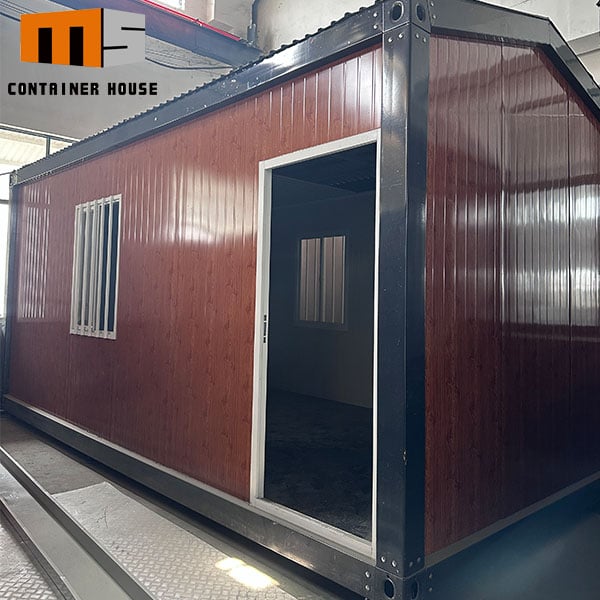
The housing industry has witnessed remarkable innovation in recent years, with the foldable house emerging as a revolutionary solution for affordable, sustainable, and rapidly deployable accommodation. These innovative structures combine cutting-edge engineering with practical design principles to deliver housing solutions that can be transported, assembled, and disassembled with unprecedented ease. As we advance into 2026, the foldable house market continues to expand, offering diverse models that cater to various residential, commercial, and emergency housing needs.
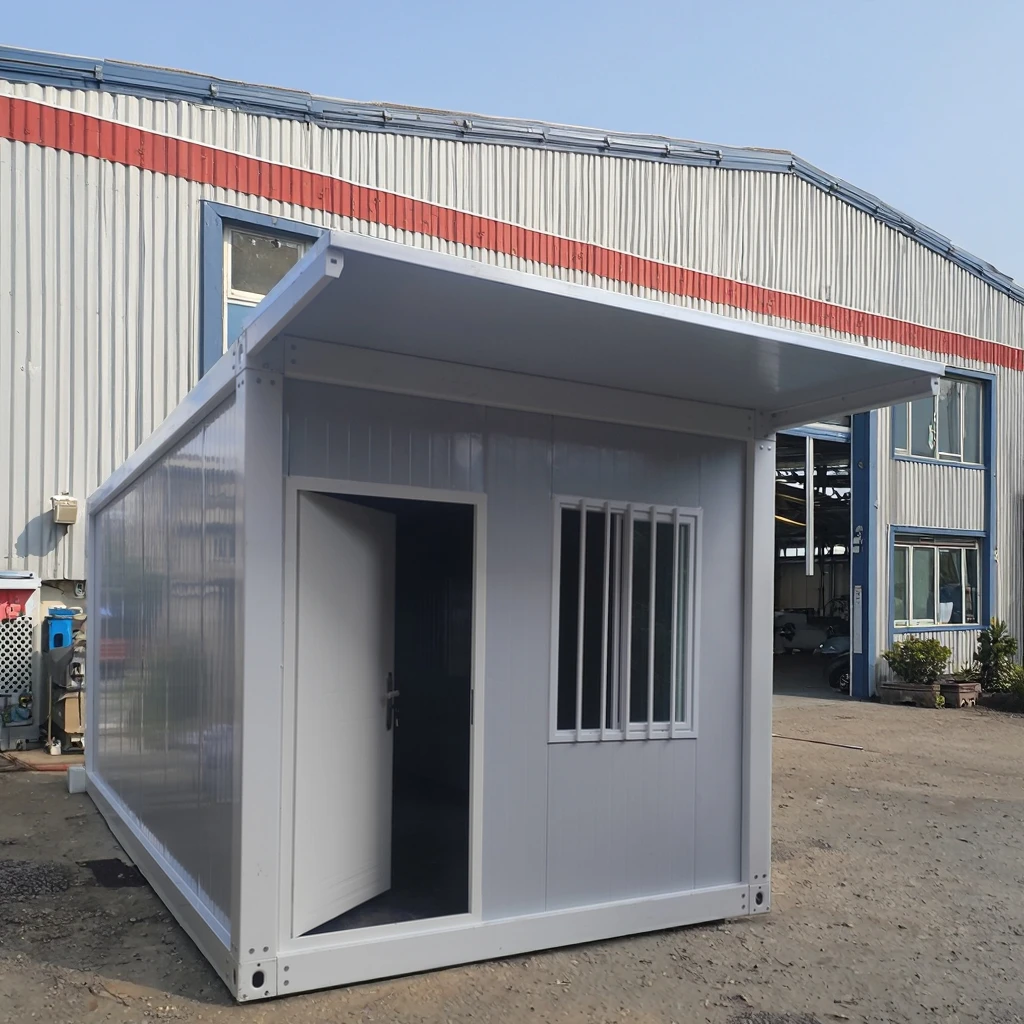
Modern foldable house designs have evolved significantly from their initial concepts, incorporating advanced materials, improved structural integrity, and enhanced weather resistance. These structures represent a paradigm shift in construction methodology, offering solutions for temporary worker accommodation, disaster relief housing, remote area developments, and even permanent residential applications. The versatility of foldable house technology enables rapid deployment in challenging environments where traditional construction methods would be impractical or cost-prohibitive.
The growing demand for sustainable construction practices has further accelerated the adoption of foldable house solutions across various sectors. Environmental consciousness, combined with the need for cost-effective housing alternatives, has positioned these innovative structures as viable options for developers, government agencies, and private individuals seeking efficient accommodation solutions. Understanding the different models available in the market becomes crucial for making informed decisions about which foldable house design best meets specific requirements and budget considerations.
Evolution and Technology Behind Modern Foldable Houses
Structural Engineering Innovations
Contemporary foldable house designs incorporate sophisticated engineering principles that ensure structural stability while maintaining the flexibility required for easy assembly and disassembly. Advanced materials such as high-strength steel frames, composite panels, and weather-resistant coatings contribute to the durability and longevity of these structures. The integration of precision manufacturing techniques ensures consistent quality and dimensional accuracy across all foldable house components, facilitating seamless assembly processes regardless of the installation location.
The development of modular connection systems represents a significant breakthrough in foldable house technology, enabling secure joints that can withstand various environmental stresses while remaining easily reversible. These connection mechanisms utilize specially designed hardware that eliminates the need for welding or permanent modifications during assembly. Modern foldable house designs also incorporate advanced insulation systems and vapor barriers that provide excellent thermal performance and moisture control, ensuring comfortable indoor environments across diverse climate conditions.
Material Science Advancements
Material selection plays a crucial role in determining the performance characteristics of any foldable house system. Contemporary models utilize lightweight yet robust materials that optimize the balance between structural integrity and transportability. Galvanized steel frames provide exceptional corrosion resistance and load-bearing capacity, while advanced composite wall panels offer superior insulation properties and weather protection. These materials undergo rigorous testing to ensure compliance with building codes and safety standards applicable to temporary and permanent structures.
The incorporation of eco-friendly materials has become increasingly important in foldable house manufacturing, with many producers adopting recycled content and sustainable production processes. Advanced coating technologies protect exterior surfaces from UV degradation, corrosion, and impact damage, extending the service life of foldable house systems significantly. Interior finishes utilize low-emission materials that contribute to healthy indoor air quality, making these structures suitable for extended occupancy periods.
Top-Rated Container-Based Foldable House Models
Standard Shipping Container Conversions
Container-based foldable house designs leverage existing shipping infrastructure to create versatile accommodation solutions that can be transported globally using standard logistics networks. These models typically feature reinforced container shells that have been modified to include expandable sections, creating additional interior space when deployed. The standardized dimensions of shipping containers ensure compatibility with existing transportation and handling equipment, reducing deployment costs and complexity significantly.
Modern container foldable house conversions incorporate sophisticated mechanical systems that enable rapid expansion and contraction of living spaces. Hydraulic or manual expansion mechanisms allow walls, roofs, or entire room sections to extend beyond the original container footprint, sometimes doubling or tripling the available floor area. These designs maintain structural integrity throughout the expansion process while providing weather-tight seals that protect interior spaces from environmental elements during both transport and deployment phases.
Multi-Container Integrated Systems
Advanced foldable house systems utilize multiple container units that can be connected to create larger residential or commercial facilities. These integrated designs offer significant flexibility in layout configuration, allowing users to adapt the structure to specific site conditions and functional requirements. Connection systems between containers maintain structural continuity while enabling independent transport and positioning of individual modules before final assembly.
The scalability of multi-container foldable house systems makes them particularly attractive for large-scale housing projects, worker camps, and emergency shelter deployments. Standardized connection interfaces ensure that containers from different production batches can be combined effectively, providing long-term expansion capabilities as needs evolve. Advanced designs incorporate shared utility systems that distribute electrical, plumbing, and HVAC services efficiently across multiple connected units, optimizing operational efficiency and reducing installation complexity.
Prefabricated Panel Foldable House Designs
Lightweight Panel Construction
Panel-based foldable house systems utilize precision-manufactured components that can be flat-packed for efficient transportation and rapidly assembled on-site using simple tools and procedures. These designs emphasize weight reduction and ease of handling, enabling smaller crews to complete assembly processes without heavy equipment requirements. The modular nature of panel systems allows for extensive customization in terms of building size, layout, and architectural features while maintaining the core benefits of foldable house technology.
Contemporary panel foldable house designs incorporate advanced joint systems that create strong, weather-tight connections between components without requiring specialized construction skills or equipment. Pre-finished panel surfaces eliminate the need for on-site painting or coating applications, reducing installation time and ensuring consistent appearance quality. Integrated hardware systems simplify the assembly process while providing reliable structural connections that meet or exceed conventional building standards for wind loads, seismic forces, and other environmental stresses.
Insulated Composite Panel Systems
High-performance composite panels represent the latest evolution in foldable house construction technology, combining structural elements, insulation, and finish materials into single integrated components. These panels utilize advanced core materials such as polyurethane foam or mineral fiber insulation sandwiched between high-strength facing materials to achieve exceptional thermal performance and structural strength. The resulting foldable house structures provide year-round comfort with minimal energy consumption for heating and cooling systems.
Manufacturing precision in composite panel production ensures dimensional accuracy and consistent performance characteristics across all foldable house components. Advanced production techniques create panels with integrated features such as electrical conduits, mounting points for fixtures, and pre-cut openings for doors and windows. This level of integration reduces field installation time while improving overall quality control and system reliability throughout the service life of the foldable house structure.
Specialty Applications and Custom Foldable House Solutions
Emergency and Disaster Relief Housing
Emergency response applications have driven significant innovation in foldable house design, resulting in systems optimized for rapid deployment in disaster-affected areas. These specialized models prioritize ease of transport, speed of assembly, and resilience to harsh environmental conditions encountered in emergency situations. Advanced logistics planning ensures that complete foldable house systems can be airlifted to remote locations and assembled by relief personnel with minimal training and basic tools.
Disaster relief foldable house models incorporate features specifically designed for temporary occupancy by displaced populations, including enhanced privacy provisions, integrated storage solutions, and provisions for basic utility connections. Durable materials and construction methods ensure these structures can withstand extended exposure to severe weather conditions while providing safe, secure accommodation for families and individuals affected by natural disasters or humanitarian crises. Standardized designs facilitate mass production and stockpiling for rapid response deployment when emergencies occur.
Remote Workforce Accommodation
Industrial and resource extraction operations in remote locations have embraced foldable house technology as an efficient solution for worker accommodation challenges. These specialized models emphasize comfort, durability, and functionality to support extended occupancy periods while maintaining the flexibility to relocate or expand facilities as operational requirements change. Enhanced insulation, climate control systems, and sound attenuation features create comfortable living environments that help attract and retain skilled workers in challenging locations.
Remote site foldable house installations often incorporate advanced utility systems including water treatment, waste management, and power generation capabilities to operate independently of existing infrastructure. Modular utility connections enable efficient servicing of multiple foldable house units while maintaining the flexibility to reconfigure layouts or relocate facilities as project requirements evolve. Robust construction methods ensure these structures can withstand extreme weather conditions and intensive use throughout extended deployment periods.
Performance Evaluation and Comparison Criteria
Structural Integrity and Safety Standards
Evaluating foldable house models requires comprehensive assessment of structural performance under various loading conditions and environmental exposures. Modern designs undergo extensive testing to verify compliance with applicable building codes and safety standards, including wind resistance, seismic performance, and fire safety characteristics. Independent certification programs provide objective validation of structural adequacy and help users select appropriate foldable house models for specific applications and geographic locations.
Safety considerations extend beyond basic structural requirements to include electrical systems, emergency egress provisions, and indoor air quality factors that affect occupant health and safety. Quality foldable house manufacturers implement comprehensive quality assurance programs that verify compliance with safety standards throughout the production process. Regular inspection and maintenance protocols help ensure continued safe operation throughout the service life of foldable house installations, protecting both occupants and property investments.
Energy Efficiency and Environmental Performance
Energy performance has become a critical evaluation criterion for foldable house systems, with modern designs incorporating advanced insulation, high-performance windows, and efficient mechanical systems to minimize operational energy consumption. Thermal modeling and testing verify the effectiveness of insulation systems and identify potential thermal bridge issues that could compromise energy efficiency. Advanced foldable house models achieve energy performance levels comparable to or exceeding conventional construction methods while maintaining the benefits of transportability and rapid assembly.
Environmental impact assessment encompasses material selection, manufacturing processes, transportation efficiency, and end-of-life disposal or recycling considerations. Sustainable foldable house designs prioritize renewable materials, low-impact production methods, and design for disassembly to minimize environmental footprint throughout the complete lifecycle. Life cycle assessment tools help quantify environmental benefits and identify opportunities for further improvements in foldable house sustainability performance.
Cost Analysis and Economic Considerations
Initial Investment and Setup Costs
The economic advantages of foldable house systems become apparent when considering the total cost of ownership compared to conventional construction alternatives. Initial purchase costs typically represent only a portion of the total investment, with transportation, site preparation, assembly, and utility connection expenses contributing to overall project costs. Standardized designs and efficient manufacturing processes help control initial costs while ensuring consistent quality and performance across multiple foldable house installations.
Cost comparison analysis must account for the time value of money and the speed of deployment advantages offered by foldable house systems. Reduced construction timelines translate to faster occupancy and earlier return on investment for commercial applications. The ability to relocate or reconfigure foldable house installations provides additional economic value through asset reuse and adaptation to changing requirements over time, extending the useful life and return on investment beyond what is typically possible with conventional construction.
Operational and Maintenance Economics
Long-term operational costs play a significant role in the economic evaluation of foldable house systems, with energy efficiency, maintenance requirements, and durability characteristics affecting total cost of ownership. High-quality materials and construction methods reduce maintenance needs while extending service life, improving the economic performance of foldable house investments. Predictive maintenance programs and standardized replacement parts help control ongoing operational expenses while ensuring reliable performance throughout the system lifecycle.
The flexibility inherent in foldable house systems provides economic advantages through adaptation to changing use patterns and requirements without major capital investments. The ability to expand, reconfigure, or relocate facilities as needs evolve provides significant economic value compared to conventional construction alternatives that lack this flexibility. Resale value considerations also favor high-quality foldable house systems that maintain their condition and functionality over time, preserving asset value for future disposition or reuse opportunities.
Installation and Assembly Best Practices
Site Preparation Requirements
Proper site preparation forms the foundation for successful foldable house installation, ensuring structural stability, proper drainage, and long-term performance of the complete system. Site evaluation should assess soil conditions, drainage patterns, access routes for delivery vehicles, and utility availability to identify potential challenges before installation begins. Level, well-compacted surfaces provide optimal support for foldable house foundations while facilitating accurate alignment and assembly of structural components.
Foundation systems for foldable house installations range from simple concrete pads to more sophisticated pier and beam systems depending on site conditions and structural requirements. Proper foundation design accounts for local soil conditions, frost depth requirements, and anticipated loading conditions to ensure stable support throughout the service life of the installation. Utility rough-in work should be coordinated with foundation installation to minimize disruption and ensure proper connections for electrical, plumbing, and communication systems.
Assembly Process Optimization
Efficient assembly processes maximize the speed and cost advantages of foldable house systems while ensuring quality installation and long-term performance. Detailed assembly instructions and pre-delivery training help installation crews understand proper procedures and identify potential issues before they affect installation quality. Standardized tools and equipment requirements enable contractors to prepare adequately for installation projects while minimizing delays and cost overruns during the assembly process.
Quality control procedures during assembly help identify and correct installation issues before they compromise system performance or safety. Systematic inspection checkpoints verify proper component alignment, connection integrity, and weatherization effectiveness at each stage of the assembly process. Documentation of installation procedures and inspection results provides valuable information for future maintenance activities while demonstrating compliance with applicable codes and standards for building officials and insurance providers.
Future Trends and Market Developments
Technological Integration and Smart Systems
The integration of smart technology and building automation systems represents an emerging trend in foldable house development, with manufacturers incorporating sensors, controls, and connectivity features that enhance occupant comfort and operational efficiency. Internet of Things (IoT) capabilities enable remote monitoring and control of mechanical systems, security features, and energy consumption patterns. These technological enhancements provide valuable data for optimizing system performance while enabling predictive maintenance and troubleshooting capabilities that reduce operational disruption and costs.
Advanced manufacturing technologies including robotics, 3D printing, and digital fabrication techniques are beginning to influence foldable house production processes, potentially reducing costs while improving quality consistency and customization capabilities. Computer-aided design and virtual reality tools enable customers to visualize and customize foldable house layouts before production begins, improving satisfaction and reducing change orders. These technological advances promise to further improve the value proposition of foldable house systems while expanding their applicability to new market segments and applications.
Sustainability and Circular Economy Initiatives
Growing environmental awareness and regulatory pressure are driving innovation in sustainable foldable house design and manufacturing processes. Circular economy principles emphasize design for disassembly, material recovery, and reuse to minimize waste and environmental impact throughout the product lifecycle. Advanced recycling technologies enable recovery of valuable materials from end-of-life foldable house components, creating closed-loop material flows that reduce dependence on virgin resources while minimizing waste disposal requirements.
Carbon footprint reduction initiatives are influencing material selection, manufacturing processes, and transportation logistics for foldable house systems. Life cycle assessment tools help identify opportunities for emissions reduction while maintaining performance and cost competitiveness. Renewable energy integration and net-zero energy designs represent emerging trends that position foldable house systems as leaders in sustainable construction practices while providing long-term operational cost advantages through reduced energy consumption and utility independence.
FAQ
How long does it typically take to assemble a foldable house
Assembly time for a foldable house varies depending on the model size, complexity, and crew experience, but most standard residential units can be assembled by a small crew in 4-8 hours. Larger commercial or multi-unit installations may require 1-3 days for complete assembly including utility connections and final inspections. Pre-fabricated components and standardized assembly procedures significantly reduce installation time compared to conventional construction methods, enabling rapid deployment for emergency situations or time-sensitive projects.
What building codes and permits are required for foldable house installations
Building code requirements for foldable house installations vary by jurisdiction and intended use, with many areas treating these structures similarly to conventional buildings when used for permanent occupancy. Temporary installations may require different permits and have less stringent requirements, particularly for disaster relief or short-term worker housing applications. Consultation with local building officials early in the planning process helps identify applicable requirements and ensure compliance throughout the installation and occupancy phases.
Can foldable house systems be expanded or modified after initial installation
Most modern foldable house systems are designed with expansion capabilities that allow additional modules or components to be added as needs change over time. Modular connection systems and standardized interfaces enable seamless integration of new components with existing installations. Interior modifications such as partition walls, fixtures, and finishes can typically be altered relatively easily, while structural modifications may require engineering analysis to ensure continued safety and performance compliance.
What is the expected lifespan of a quality foldable house system
High-quality foldable house systems constructed with durable materials and proper installation typically provide 15-25 years of service life with appropriate maintenance, comparable to many conventional construction methods. The actual lifespan depends on factors including material quality, environmental exposure, maintenance practices, and usage intensity. Regular inspection and preventive maintenance help maximize service life while preserving system performance and safety throughout the operational period, with many components being replaceable to extend overall system longevity.
Table of Contents
- Evolution and Technology Behind Modern Foldable Houses
- Top-Rated Container-Based Foldable House Models
- Prefabricated Panel Foldable House Designs
- Specialty Applications and Custom Foldable House Solutions
- Performance Evaluation and Comparison Criteria
- Cost Analysis and Economic Considerations
- Installation and Assembly Best Practices
- Future Trends and Market Developments
- FAQ