
 EN
EN
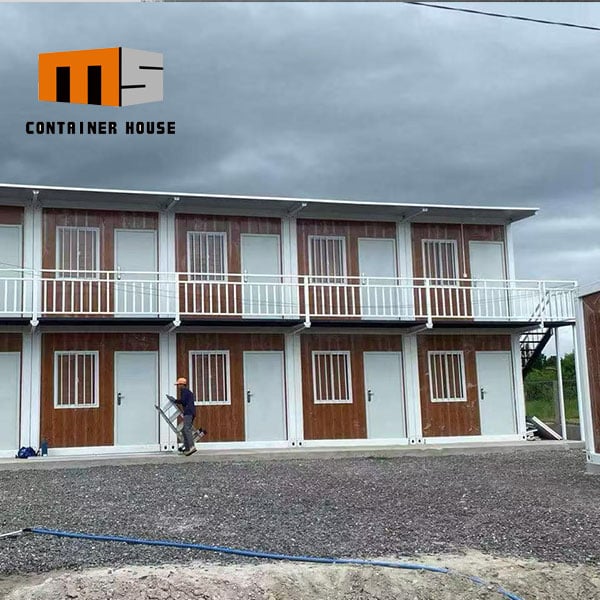
The concept of sustainable living has revolutionized modern architecture, with innovative housing solutions leading the charge toward environmental consciousness. Among these groundbreaking approaches, the container house has emerged as a remarkable fusion of eco-friendly design and contemporary luxury. These structures transform industrial shipping containers into sophisticated living spaces that challenge traditional construction methods while delivering exceptional comfort and style. As more homeowners seek alternatives to conventional building practices, container house designs offer an exciting pathway to sustainable living without compromising on aesthetics or functionality.
Architectural Innovation in Container Housing
Modern Design Principles for Container Homes
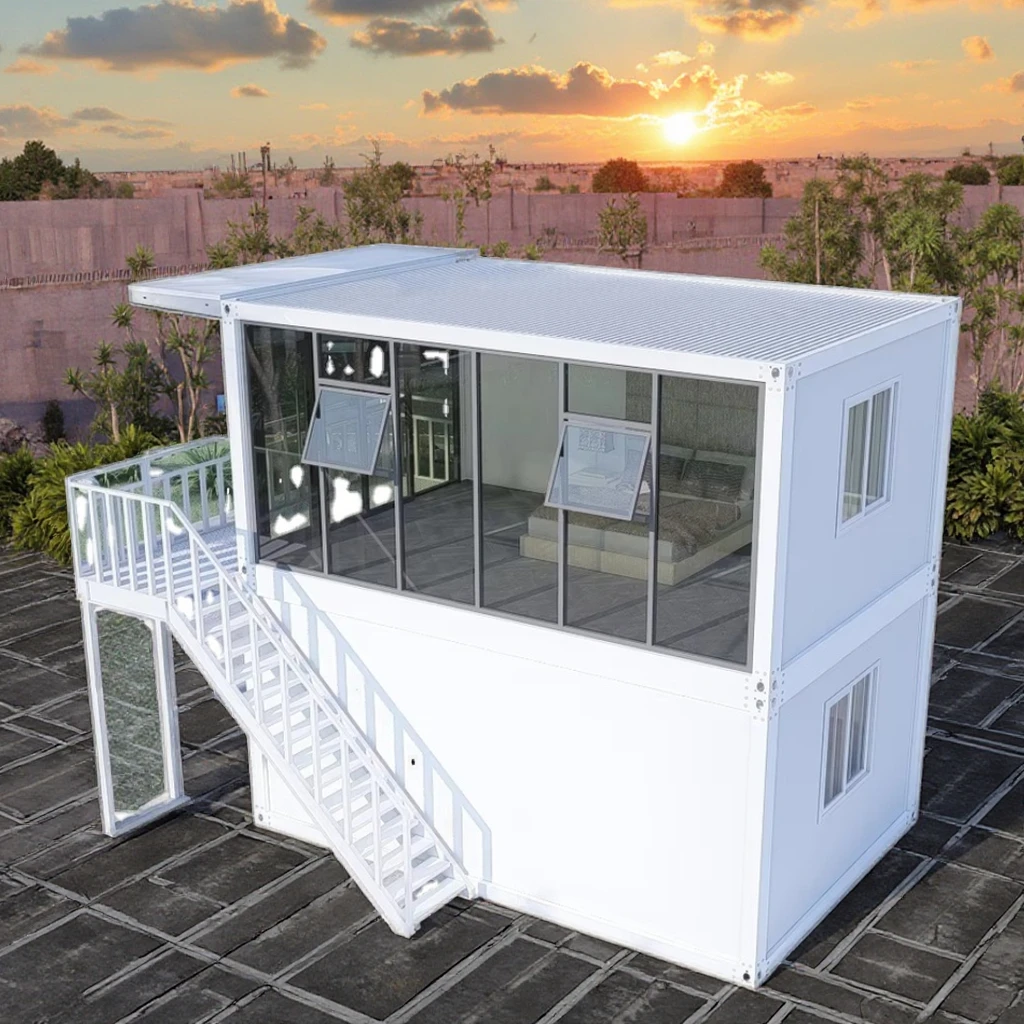
Contemporary container house architecture embraces minimalist design principles while maximizing spatial efficiency. These structures utilize clean lines, large windows, and open floor plans to create airy, sophisticated living environments. The industrial heritage of shipping containers provides a unique aesthetic foundation that architects enhance through strategic modifications and premium finishes. Modern container homes often feature floor-to-ceiling windows, skylights, and sliding glass doors that flood interiors with natural light while maintaining energy efficiency.
The structural integrity of steel containers allows for creative architectural expressions, including cantilevers, multi-level designs, and expansive overhangs. Professional designers leverage these capabilities to create stunning visual compositions that rival traditional luxury homes. Strategic placement of openings and the integration of outdoor living spaces further enhance the connection between interior and exterior environments, creating seamless transitions that define modern sustainable living.
Luxury Amenities and High-End Finishes
Today's luxury container homes incorporate premium materials and sophisticated amenities that rival conventional high-end residences. Custom millwork, hardwood flooring, and designer fixtures transform industrial shells into elegant living spaces. High-performance insulation systems ensure optimal thermal comfort while advanced HVAC systems provide precise climate control throughout the year. These homes often feature gourmet kitchens with professional-grade appliances, spa-like bathrooms with luxury fixtures, and smart home technology integration.
The integration of renewable energy systems, including solar panels and battery storage, represents a cornerstone of luxury container house design. Advanced water management systems, including rainwater harvesting and greywater recycling, further enhance the sustainability profile while reducing operational costs. These technological integrations demonstrate how luxury and environmental responsibility can coexist harmoniously in modern residential design.
Sustainable Building Practices and Environmental Benefits
Eco-Friendly Construction Methods
The container house movement represents a paradigm shift toward sustainable construction practices that minimize environmental impact. By repurposing existing steel structures, these homes significantly reduce the demand for new building materials and construction waste. The prefabricated nature of container construction accelerates project timelines while reducing on-site disturbance and energy consumption during the building process. This approach aligns perfectly with circular economy principles that prioritize resource reuse and waste reduction.
Advanced insulation techniques and energy-efficient building envelopes ensure that container homes meet or exceed modern energy performance standards. The inherent durability of steel construction provides exceptional longevity, reducing the need for frequent renovations or replacements. These factors combine to create buildings with significantly lower lifetime environmental footprints compared to traditional construction methods, making container homes an attractive option for environmentally conscious homeowners.
Energy Efficiency and Resource Conservation
Modern container house designs prioritize energy efficiency through strategic orientation, advanced insulation systems, and high-performance windows. These homes often achieve net-zero energy consumption through the integration of renewable energy systems and energy-efficient appliances. Smart building technologies optimize energy usage by automatically adjusting lighting, heating, and cooling systems based on occupancy patterns and environmental conditions.
Water conservation features, including low-flow fixtures, drought-resistant landscaping, and advanced irrigation systems, further enhance the sustainability profile of container homes. The compact nature of these structures inherently promotes resource efficiency, requiring less energy for heating and cooling compared to larger traditional homes. This combination of design intelligence and technological integration creates living spaces that minimize environmental impact while maximizing comfort and functionality.
Design Flexibility and Customization Options
Modular Expansion and Configuration
The modular nature of container house construction provides exceptional flexibility for homeowners seeking adaptable living solutions. Individual containers can be combined in numerous configurations to create customized floor plans that accommodate specific lifestyle requirements and site constraints. Multi-container designs enable the creation of expansive living areas, private bedroom suites, and dedicated workspace environments while maintaining the inherent efficiency of modular construction.
Future expansion possibilities remain virtually unlimited, as additional containers can be integrated into existing structures as family needs evolve. This adaptability represents a significant advantage over traditional construction methods, which often require costly renovations or additions to accommodate changing requirements. The standardized dimensions of shipping containers facilitate seamless integration of new modules, ensuring architectural consistency while enabling functional growth.
Interior Design and Space Optimization
Interior design strategies for container homes focus on maximizing spatial efficiency while creating comfortable, luxurious living environments. Multi-functional furniture, built-in storage solutions, and clever space-saving techniques transform compact areas into highly functional rooms. Vertical design elements, including loft spaces and mezzanine levels, effectively double the usable floor area within standard container dimensions.
Professional interior designers specializing in container house projects employ sophisticated lighting design, color schemes, and material selections to create visually expansive interiors. The industrial character of container construction provides an excellent foundation for contemporary design themes, including modern minimalism, industrial chic, and sustainable luxury aesthetics. Strategic placement of mirrors, glass partitions, and transparent elements further enhance the perception of space while maintaining functional separation between living areas.
Cost Considerations and Investment Value
Construction Costs and Budget Planning
Container house construction typically offers significant cost advantages compared to traditional building methods, particularly for projects emphasizing sustainable design and modern amenities. The prefabricated nature of container construction reduces labor costs and construction timeframes, resulting in faster project completion and reduced carrying costs during development. However, luxury finishes and advanced building systems can increase total project costs, making careful budget planning essential for successful container house projects.
Site preparation costs vary significantly based on location and accessibility, with remote or challenging sites potentially requiring substantial infrastructure investments. Professional design services, permitting costs, and utility connections represent additional budget considerations that must be factored into total project costs. Despite these variables, container house construction often delivers superior value compared to conventional luxury home construction when considering speed, sustainability, and design flexibility.
Long-Term Value and Market Appreciation
The investment potential of container homes continues to grow as sustainable living becomes increasingly mainstream and desirable among homebuyers. These properties often appreciate rapidly in markets where sustainable housing options remain limited, providing excellent returns for early adopters of container house technology. The unique architectural character and environmental benefits of container homes create strong market differentiation that attracts environmentally conscious buyers willing to pay premium prices for sustainable luxury.
Low maintenance requirements and exceptional durability contribute to favorable long-term ownership costs, enhancing the overall investment proposition of container house ownership. The modular nature of these structures also provides opportunities for rental income generation through temporary expansion or separate unit creation, further enhancing investment potential for property owners seeking diversified income streams.
Regulatory Considerations and Building Codes
Zoning and Permitting Requirements
Navigating zoning regulations and building code requirements represents a critical aspect of successful container house development. Many jurisdictions have updated their codes to accommodate alternative construction methods, including container house projects, though requirements vary significantly between locations. Professional consultation with local building officials early in the design process helps identify potential regulatory challenges and ensures project compliance with applicable standards.
Setback requirements, height restrictions, and architectural review processes may impact container house design options in certain communities. Some areas have embraced container house construction through specific zoning allowances or alternative development programs, while others maintain restrictive policies that limit implementation. Understanding these regulatory landscapes before beginning design development prevents costly delays and ensures successful project completion.
Safety Standards and Building Performance
Modern container house construction must meet stringent safety and performance standards equivalent to traditional residential construction. Structural modifications, electrical systems, plumbing installations, and fire safety measures require professional design and installation to ensure code compliance and occupant safety. Advanced building envelope performance, including insulation, vapor barriers, and weatherproofing, ensures long-term durability and comfort in all climate conditions.
Professional engineering services verify structural integrity and ensure that modified containers maintain their load-bearing capabilities while accommodating architectural modifications. These technical requirements necessitate collaboration with experienced professionals familiar with container house construction methods and applicable building codes. Proper documentation and inspection procedures throughout the construction process ensure final approval and occupancy permits for completed projects.
FAQ
What makes a container house different from traditional modular homes
Container houses utilize repurposed shipping containers as the primary structural framework, offering inherent strength and durability that exceeds many traditional modular construction methods. The steel construction provides exceptional resistance to weather, pests, and structural degradation while enabling unique architectural possibilities. Unlike conventional modular homes, container houses embrace industrial aesthetics and sustainable building principles through material reuse, creating distinctive living environments that reflect contemporary design values.
How long does it take to build a luxury container house
Construction timelines for luxury container houses typically range from 3 to 6 months depending on design complexity, site conditions, and finish specifications. The prefabricated nature of container construction significantly accelerates the building process compared to traditional construction methods, which often require 8 to 12 months for comparable luxury homes. Site preparation and utility connections may extend timelines in challenging locations, while standard residential sites with existing infrastructure facilitate faster completion schedules.
Are container houses suitable for all climate conditions
Modern container house designs incorporate advanced insulation and climate control systems that enable comfortable living in virtually all climate conditions. Proper insulation installation, vapor barrier systems, and high-performance windows ensure thermal comfort in both hot and cold environments. Professional design services address specific climate challenges through appropriate material selections, HVAC system sizing, and building envelope performance optimization to ensure year-round comfort and energy efficiency.
What financing options are available for container house purchases
Financing options for container houses have expanded significantly as these structures gain mainstream acceptance among lenders and real estate professionals. Many conventional mortgage providers now offer standard residential loans for container houses that meet local building codes and appraisal standards. Alternative financing options include construction-to-permanent loans, personal loans, and specialized green building financing programs that recognize the environmental benefits of sustainable container house construction.