
 EN
EN
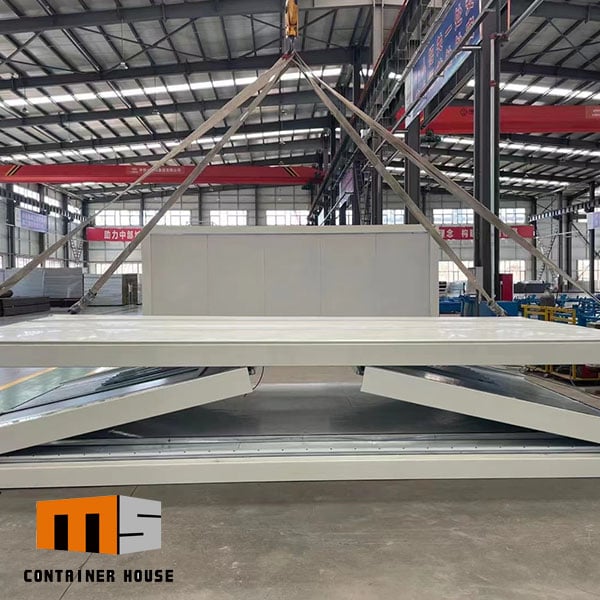
תעשיית הבנייה חשה להחלפת מהפכנית לכיוונים יעילות וקיימות יותר של בנייה, כאשר הבית המודולרי עולה כפתרון מוביל לצרכים המודרניים של דיור. מבנים חדשניים אלו מייצגים שינוי פרדיגמטי בגישות הבנייה המסורתית, ומציעים לבעלי בתים גמישות בלתי נתפסת, יעילות כלכלית ויתרונות סביבתיים. בית מודולרי מורכב מחלקים מוקדמים שמיוצרות בסביבת מפעל מבוקרת לפני שהן נשלחות ומורכבות באתר, ויוצרים שילוב חלק של אמנות בנייה באיכות גבוהה ועיצוב עתידי. ככל שדרישות הדיור משתנות והמודעות הסביבתית גדלה, חשוב להבין את היתרונות הרבים של בניית בתי מודולריים לצורך קבלת החלטות מושכלות.
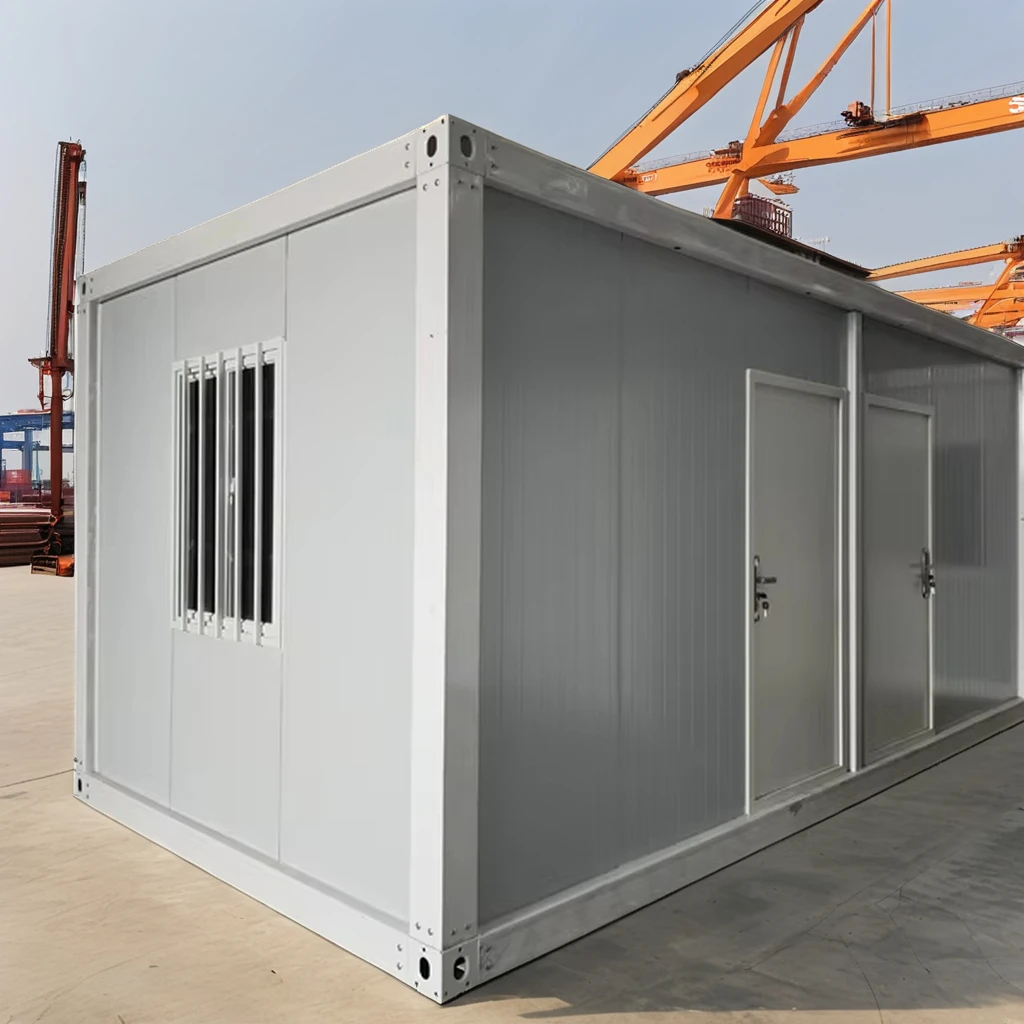
יעילות עלות והטבות פיננסיות
הקטנת עלויות בנייה
הטבות הכלכליות של בחירת בית מודולרי משתרעות הרבה מעבר למחיר הקנייה הראשוני, וכוללות מספר רכיבי חיסכון בעלויות לאורך תהליך הבנייה. ייצור המבוסס על מפעל מאלץ את עיכובים הנובעים מהתנאים האטמוספריים ומצריך פחות כוח אדם באופן משמעותי בהשוואה לבתים מסורתיים שנבנו באתר. בזבוז החומרים קטן באופן משמעותי בזכות תהליכי ייצור מדויקים וכוח הקנייה המונע של יצרני בתים מודולריים. חיסכונות אלו עוברים ישירות לבעלי הבית, מה שהופך את הבנייה המודולרית לאפשרות אטרקטיבית לקונים שמתמקדים בתקציב ומחפשים פתרונות דיור באיכות.
בנוסף, שיטות הייצור הסטנדרטיות המשמשות בייצור בתים מודולריים יוצרות תופעת קנה-מידה שמביאה להפחתת עלויות הפרויקט הכוללת. תקופות המימון לבנייה הן קצרות יותר, מה שמפחית את הוצאות הריבית והעלויות הנשאות לקונים. לוח הזמנים הניתן לחיזוי ומבנה המחירים הקבוע של פרויקטים לבניית בתים מודולריים מבטלים את רוב עליות העלויות הנפוצות בבנייה מסורתית, ומבטיחים ודאות כספית לאורך כל תהליך הבנייה.
ערך השקעה לטווח ארוך
עיצובי בתים מודולריים מודרניים כוללים מערכות חסכוניות באנרגיה וחומרים באיכות גבוהה שתרומתם היא הפחתת עלויות התשתית ועלויות התיקון לאורך חיי המבנה. בתים אלו לעתים קרובות עולים על סטנדרטים הבנייה המסורתיים ביחס לבידוד, איטום אוויר וביצועי אנרגיה כלליים. הסביבה המאובטחת לייצור מבטיחה בקרת איכות עקבית, מה שמוביל למספר קטן יותר של פגמים ותביעות אחריות בהשוואה לבנייה באתר.
ערכים נכסים של התקנות מודולריות מעוצבות היטב ממשיכים לעלות בקצב דומה לזה של בתים מסורתיים, במיוחד בשווקים שבהם מחירים איכות וקיימות. העמידות והאורך-טווח של בתים מודולריים מבוצרים כראוי הופכים אותם להשקעות מצוינות לטווח הארוך, ורבים מהמבנים שומרים על שלמותם והמראה שלהם במשך עשורים עם דרישות תחזוקה מינימליות.
מהירות וכفاءת בנייה
תקופת בנייה מאיצה
אחת היתרונות המרשימים ביותר בבניית בתים מודולריים היא קיצור תקופת הבנייה באופן דרמטי בהשוואה לשיטות הבנייה המסורתיות. בעוד שבתים מסורתיים עלולים לדרוש בין שישה לחודש שנים לסיום, בית מודולרי יכול להיות מיוצר ומורכב בתוך שבריר של הזמן הזה. גישת עיבוד מקבילי מאפשרת שהכנת האתר תתרחש בו זמנית עם ייצור המפעל, מה שמגביר את היעילות ומצמצם את משך הפרויקט הכולל.
העדר תלות במזג האוויר מהווה גורם חשוב נוסף בתהליך המאיץ של בניית בתים מודולריים. סביבת הפקה במעבדה מגינה על חומרים ועובדים מפני גשם, שלג וטמפרטורות קיצוניות שמהוות סיבה נפוצה לעיכוב פרויקטים בנייה מסורתיים. הסביבה המנוהלת הזו מבטיחה התקדמות עקבייה ללא קשר לתנאי העונה, מה שמאפשר למתן תכניות ייצור והתקנה לאורך כל השנה, דבר המועיל הן לבוני הבתים והן לבעלי הבתים.
תהליך הרכבה מאוזן
תהליך ההרכבה של בית מודולרי מתבצע לפי סדר מדויק ומאושר היטב, אשר ממזער את ההפרעה לאזור הסמוך ומפחית את זמן הבנייה באתר לימים ולא לחודשים. צוותי התקנה מקצועיים עובדים עם חיבורים סטנדרטיים ומערכות שהוכנו מראש, תוך ודאות בהישרוי הנכון ובשלמות המבנית. תקופת הבנייה הקצרה באתר פירושה פחות רעש, אבק והפרעות תנועתיות לשכנאים ולקהילות הסמוכות.
אמצעי בקרת האיכות המופעלים בשלב ההרכבה מבטיחים שכל בית מודולרי עומד או עולה על תקנות הבנייה המקומיות ודרישות היצרן. תשתית, ציוד וסיומים מוכנים מראש מאלצים את רוב הקשיים הקשורים לתיאום בבנייה מסורתית, מה שמאפשר כניסה מיידית לשימוש לאחר השלמת הבחינות הסופיות והחיבורים.
-flexibility Design ואפשרויות הגאמה
גיוון אדריכלי
עיצובי בתים מודולריים עתידיים מערערים על תפיסות קדומות לגבי בנייה מוקדמת, ומציעים אפשרויות אדריכליות נרחבות שמתחרות עם שיטות הבנייה המסורתיות. יצרנים מודרניים מציעים תוכניות קומות מגוונות, סגנונות חיצוניים ותצורות פנימיות שניתן להתאים אישית כדי לענות על העדפות אסתטיות ודרישות פונקציונליות ספציפיות. מעצמות מינימליסטיות עד סגנונות אדריכליים מסורתיים – שוק הבתים המודולריים מסוגל לספק כמעט כל חזון עיצובי.
הגישה המודולרית מאפשרת שילובים יצירתיים של רכיבים סטנדרטיים ומותאמים, ומאפשרת לבעלי בתים להשיג ביטויים אדריכליים ייחודיים תוך שמירה על יעילות עלות. תוכנות תכנון מתקדמות ויכולות ייצור תומכות בגאומטריות מורכבות, בניינים מרובה קומות ומרחבים חיצוניים משולבים שמשפרים את היכולת לחיות במבנה הסופי ואת המראה החזותי שלו.
אפשרויות הרחבה עתידיות
הגמישות המובנית בבניית בתים מודולריים משתרעת גם לאפשרויות הרחבה ושינוי עתידיים, ומספקת לבעלי בתים פתרונות דיור גמישים שיכולים להתפתח בהתאם לצרכים המשתנים. אפשר להוסיף מודולים נוספים באופן חלק למבנים הקיימים, מה שמאפשר הוספת חדרים, הרחבת מרחבי המגורים או יצירת אזורים מיוחדים כגון משרדים או סטודיוים ביתיים. היכולת להרחיב את המבנה הזו הופכת את הבית המודולרי לבחירה אידיאלית למשפחות צומחות או לצרכים משתנים באורח חיים.
אפשרויות 재תאום זמינות במערכות מסוימות של בתים מודולריים מאפשרות שינויים בתוכנית הפנים ללא שינויים מבניים גדולים. גמישות זו מבטיחה שההשקעה בבניין בית מודולרי ממשיך לספק ערך ככל שצורכי הדיירים משתנים עם הזמן, וממקסם את התועלת ארוכת הטווח ואת שביעות הרצון מבחירת הדיור.
יתרונות של עמידות סביבתית ובנייה ירוקה
השפעה סביבתית מופחתת
היתרונות הסביבתיים של בנייה של בתים מודולריים משתרעים לאורך מחזור החיים המלא של הבניין, מהשגת החומרים ועד להיפתרות או המחזור בסוף חייו. שיטות ייצור במפעל יוצרות כמות משמעותית נמוכה יותר של פסולת בנייה בהשוואה לשיטות בנייה מסורתיות, ורבות מהיצרניות משיגות שיעורי הפחתת פסולת העולים על 90%. שימוש יעיל בחומרים, חיתוך מדויק ותוכניות מחזור תורמים לפרופיל הסostenביליות הכולל של בניית בתים מודולריים.
יעילות התחבורה מייצגת יתרון סביבתי נוסף בגישה לבית מודולרי, כאשר שיטות האספקה המאופטמות מפחיתות את צריכת הדלק והפליטות הקשורות להובלת החומרים. השילוח המאוחד של המודולים המוגמרים מחליף את הנסיעות הרבות הנדרשות להובלת חומרי בנייה וציוד מסורתיים, ובכך ממזער את הרגל הפחמנית של תהליך הבנייה.
שילוב של יעילות אנרגטית
עיצובי בתים מודולריים מודרניים כוללים תכונות מתקדמות של יעילות אנרגטית שברוב המקרים מעוותות את הביצועים של בתים שנבנו באופן קונבנציונלי. סביבות בנייה מבוקרות במפעל מאפשרות התקנה מדויקת של חומרי בידוד, מערכות איטום אוויר וחלונות יעילים אנרגטית שממזערות חיבור תרמי ודיפוזיית אוויר. תכונות אלו תורמות להפחתת עלויות החימום והקירור תוך שמירה על רמת נוחות פנימית אופטימלית לאורך כל השנה.
השילוב של מערכות אנרגיה מתחדשת, טכנולוגיות בית חכם ומכשירי חשמל בעלי יעילות גבוהה הופך פשוט יותר בסביבת הייצור המנוהלת של ייצור בתים מודולריים. ניתן לשלב מראש חיבורים לחיצים לפלטות סולאריות, למערכות ניהול אנרגיה ולתחנות טעינה לרכב חשמלי במהלך תהליך הייצור, מה שמביא להפחתת עלויות ההתקנה והמורכבות שלהן, ותומך במטרות חיים ברציפות.
שליטה באיכות וסטנדרטים של בנייה
ייצור בתנאי מפעל
סביבת המפעל המנוהלת שבה מיוצרים רכיבי הבתים המודולריים מספקת יתרונות איכותיים משמעותיים לעומת שיטות הבנייה המסורתית שמתמודדות עם תנאי מזג האוויר והתנאים באתר. מתקנים בעלי בקרת אקלים מגנים על החומרים מפני לחות, תנודות טמפרטורה וזיהום שעלולים לפגוע בשלמות המבנית ואיכות הגימור. כלים מיוחדים, ציוד קבוע ומערכות בקרת איכות מבטיחים דיוק ממדי עקבי ודיוק בהרכבה בכל הרכיבים המיוצרים.
אומנים מוכשרים העובדים בסביבה מבוקרת של מפעל בתים מודולריים יכולים להתמקד בעבודת פירוט ללא לחצים של זמן וקשיים סביבתיים הנפוצים באתרי בנייה חיצוניים. גישה ממוקדת זו מביאה לאיכות סיום מעולה, התקנות מדויקות ותשומת לב לפרטי הפרט שמשפרת את הערך הכולל והעמידות של המבנה המוגמר.
הסכמה עם תקנות בניין
יצרני בתים מודולריים חייבים לעמוד בתקנות בנייה ובסטנדרטים זהים לאלו ששולטים בבנייה מסורתית, ולעיתים קרובות הם עולים על הדרישות המינימליות כדי להבטיח את שלמות המבנה במהלך ההובלה וההתקנה. סוכנויות בדיקה צד-שלישי מאשרות את ההתאמה לאורך תהליך הייצור, ומספקות אמון נוסף באיכות ובבטיחות. רבים מייצרני הבתים המודולריים מקבלים באופן רצוני סטנדרטים מחמירים יותר מאלו שדורשים תקנות מקומיות, מה שמשפר את מאפייני הבטיחות והביצועים של המוצרים שלהם.
תוכניות בקרת איכות מקיפות שמיושמות על ידי יצרני בתים מודולריים מהימנים כוללות בדיקת חומרים, ניתוח מבני ואמת ביצועים שמעל את רמת הפיקוח הרגילה בבניית מבנים באתר. אמצעי בקרת האיכות החמורים הללו נותנים מבנים באיכות גבוהה באופן עקבי, אשר עומדים או עולים על כל תקני הבנייה והדרישות לביצוע התחומים הרלוונטיים.
שאלות נפוצות
כמה זמן נמשך בית מודולרי בהשוואה לבנייה מסורתית
בית מודולרי המבוצר היטב יכול לשרוד זמן זהה לזה של בתים המבוססים בבנייה מסורתית, בדרך כלל 50–100 שנה ויותר, בתנאי תחזוקה מתאימה. הסביבה המבוקרת של המפעל ואמצעי בקרת האיכות החמורים מובילים לעתים קרובות לאיכות בנייה גבוהה יותר בהשוואה לחלופות הבנויות באתר. יצרני בתים מודולריים רבים מציעים אחריות השווה או טובה מאחריות הנותנים בבנייה המסורתית, מה שמבטא את ביטחונם באורך החיים ובעמידות המוצרים שלהם.
האם ניתן להתאים תכנונים של בתים מודולריים לסגנונות אדריכליים ספציפיים
כן, יצרני בתים מודולריים מודרניים מציעים אפשרויות התאמה רחבות שמתאימות כמעט לכל סגנון אדריכלי או העדפת עיצוב. מהעיצוב המודרני המינימליסטי ועד לסגנונות הקולוניאליים או האומנותיים המסורתית, הגמישות של הבניה המודולרית מאפשרת התאמה משמעותית תוך שמירה על היתרונות היעילוּתיים של ייצור במפעל. חומרים חיצוניים מותאמים, גימורים פנימיים ושינויי תצורה יכולים ליצור בתים ייחודיים שמשקפים את טעמים ודרישות היחיד.
אילו אפשרויות מימון זמינות לרכישת בתים מודולריים
לקונים של בתים מודולריים יש גישה לאותן אפשרויות מימון שזמינים לקונים של בתים מסורתיים, כולל הלוואות מסורתיות, הלוואות של הסוכנות להousing הפדרלית (FHA), הלוואות של משרד השחיטה והגנה (VA) ומימון ממושך מהבניה ועד לסיום. רבים מהמוסדות המלווים מכירים כיום באיכות ובערך של בניית בתים מודולריים מודרנית, מה שהופך את המימון לנגיש יותר מאשר בעבר. תקופת הבנייה הקצרה של בתים מודולריים יכולה למעשה לצמצם את עלויות המימון, על ידי קיצור משך ההלוואות לבנייה והוצאות הריבית הקשורות אליהן.
איך ערך המכר החוזר של בית מודולרי משתווה לערך המכר החוזר של בתים שנבנו באתר?
מבני בתים מודולריים איכותיים בדרך כלל שומרים על ערכי מכירה חוזרת דומים לאלו של בתים שנבנו באתר באותו אזור שוק, במיוחד כאשר הם מותקנים כראוי על יסודות קבועים עם גינון ושיפורים מתאימים באתר. קבלת השוק של בנייה מודולרית השתפרה משמעותית ככל שהאיכות ואפשרויות העיצוב התקדמו. מיקום, איכות הבנייה ותנאי השוק הכלליים משפיעים יותר על ערך המכירה החוזרת מאשר שיטת הבנייה עצמה.