
 EN
EN
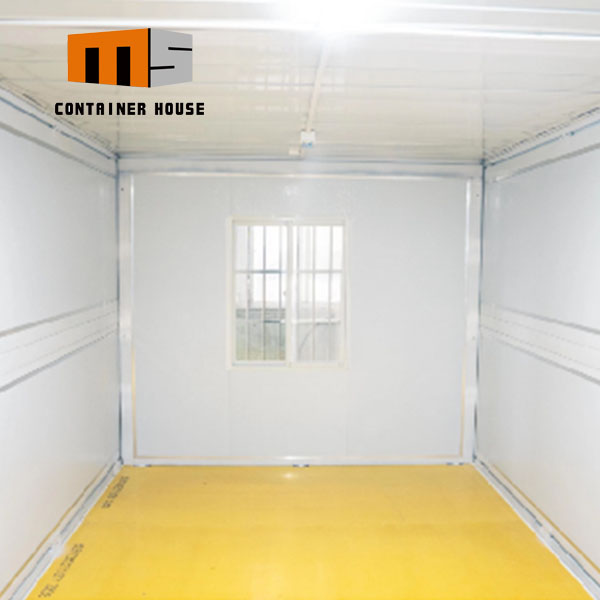
Industriya ya ujenzi inaona mabadiliko ya kirevushioni kama zaidi ya watumishi wa nyumbani na biashara zinazotumia suluhisho la nyumba za awali kwa mahitaji yao ya ujenzi. Nyumba ya awali inatoa faida kubwa kuliko njia za kawaida za ujenzi, ikiwemo kupungua wakati wa ujenzi, uchumi wa gharama, na udhibiti wa ubora unaopatikana kila wakati. Na kwa kuja kwa mwaka 2026 na uvujuzi mpya na mikondo ya soko, kuelewa muundo wa gharama kamili ya ujenzi wa nyumba ya awali umekuwa muhimu kwa kutafakari kwa ukaribu kabla ya kuchagua. Nyumba za kisasa za awali zinajumuisha tofauti za rahisi za mifupa ya kontena hadi miundo ya kipekee ya kisasa ya kuvutia, kila moja ikionyesha maoni tofauti ya bei na manufaa yanayotolewa.
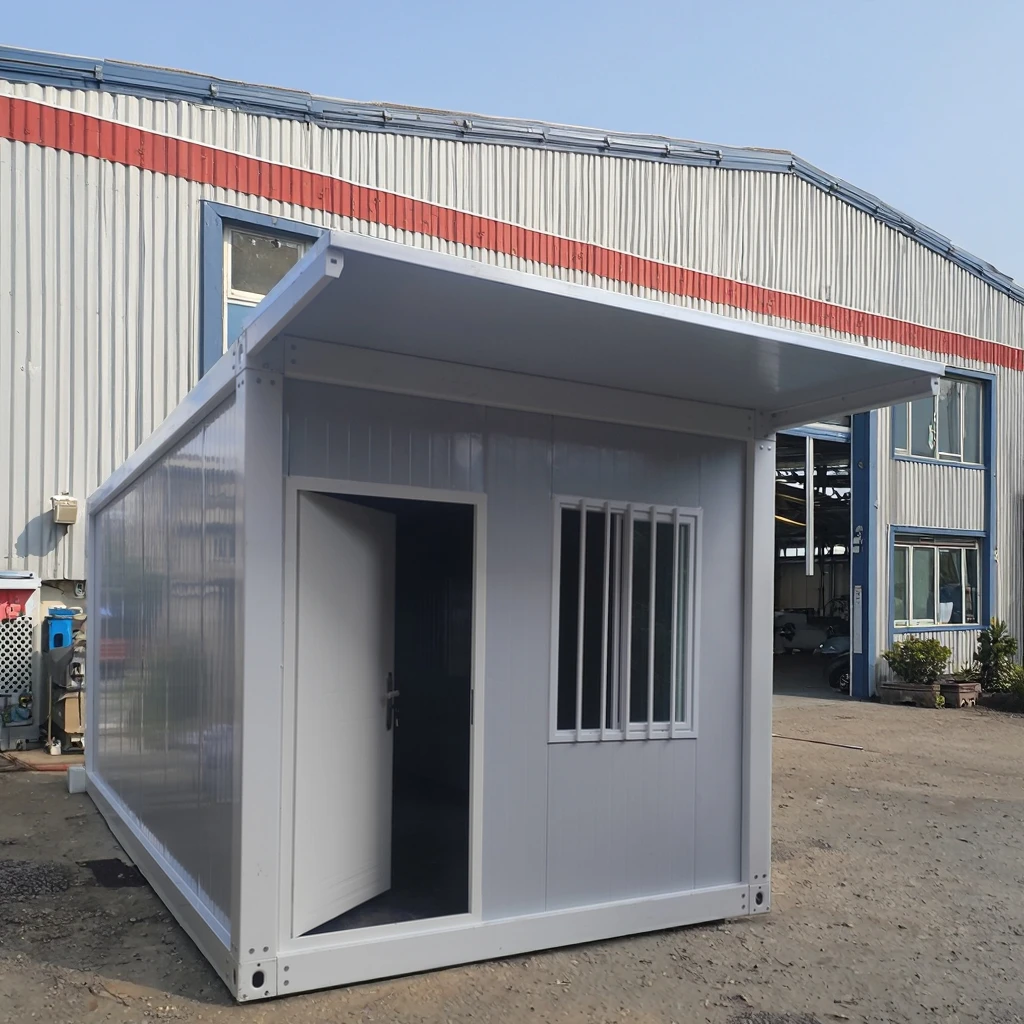
Soko la nyumba za awali (prefab) limebadilika kwa kiasi kikubwa, ukutoa chaguo mbalimbali ambacho kinahudumia budjeti mbalimbali na mahitaji ya mtindo wa maisha. Kutoka kwa nyumba rahisi za kuanza hadi mafundisho ya usanifu wenye uongozi, ujenzi wa awali (prefab) unatoa thamani ya kipekee kupitia mchakato wa uzalishaji unaofanya kazi vizuri na gharama ndogo za kazi. Mwongozo huu wa kina unachunguza kila sehemu ya gharama za nyumba za awali (prefab), ukusaidia kupitia mazingira ya kuvuruga ya bei ya ujenzi wa kipande (modular) na kufanya maamuzi ya uwekezaji yenye elimu kwa mradi wako ujao wa ujenzi.
Kuelewa Vyanzo vya Gharama ya Nyumba ya Awali (Prefab)
Muundo wa Msingi na Vitu
Msingi wa kila hesabu ya gharama ya nyumba iliyotengenezwa awali huanza na muundo wa msingi na vitu vilivyotumika katika ujenzi. Nyumba za kawaida zilizotengenezwa awali zinatumia kawaida mfumo wa chombo cha steele, paneli za ukuta zenye ujitosha, na maendeleo ya nje yenye uwezo wa kupigana na hali ya hewa. Gharama za vitu vinabadilika sana kulingana na vipimo vya ubora, na michoro ya msingi inayopatikana kwa bei ya dola 45-65 kwa futa ya mraba kwa muundo wa nje pekee. Michoro ya juu ya nyumba iliyotengenezwa awali inayojumuisha vitu vya kisasa kama paneli zenye ujitosha wa muundo au mfumo wa mbao iliyoundwa kwa teknolojia inaweza kuongeza gharama za msingi hadi dola 85-120 kwa futa ya mraba.
Uzito wa uzalishaji unapaswa kuhusiana moja kwa moja na thamani ya muda mrefu na gharama za uendeshaji ya uwekezaji wako wa nyumba ya awali. Vitu vya kipato cha juu vinatoa sifa bora za kujifunza, kupunguza mahitaji ya usimamizi, na kuongeza uwezo wa kushinda mambo ya mazingira. Mikakati ya nyumba ya awali yenye mfumo wa chuma inatoa uwezo bora wa kujenga na uwezo wa kuzuia wanyama. Kwa upande mwingine, mikakati ya nyumba ya awali yenye mfumo wa mti inatoa faida za kujifunza kwa asili na uwezo wa kubadilisha kwa urahisi zaidi. Kuelewa chaguzi hizi za vitu husaidia kuanzisha matarajio ya bajeti ya kweli kwa mradi wako wa nyumba ya awali.
Gharama za Kazi na Uwekaji
Uwekaji una representi sehemu kubwa ya gharama zote za nyumba za awali (prefab), kwa kawaida ikijiandikisha 25–35% ya bajeti ya jumla ya mradi. Timu za wataalamu wa uwekaji zenye utajuzi wa ujenzi wa vitengo (modular) zinaweza kumaliza ujenzi katika siku 2–5 kwa michoro ya kawaida, kuhakikisha kupungua kwa gharama za kazi kuliko njia za kawaida za ujenzi. Gharama za uwekaji kwa kawaida zinategemea $15–30 kwa futa ya mraba, kulingana na urahisi wa kufikia eneo, mahitaji ya msingi, na tarif ya kazi ya eneo.
Uandaa wa mahali hujiongeza kipengele kingine kwenye gharama za uwekaji wa nyumba za awali-zilizotengenezwa, ikiwemo kufungua mafuriko, uunganisho wa huduma za msingi, na kazi za msingi. Shughuli hizi za uandaa zinaweza kuvuta gharama ya $8,000–25,000 kulingana na hali ya udongo, kanuni za jengo za eneo hilo, na ukaribu wa huduma za msingi. Mahali pengine ya mbali au eneo lenye changamoto za kijiolojia linaweza kuongeza gharama za uwekaji kwa kiasi kikubwa, kama hivyo utamati wa mahali ni muhimu sana kwa mpango wa bajeti yenye usahihi. Wakalimani wenye uzoefu wa kujenga nyumba za awali-zilizotengenezwa hukuhakikisha uwekaji unaofaa wakidhoofisha changamoto na muda wa kukoma.
Ukubwa na Uundaji Unaathiriwa Kwenye Bei
Mazoezi ya Mita za Mraba
Ukubwa unaonyesha sababu muhimu zaidi inayosababisha gharama za nyumba za awali (prefab), na mfumo wa bei huendelea kwa kanuni za uchumi wa ukubwa. Vitengo vidogo chini ya futa za mraba 800 mara nyingi hujikwamisha bei kwa kila futa ya mraba kubwa zaidi kwa sababu ya gharama za uzalishaji za kudumu, wakati nyumba kubwa zaidi ya futa za mraba 1,500 hufikia ufanisi bora wa gharama. Vitengo vya nyumba za awali (prefab) zenye chumba moja cha kulala vinavuma kati ya dola 35,000 hadi 75,000, wakati nyumba za familia zenye vitengo vingi vya kulala zinaweza gharama ya dola 80,000 hadi 200,000 au zaidi kulingana na maelezo na sifa zao.
Miongozo ya nyumba za awali (prefab) zenye matazara mbili (multi-story) inatoa faida kubwa ya kutumia nafasi kwa ukubwa mdogo wa msambamba, ingawa mara nyingi inahitaji bei ya juu kwa sababu ya uunganishaji wa miundo uliozidi. Nyumba za awali (modular) zenye matazara mbili zinahitaji bei ya juu kwa 10-20% kwa kila futa ya mraba kuliko zile zenye matazara moja, lakini zinatoa utumiaji bora wa ardhi na uburudani wa kujitenga. Kuelewa dinamiki hizi za bei zinazohusiana na ukubwa husaidia kupanga chaguo lako la nyumba ya awali (prefab) kwa ajili ya kikomo cha bajeti na mahitaji ya kazi.
Chaguo za Kusasisha na Kukuza
Mifumo ya nyumba za awali zilizotengenezwa kwa njia ya viendelezo vinatoa njia ya uwekezaji bora zaidi, na vifaa vya msingi vinajumuisha mifumo na maendeleo ya msingi. Chaguzi za kubadilisha kinaathiri gharama za mwisho sana, na mabadiliko ya kiutawala, vifaa vya juu, na mifumo ya kipekee hujiongezea 20-50% kwenye bei ya msingi. Kupanua kwa kawaida kuhusiana na vituo vya nishati ya chafu, vifaa vya ukuta vya kuboreshwa, vifaa vya kipekee vya kuchoma, na mifumo ya HVAC ya kisasa ambayo inaboresha urahisi na thamani ya muda mrefu.
Uunganisho wa nyumbani smart na mifumo ya nishati ya kisasa ni miongozo inayozidi katika ubadilishaji wa nyumba za awali zilizotengenezwa kwa njia ya viendelezo, ingawa inahitaji uwekezaji mkubwa wa awali. Mifumo ya paneli za jua, udhibiti wa nuru ya kiotomatiki, na mifumo ya usalama ya kuingiliana yanaweza kuongezea gharama za mradi $15,000-40,000 wakati wanatoa uvukuzi wa gharama za uendeshaji katika muda mrefu. Kufanya usawa kati ya vipengele vilivyotaka na vikwazo vya bajeti inahitaji kuzingatia makini gharama za mara moja na faida za muda mrefu wakati unapangalia yako nyumba ya prefab vipimo.
Sababu za Kieneo na za Sheria
Tofauti za Kijiografia za Bei
Eneo huathiri sana gharama za nyumba zilizojengwa kwa njia ya gharama za usafiri, kiwango cha kazi ya mahali, na upatikanaji wa vifaa vya eneo hilo. Ukaribu wa vifaa vya viwanda hupunguza gharama za usafirishaji, ambazo zinaweza kuwakilisha 8-15% ya gharama za mradi kwa ajili ya utoaji wa umbali mrefu. Masoko ya mijini kawaida yana gharama kubwa za ufungaji kutokana na kuongezeka kwa viwango vya kazi na changamoto za ufikiaji wa tovuti, wakati maeneo ya vijijini yanaweza kukabiliwa na gharama za ziada kwa unganisho la huduma na maandalizi ya tovuti.
Mazingira pia huathiri bei ya nyumba za awali kwa kuchukua ikiwa ni pamoja na kiwango cha ujio wa joto, mahitaji ya kuongeza nguvu ya muundo, na vipengele vya kuzuia mabadiliko ya hali ya hewa. Mikoa ya kaskazini ambayo inahitaji ujio wa joto wa juu na mfumo wa kujifunza unaweza kuongeza gharama kwa 10-25% kuliko uwekaji katika mikoa yenye hali ya hewa ya wastani. Envyo za pwani ambazo zinahitaji ujenzi unaosaidia kupambana na mapafu au vipengele vya kukuza nyumba juu ya kiwango cha maji ya mvua vinawezesha gharama za ziada ambazo lazima zijumuishwe katika mpango wa mradi na maamuzi ya bajeti.
Gharama za Ruhusa na Utekelezaji wa Sheria
Ruhusa za ujenzi na utekelezaji wa sheria huongeza gharama za lazima kwa kila mradi wa nyumba za awali, kwa kawaida kubadilika kutoka $2,000 hadi $8,000 kulingana na mahitaji ya eneo la kijiografia na ugharibu wa mradi. Baadhi ya mashirika ya serikali yana sheria maalum kwa ujenzi wa vitengo ambavyo yanaweza kutahitaji udhabiti wa uhandisi wa ziada au mchakato wa ukaguzi. Kufanya kazi pamoja na wafanyabiashara wenye uzoefu ambao wanaelewa sheria za eneo la kijiografia husaidia kuhakikisha utekelezaji wa kisahihi na kudhoofisha viwango vya kuchelewa na gharama za ziada.
Ukadirishaji wa athari kwa mazingira, majaribio ya udongo, na ada za uunganisho wa huduma ni gharama za kisheria ziada ambazo zinabadilika sana kulingana na eneo. Baadhi ya maeneo yanatoa mchakato wa kuhakikisha leseni kwa kasi kwa miundo ya nyumba za awali zenye ufanisi wa nishati, ambayo inaweza kupunguza gharama na muda wa kufanya kazi. Kuelewa taasisi ya kisheria ya eneo husaidia kuweka mizani ya wakati ya mradi yenye uwezekano na kugawanya bajeti kwa ajili ya gharama za kufuata sheria katika mchakato wa ujenzi.
Mikopo na Chaguo la Kulipa
Mazoezi ya Mikopo ya Kihistoria
Kufanya mikopo ya nyumba ya awali inahitaji kuelewa jinsi walipaji wanavyotathmini miradi ya ujenzi wa kisurufu kulingana na nyumba za kihistoria. Taasisi nyingi za kifedha sasa zinatoa mikopo ya ujenzi-kwa-mikopo ya kudumu ambayo imeundwa hasa kwa nyumba za awali, ingawa masharti ya kuhitajika yanaweza kutofautiana na bidhaa za mikopo ya kawaida. Masharti ya malipo ya awali huwakilishwa kwa asilimia 10–25%, na viwango vya riba vinafanana na vya mikopo ya kawaida ya ujenzi wakati wa kujenga.
Ubadilishaji wa kudumu wa ufadhili hutokea baada ya kukamilika na ukaguzi wa mwisho wa nyumba yako ya awali, na kubadilika hadi masharti na viwango vya kawaida vya rehani. Baadhi ya wazalishaji hutoa programu za ufadhili wa moja kwa moja au ushirikiano na wakopeshaji maalum wanaofahamu ratiba na michakato ya ujenzi wa kawaida. Kuchunguza chaguzi nyingi za ufadhili huhakikisha masharti na hali bora kwa mradi wako maalum wa nyumba ya awali na hali ya kifedha.
Vyanzo vingine vya Uwekezaji
Ununuzi wa pesa taslimu hutoa faida kubwa katika miamala ya nyumba za awali, ikiwa ni pamoja na punguzo linalowezekana la mtengenezaji, michakato rahisi ya kufunga, na kukamilika kwa mradi haraka. Mikopo ya kibinafsi, mikopo ya usawa wa nyumba, na uondoaji wa akaunti za kustaafu hutoa njia mbadala za ufadhili kwa miradi midogo ya nyumba za awali au mahitaji ya malipo ya awali. Kila mbinu ya ufadhili inatoa faida na mambo ya kipekee ambayo yanapaswa kuendana na mkakati wako wa kifedha kwa ujumla.
Programu za msaada wa serikali na mkopo wa kushirikisha kwa ufanisi wa nishati zinaweza kupunguza sehemu ya gharama za nyumba za awali (prefab), hasa kwa miradi inayojumuisha teknolojia na vitu vya kujenga vinavyotumika kwa njia ya kudumisha. Mikopo ya maendeleo ya eneo la vijiji ya USDA, faida za VA, na programu za wateja wa kwanza wa nyumba zinaweza kutumika kwa ununuzi wa nyumba za awali (prefab) zinazokidhi masharti. Utafiti wa programu zinazopatikana na masharti ya kuelimika husaidia kuboresha faida za kifedha na kupunguza gharama zote za mradi kupitia mpango wenye uelewa na mchakato wa kuomba.
Thamani ya Muda Mrefu na Uchambuzi wa ROI
Matumizi ya Ufanisi wa Energia
Miongozo ya kisasa ya nyumba za awali (prefab) hujumuisha vipengele vya kuvutia vya ufanisi wa nishati vinavyotoa uvuto wa gharama kwa muda mrefu kupitia kupungua kwa gharama za umeme. Mifumo ya kuvutia bora, madirisha yenye ufanisi wa nishati, na mienendo ya HVAC iliyowekwa kwenye mfumo huweza kupunguza gharama za nishati kwa mwezi kwa asilimia 25-40 kuliko jengo la kawaida. Uvuto huu wa kazi unazidi kwa muda mrefu, kubofya thamani ya kujitolea kwa ununuzi wako wa nyumba ya awali (prefab).
Teknolojia za nyumbani maarufu na ushirikiano wa nishati ya kudumu zinazidisha tena ufanisi wa nishati na uwezekano wa kupunguza gharama. Mifumo ya paneli za jua, uchafuzi wa joto kutoka kwenye ardhi, na suluhisho la uhifadhi wa betri zinaweza kufikia matumizi ya nishati ya sifuri katika mazingira bora, kubadilisha kabisa gharama za utawala wa kila mwezi. Ingawa uboreshaji huu unahitaji uwekezaji wa awali mkubwa zaidi, unatoa thamani nzuri ya muda mrefu na kuongeza uwezekano wa kuuza tena mali katika masoko ambayo yana watawala wenye ufahamu wa mazingira.
Sababu za Utunzaji na Ubugani
Ujenzi wa nyumba za awali zilizotengenezwa kwa ubora unahitaji matumizi ya chini ya usimamizi kuliko njia za kawaida za ujenzi kwa sababu ya mazingira ya uzalishaji yanayotarajiwa na viwango vya ubora vinavyofanana. Vipengele vilivyotengenezwa kwenye fabrika hupata ulinzi bora zaidi dhidi ya hali ya hewa wakati wa ujenzi, kubadilisha matatizo yanayohusiana na unyevu na upungufu wa vitu. Matumizi ya chini ya usimamizi huwa na matokeo ya kupungua gharama za ujenzi wa muda mrefu na kuhifadhi thamani ya mali kwa muda mrefu.
Ukubaliano wa ubunifu wa nyumba za awali (prefab) mara nyingi unapitana na viwango vya jengo la kawaida, na watoa wengi wa bidhaa wanatoa ulinzi wa kina kwa sehemu za muundo, mifumo, na maendeleo. Muda mrefu wa ukubaliano unaleta amani ya akili na ulinzi dhidi ya gharama za kurekebisha ambazo hazijafanyika kwa miaka ya kwanza ya ujenzi. Kuelewa masharti ya ukubaliano na kikomo cha ulinzi husaidia kuchunguza thamani ya kudumu ya chaguo tofauti za nyumba za awali na watoa wao.
Mwelekeo wa Soko na Maoni ya Baadaye
Maendeleo ya Teknolojia
Teknolojia mpya zinavyoendelea kubadilisha uwezo wa uuzaji na ubunifu wa nyumba za awali (prefab), kuanzisha uwezekano mpya wa kuboresha, ufanisi, na uboreshaji wa gharama. Matumizi ya kuchapisha kwa 3D, mifumo ya kuunganisha kwa roboti, na sayansi ya vitu vya juu hutanisha kupungua kwa gharama na uboreshaji wa ubora katika miaka ijayo. Maendeleo haya ya teknolojia yamefanya nyumba zilizotengenezwa awali (prefab) kuwa zinazokompetisha zaidi na njia za kawaida za ujenzi katika segmeni zote za soko.
Vifaa vya kidijitali vya kubuni na mifumo ya ukweli wa kuvirtualia vinawezesha ubadilishaji wa kina na kuona kwa muda mrefu kabla ya kutengenezwa, kujifungua makosa na maagizo ya ubadilisho ambayo yanaweza kuongeza gharama za mradi. Kujenga mfano wa taarifa (BIM) na mifumo ya usimamizi wa mradi unaofanana hufanya kazi ya kushirikiana kwa urahisi kati ya watajiri, wafanyabiashara, na wateja wote katika mchakato wa kujenga nyumba zinazotengenezwa mapema. Umatumizi wa teknolojia unavyoendelea kuboresha ufanisi na kupunguza gharama katika sekta yote ya ujenzi wa nyumba zinazotengenezwa mapema.
Uhusiano wa Mto wa Ubunifu na Gharama za Vitu
Mchanganyiko wa kimataifa wa mtandao wa ubunifu unapaswa kuhusishwa kwa kiasi kikubwa na bei ya nyumba zinazotengenezwa mapema kupitia upatikanaji wa vitu na gharama za usafirishaji. Chuma, mti, na sehemu maalum za ujenzi hupiga bei kwa kiasi kikubwa kulingana na hali ya soko la kimataifa, sera za biashara, na uwezo wa uzalishaji. Kuelewa nguvu hizi za soko husaidia kuchagua wakati bora wa kununua nyumba zinazotengenezwa mapema ili kupata bei bora na kuboresha usahihi wa mpango wa bajeti.
Chaguo mbadala ya vitu vya kujengwa vinavyotokana na mazingira bora na chaguo za maudhui yaliyorekodiwa yanakuwa yanapatikana zaidi katika ujenzi wa nyumba za awali (prefab), ukutoa faida za mazingira wakati mwingine ukupunguza gharama. Wakuzaji wanaooweka pesa katika mipaka ya ubunifu wa eneo la kijiji na matendo ya kujengwa bora mara nyingi hutoa bei yenye ustahili na muda mfupi wa usafirishaji. Maendeleo haya ya soko yanasisimua ukuaji wa kuendelea na uwezekano wa kupata bei bora ya sekta ya nyumba za awali.
Maswali Yanayoulizwa Mara kwa Mara
Sababu zipi zinazoweza kusababisha mabadiliko makubwa katika gharama za nyumba za awali
Sababu muhimu zaidi za gharama ni ukubwa na eneo la mraba, kiasi cha ubadilishaji, eneo na mahitaji ya kipindi cha kujengwa, na ubora wa vitu vya kujengwa na vitu vya mwisho. Umbali wa usafirishaji kutoka kwenye viwanja vya uzalishaji, tarif ya wafanyikazi wa eneo, na mahitaji ya kufuata sheria pia huathiri gharama jumla ya mradi. Kuelewa sababu hizi kuu za gharama husaidia kuweka bajeti ambazo zinaweza kufanyika na kufanya maamuzi ya kuelewa kuhusu vipengele na tabia za nyumba za awali.
Gharama za nyumba za awali zinalingana vipi na ujenzi wa kawaida
Gharama za nyumba za awali zinaweza kubadilika kutoka 10-30% chini ya ujenzi wa kawaida wakati wa kulinganisha ubora na vipengele vya sawa. Uokoaji wa muda, kupungua kwa gharama za kazi, na ufanisi wa uzalishaji hutoa faida za gharama, ingawa linganisho la mwisho linategemea mahitaji ya mradi maalum, sababu za eneo, na kiasi cha ubadilishaji. Ujenzi wa awali pia unatoa bei yenye ubunifu zaidi na mabadiliko machache ya amri na kuzidhani gharama wakati wa ujenzi.
Je, kuna gharama fulani zenye kujificha katika miradi ya nyumba za awali
Gharama za ziada zinazotumika kwa wingi zinajumuisha uandaa wa eneo, muunganisho ya huduma, ruhusa na ukaguzi, usafirishaji na ubofya, na ada za kubadilisha kwa kiasi kikubwa kuliko vifungu vya msingi. Mahitaji ya eneo maalum kama vile kuchimba, kufanya kazi ya msingi, na kuongeza huduma zinaweza kuongeza gharama kubwa kulingana na eneo na hali. Kufanya kazi pamoja na wafanyabiashara wenye uzoefu na omba maelezo ya gharama kwa undani husaidia kugundua na kupanga bajeti ya gharama zote za mradi.
Chaguo gani za malipo yanapatikana kwa nyumba za awali kujengwa?
Chaguo la malipo linajumuisha mikopo ya ujenzi-kwa-muda-mrefu, mikopo ya kawaida baada ya kukamilika, miradi ya mikopo ya watoa wa bidhaa, mikopo ya binafsi, na ununuzi kwa pesa ya haraka. Wageni wengi sasa wanatoa bidhaa maalum kwa ujenzi wa vitengo (modular) kwa kiwango cha kushindana na masharti. Miradi ya serikali, tahimili za uwezo wa kuhifadhi nishati, na msaada wa wateja wa kwanza pia yanaweza kutumika kwa ununuzi wa nyumba za awali zilizokidhi mahitaji, kutoa msaada ya malipo ya ziada na fursa za kupunguza gharama.