
 EN
EN
The revolution in sustainable architecture has brought forth an innovative housing solution that combines functionality, affordability, and environmental consciousness. Modern container house designs represent a paradigm shift in residential construction, transforming ordinary shipping containers into stunning living spaces that challenge traditional notions of home design. These repurposed steel structures offer architects and homeowners unprecedented flexibility in creating unique dwellings that can be customized to meet diverse lifestyle needs while maintaining a minimal environmental footprint.
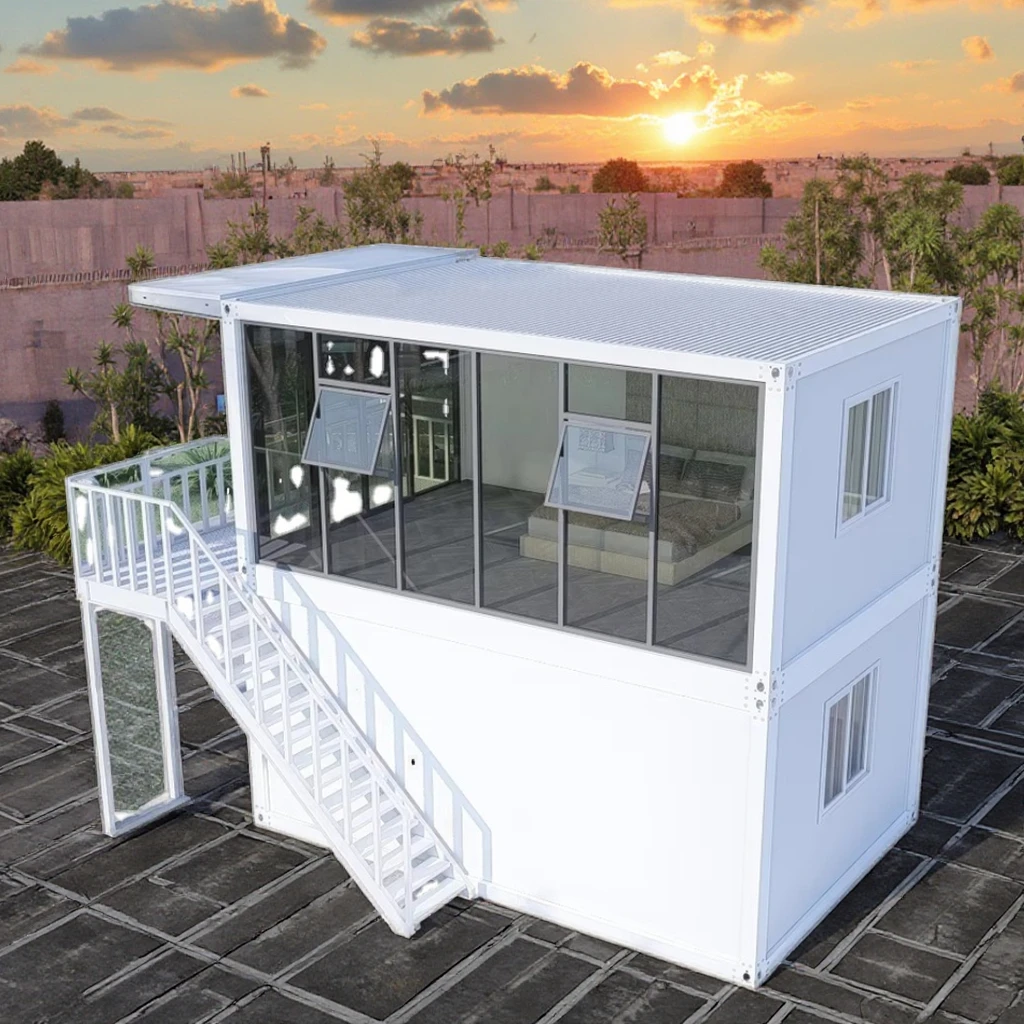
The appeal of container housing extends beyond mere cost savings, encompassing a comprehensive approach to modern living that prioritizes sustainability, modularity, and design innovation. Contemporary architects have embraced the challenge of working within the constraints of standardized shipping container dimensions, creating remarkable residential solutions that prove limitations can spark extraordinary creativity. The structural integrity of these steel boxes, originally designed to withstand oceanic transportation conditions, provides an excellent foundation for residential construction that can endure various climate conditions and geographical challenges.
Architectural Innovation in Container Housing
Structural Modifications and Design Flexibility
Modern container house projects showcase remarkable structural adaptability through strategic modifications that maintain the containers' inherent strength while creating open, livable spaces. Architects employ sophisticated cutting techniques to create large openings for windows and doors, often removing entire wall sections to connect multiple containers seamlessly. These modifications require careful engineering to preserve structural integrity while achieving the desired aesthetic and functional outcomes. The modular nature of containers allows for vertical stacking and horizontal arrangements that can accommodate growing families or changing spatial requirements.
The integration of steel reinforcement systems enables architects to create dramatic cantilevers and overhangs that would be challenging with traditional construction methods. Advanced welding techniques and structural engineering principles ensure that modified containers maintain their load-bearing capabilities while supporting additional architectural elements such as extended rooflines, balconies, and multi-story configurations. This structural flexibility has enabled the creation of container homes that rival conventional architecture in both form and function.
Climate-Responsive Design Strategies
Contemporary container house designs incorporate sophisticated climate control strategies that address the thermal challenges inherent in steel construction. Insulation systems have evolved significantly, with architects now employing multi-layered approaches that include spray foam, rigid board insulation, and thermal breaks to create comfortable interior environments. These insulation strategies not only improve energy efficiency but also prevent condensation issues that can arise in steel structures exposed to temperature variations.
Passive solar design principles play a crucial role in modern container architecture, with strategic placement of windows and shading systems optimizing natural light while minimizing heat gain. Green roof systems and living walls have become popular additions to container homes, providing natural insulation while creating attractive outdoor spaces that enhance the overall living experience. These climate-responsive features demonstrate how container housing can achieve high performance standards comparable to traditional residential construction.
Interior Design and Space Optimization
Multi-Functional Living Solutions
The compact nature of container dimensions has inspired innovative interior design solutions that maximize functionality within limited square footage. Modern container house interiors feature sophisticated storage systems that utilize every available inch of space, including built-in furniture that serves multiple purposes and vertical storage solutions that draw the eye upward to create an illusion of greater space. These design strategies transform potential spatial constraints into opportunities for creative problem-solving that results in highly efficient living environments.
Open floor plans have become a hallmark of successful container house design, with designers removing non-structural walls to create flowing spaces that feel larger than their actual dimensions. Strategic placement of mirrors, light-colored finishes, and carefully designed lighting systems further enhance the sense of spaciousness while maintaining the industrial aesthetic that makes container homes distinctive. The integration of smart home technology allows residents to control lighting, climate, and security systems efficiently, maximizing comfort while minimizing energy consumption.
Material Selection and Finishing Techniques
Contemporary container house projects showcase sophisticated material palettes that balance industrial authenticity with residential comfort. Designers often retain exposed steel elements as design features while incorporating warm materials such as reclaimed wood, natural stone, and textile elements that soften the industrial edge. These material combinations create interiors that feel both modern and welcoming, demonstrating that container homes can achieve the same level of finish quality as traditional residential construction.
Advanced finishing techniques have enabled the seamless integration of modern amenities within container structures, including sophisticated bathroom and kitchen installations that rival those found in luxury homes. Waterproofing and moisture control systems ensure that these wet areas perform reliably over time, while custom millwork and built-in appliances maximize functionality within the container's dimensional constraints. The careful selection of durable, low-maintenance materials helps ensure that container homes age gracefully while requiring minimal upkeep.
Sustainable Construction Practices
Environmental Impact and Resource Efficiency
The environmental benefits of container house construction extend far beyond the simple act of repurposing shipping containers, encompassing a comprehensive approach to sustainable building practices that minimize environmental impact throughout the construction process. The use of existing steel structures eliminates the need for new raw materials while reducing construction waste typically associated with traditional building methods. This approach to recycling massive industrial components demonstrates how creative reuse can address both housing needs and environmental concerns simultaneously.
Water conservation systems integrated into modern container homes include rainwater harvesting, greywater recycling, and efficient plumbing fixtures that significantly reduce water consumption compared to conventional residences. Solar panel installations and battery storage systems enable many container homes to achieve net-zero or even net-positive energy performance, contributing excess power back to the electrical grid. These sustainable systems demonstrate that alternative housing solutions can exceed the environmental performance of traditional construction while maintaining high standards of comfort and convenience.
Life Cycle Assessment and Long-Term Sustainability
Comprehensive life cycle assessments of container housing projects reveal significant environmental advantages over conventional construction methods, particularly in terms of reduced carbon footprint during the construction phase and ongoing operational efficiency. The durability of steel construction, when properly maintained, can result in building lifespans that exceed many traditional residential structures, further enhancing the long-term sustainability equation. These assessments consider factors including material production, transportation, construction impact, operational energy use, and end-of-life disposal or recycling possibilities.
Modular construction methods associated with container housing enable more efficient construction processes that minimize site disruption and reduce construction timeline compared to traditional building approaches. The ability to pre-fabricate major components in controlled factory environments results in higher quality construction with less waste generation and more predictable project schedules. This efficiency extends to maintenance and potential future modifications, as the modular nature of container construction facilitates updates and expansions that would be more challenging with conventional building methods.
Cost Analysis and Economic Considerations
Initial Investment and Construction Economics
The economics of container house construction present compelling advantages for budget-conscious homeowners seeking quality residential solutions without the premium costs associated with traditional custom construction. Initial container acquisition costs represent a fraction of the expense required for equivalent building materials, while the speed of construction significantly reduces labor costs and project timelines. However, successful container home projects require careful budget planning that accounts for necessary modifications, insulation systems, mechanical installations, and finishing work that can substantially impact total project costs.
Professional design and engineering services remain crucial investments in container house projects, as proper planning ensures structural safety, building code compliance, and optimal spatial utilization that maximizes the value of the investment. The modular nature of container construction allows for phased development approaches that enable homeowners to expand their living spaces over time as budgets permit, providing flexibility that traditional construction methods cannot match. This scalability makes container housing particularly attractive for young families or individuals planning for future growth.
Long-Term Value and Market Performance
Market acceptance of container housing continues to grow as more examples demonstrate the quality and livability achievable through thoughtful design and professional construction practices. Property values for well-executed container homes have shown stability and growth in many markets, particularly in areas where unique architecture and sustainable features are valued by potential buyers. The distinctiveness of container architecture can create market differentiation that appeals to environmentally conscious buyers seeking alternatives to conventional residential options.
Insurance considerations for container homes have evolved as the construction method has gained acceptance, with many insurance providers now offering standard coverage for properly constructed and permitted container residences. Financing options have similarly expanded, with some lenders developing specific programs for alternative construction methods including container housing. These developments in insurance and financing availability have removed significant barriers that previously limited container house adoption, making this housing option more accessible to mainstream markets.
Regulatory Compliance and Building Codes
Permitting Processes and Local Regulations
Navigating building code requirements for container house projects requires understanding both standard residential construction regulations and specific provisions that may apply to alternative building methods. Many jurisdictions have developed specific guidelines for container construction that address unique considerations such as structural modifications, insulation requirements, and foundation systems appropriate for steel structures. Working with experienced professionals familiar with local building codes ensures that container house projects meet all safety and performance standards while achieving necessary permits in a timely manner.
Zoning considerations play a crucial role in container house feasibility, as some areas may have restrictions on alternative construction methods or specific architectural requirements that could impact design options. Progressive municipalities have embraced container housing as a solution for affordable housing initiatives and sustainable development goals, often streamlining approval processes for qualifying projects. Understanding local zoning requirements early in the planning process helps avoid costly delays and ensures that proposed designs align with community standards and expectations.
Safety Standards and Performance Requirements
Fire safety considerations in container house design require attention to both the steel structure characteristics and interior finishing materials to ensure adequate egress routes and fire resistance performance. Modern container homes incorporate sophisticated fire suppression systems and use fire-resistant materials throughout the interior to meet or exceed standard residential safety requirements. Electrical and plumbing installations must be designed specifically for steel structures, with proper grounding systems and thermal expansion considerations that differ from wood-frame construction requirements.
Structural engineering calculations for modified containers must account for load redistribution when walls are removed or openings are created, ensuring that the finished structure maintains adequate safety margins under all anticipated loading conditions. Professional structural analysis and stamped engineering drawings are typically required for permitting purposes and provide assurance that modifications have been properly designed and executed. These safety considerations demonstrate that container housing can meet the same performance standards as conventional construction when properly engineered and constructed.
FAQ
How long does it take to build a container house compared to traditional construction
Container house construction typically requires 2-6 months from start to completion, significantly faster than traditional construction which often takes 6-12 months or longer. The speed advantage comes from reduced foundation requirements, pre-existing structural elements, and the ability to complete much of the work in controlled factory environments before site installation. However, complex designs with extensive modifications or custom features may require longer construction periods, though still generally faster than equivalent traditional builds.
What are the insulation requirements for container homes in different climate zones
Insulation requirements for container houses vary by climate zone but typically exceed those needed for traditional construction due to steel's thermal conductivity. Cold climates may require R-25 to R-30 insulation values, while hot climates focus on radiant barriers and thermal breaks. Most successful container homes use spray foam insulation combined with rigid board systems to achieve proper thermal performance while managing condensation control. Professional energy modeling helps determine optimal insulation strategies for specific locations and design requirements.
Are container houses suitable for permanent family living with children
Modern container houses can absolutely serve as permanent family residences when properly designed with adequate space, safety features, and child-friendly layouts. Multi-container configurations easily accommodate growing families, while thoughtful design creates safe play areas, sufficient storage, and privacy zones. Many families successfully raise children in container homes that offer the same amenities and comfort as traditional houses, often with added benefits of lower environmental impact and reduced maintenance requirements. Proper planning during the design phase ensures that container homes meet all family living needs effectively.
What financing options are available for container house construction projects
Financing options for container houses have expanded significantly as the construction method gains acceptance, with many conventional lenders now offering construction loans and permanent mortgages for properly permitted container homes. Some specialized lenders focus specifically on alternative construction methods and may offer more favorable terms or streamlined approval processes. Owner-builder financing, personal construction loans, and cash purchases remain popular options, while some areas offer incentive programs for sustainable housing that can include container construction projects.
Table of Contents
- Architectural Innovation in Container Housing
- Interior Design and Space Optimization
- Sustainable Construction Practices
- Cost Analysis and Economic Considerations
- Regulatory Compliance and Building Codes
-
FAQ
- How long does it take to build a container house compared to traditional construction
- What are the insulation requirements for container homes in different climate zones
- Are container houses suitable for permanent family living with children
- What financing options are available for container house construction projects