 EN
EN
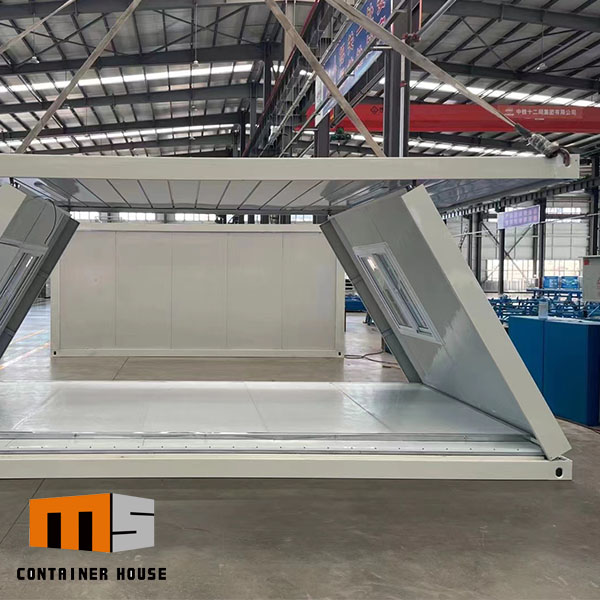
The mobile house industry has evolved dramatically in recent years, transforming from simple trailers into sophisticated, energy-efficient homes that rival traditional construction. As we approach 2026, the mobile house market continues to expand with innovative designs, sustainable materials, and advanced technologies that make these structures more appealing than ever. Understanding the current landscape of mobile house options, regulations, and benefits is crucial for anyone considering this flexible housing solution. Whether you're looking for a primary residence, vacation home, or investment property, the modern mobile house offers unprecedented value and versatility in today's dynamic real estate market.
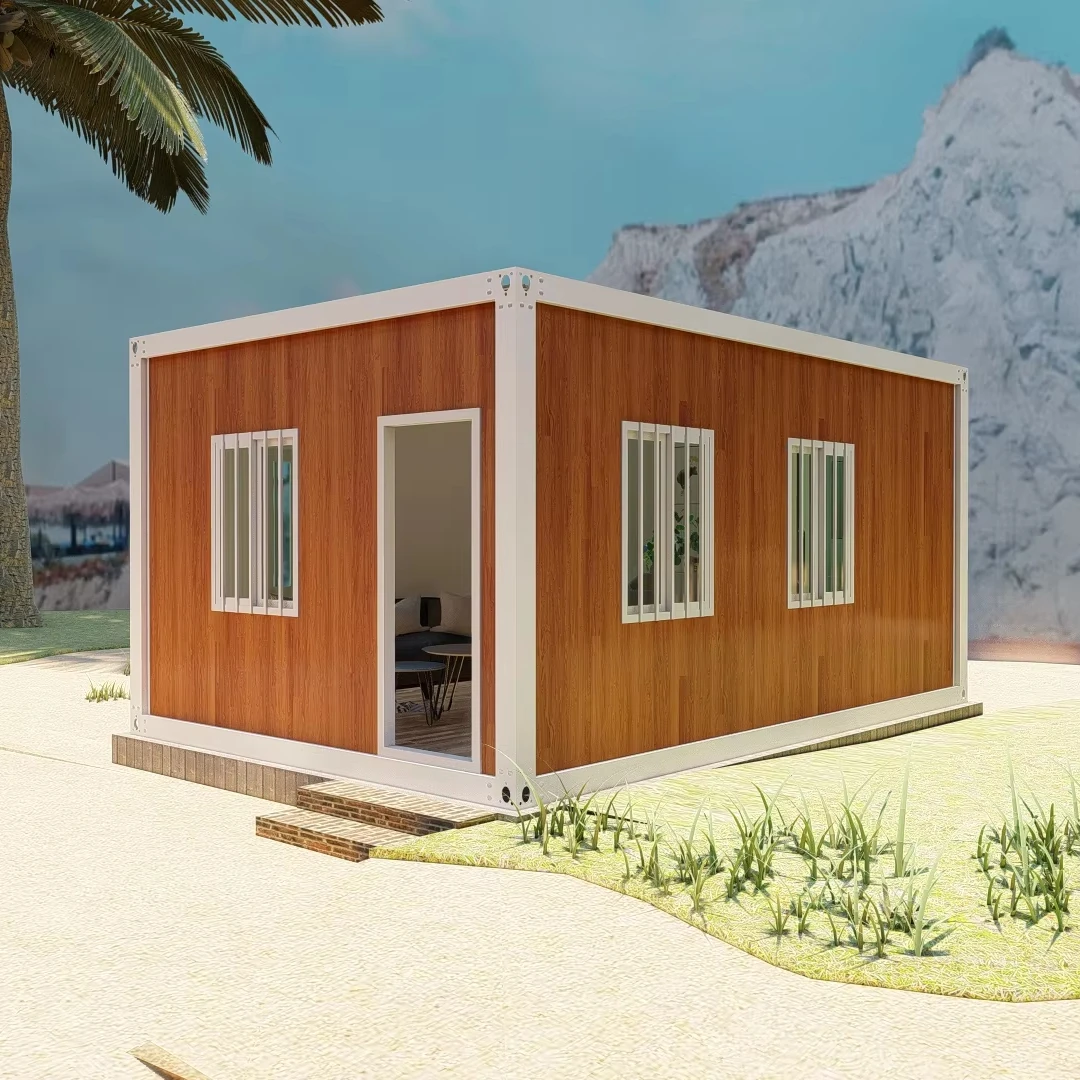
Understanding Modern Mobile House Construction
Advanced Building Materials and Techniques
Today's mobile house construction utilizes cutting-edge materials that significantly improve durability, insulation, and aesthetic appeal. High-quality steel framing has replaced traditional wood in many models, providing superior structural integrity and resistance to environmental factors. Advanced composite materials, including fiber cement siding and impact-resistant roofing, ensure that modern mobile house units can withstand extreme weather conditions while maintaining their appearance for decades. These materials also contribute to better energy efficiency, reducing long-term operating costs for homeowners.
The manufacturing process has become increasingly sophisticated, with computer-aided design and precision assembly techniques ensuring consistent quality across all mobile house models. Factory-controlled environments allow for better quality control and faster construction times compared to traditional site-built homes. Many manufacturers now incorporate sustainable practices, using recycled materials and implementing waste reduction strategies that make the mobile house an environmentally responsible choice for conscious consumers.
Smart Home Integration and Technology
Modern mobile house designs seamlessly integrate smart home technology, transforming these compact spaces into highly efficient living environments. Advanced HVAC systems with programmable thermostats and zone control optimize energy usage while maintaining comfortable temperatures throughout the year. Smart lighting systems, security features, and home automation capabilities are becoming standard offerings in premium mobile house models, providing residents with the same technological conveniences found in luxury traditional homes.
The electrical infrastructure in contemporary mobile house construction accommodates high-speed internet, multiple device charging stations, and energy-efficient appliances. Solar panel integration has become increasingly common, with many mobile house manufacturers offering renewable energy packages that can significantly reduce or eliminate monthly utility costs. Battery storage systems complement solar installations, ensuring reliable power even during outages or off-grid applications.
Legal Considerations and Zoning Requirements
Understanding Local Regulations
Navigating the legal landscape surrounding mobile house placement requires thorough research and understanding of local zoning laws and building codes. Many municipalities have updated their regulations to accommodate the growing popularity of mobile house living, but restrictions still vary significantly between jurisdictions. Some areas classify mobile house units as recreational vehicles, limiting their use to designated RV parks or temporary installations, while others treat them as permanent residential structures with full property rights.
Building permits and inspection requirements for mobile house installations depend heavily on local building departments and their interpretation of current codes. Some regions require the same permits and inspections as traditional construction, while others have streamlined processes specifically designed for mobile house installations. Working with experienced contractors and legal professionals familiar with local regulations can prevent costly delays and ensure compliance with all applicable requirements.
Insurance and Financing Options
Securing appropriate insurance coverage for a mobile house requires understanding the different policy types available and their specific coverage limitations. Traditional homeowner's insurance may not adequately protect mobile house investments, particularly for units classified as recreational vehicles. Specialized mobile house insurance policies provide comprehensive coverage for structural damage, personal property, and liability protection tailored to the unique risks associated with this housing type.
Financing options for mobile house purchases have expanded considerably, with many lenders now offering competitive rates and terms comparable to traditional mortgage products. Personal loans, RV financing, and specialized mobile house loans each have different qualification requirements and interest rates. Some manufacturers offer direct financing programs that can simplify the purchasing process and provide favorable terms for qualified buyers. Understanding these options helps potential mobile house owners make informed financial decisions that align with their long-term goals.
Cost Analysis and Value Proposition
Initial Investment Considerations
The upfront cost of a mobile house varies significantly based on size, features, and construction quality, with basic models starting around forty thousand dollars and luxury units exceeding two hundred thousand dollars. This price range represents substantial savings compared to traditional home construction, which often costs two to three times more per square foot. The mobile house market offers options for every budget, from simple single-wide units suitable for first-time buyers to expansive custom designs that rival high-end conventional homes in both features and finishes.
Beyond the purchase price, buyers must consider additional costs including site preparation, utility connections, permits, and ongoing maintenance expenses. Professional site preparation for a mobile house installation typically costs between five and fifteen thousand dollars, depending on terrain complexity and required improvements. Utility connections for water, sewer, and electrical service can add several thousand dollars to the project, though these costs are often comparable to or less than similar expenses for traditional construction projects.
Long-term Financial Benefits
The mobile house ownership model provides several long-term financial advantages that make it an attractive investment option. Lower property taxes, reduced maintenance costs, and energy-efficient design features contribute to ongoing savings that can amount to thousands of dollars annually compared to conventional homeownership. Many mobile house owners report significant reductions in utility costs due to compact, well-insulated designs and modern energy-efficient systems.
The mobility aspect of mobile house ownership offers unique financial flexibility, allowing owners to relocate without losing their housing investment. This portability can be particularly valuable for individuals whose careers require frequent relocation or those who wish to experience different geographical areas without the costs and complications of traditional real estate transactions. The ability to move a mobile house to take advantage of changing market conditions or personal circumstances provides financial options unavailable with conventional property ownership.
Design Trends and Customization Options
Contemporary Architectural Styles
Current mobile house design trends emphasize clean lines, open floor plans, and maximization of natural light to create spacious, comfortable living environments within compact footprints. Modern farmhouse, contemporary minimalist, and industrial design aesthetics have become increasingly popular in mobile house construction, offering buyers sophisticated style options that rival traditional residential architecture. Large windows, skylights, and glass doors create the illusion of expanded space while connecting indoor and outdoor living areas.
Interior design in today's mobile house focuses on multi-functional spaces and clever storage solutions that make every square foot productive. Built-in furniture, fold-down work surfaces, and hidden storage compartments maximize usability without sacrificing comfort or style. High-quality finishes, including hardwood flooring, granite countertops, and stainless steel appliances, are increasingly standard in mid-range and premium mobile house models, eliminating the perception that these homes represent a compromise in quality or aesthetics.
Sustainable and Eco-Friendly Features
Environmental consciousness drives many current mobile house design innovations, with manufacturers incorporating sustainable materials and energy-efficient systems as standard features. Bamboo flooring, recycled steel framing, and low-VOC finishes contribute to healthier indoor air quality while reducing environmental impact. Water conservation features, including low-flow fixtures and greywater recycling systems, help mobile house residents minimize their ecological footprint while reducing utility costs.
Solar energy integration has become increasingly sophisticated in mobile house applications, with many manufacturers offering complete renewable energy packages that can achieve net-zero energy consumption. Advanced insulation materials and construction techniques, including structural insulated panels and continuous thermal barriers, significantly improve energy efficiency compared to traditional mobile house construction. These improvements not only benefit the environment but also provide substantial long-term cost savings for homeowners through reduced energy consumption.
Market Outlook and Future Trends
Industry Growth Projections
The mobile house industry continues experiencing robust growth, driven by changing demographics, evolving lifestyle preferences, and economic factors that make alternative housing solutions increasingly attractive. Market analysts project continued expansion through 2026 and beyond, with particular growth in luxury mobile house segments and eco-friendly models. Millennials and Gen Z buyers, who prioritize flexibility, sustainability, and affordability, represent key demographic drivers for this market expansion.
Technological advancement and manufacturing efficiency improvements continue reducing mobile house production costs while enhancing quality and features. This trend makes mobile house ownership accessible to broader segments of the population while improving profit margins for manufacturers and dealers. Industry consolidation has led to larger, more sophisticated manufacturers with greater research and development capabilities, resulting in innovative products that push the boundaries of what mobile house living can offer.
Emerging Technologies and Innovations
Future mobile house developments will likely incorporate advanced technologies currently in development, including improved battery storage systems, more efficient solar panels, and smart home integration that learns and adapts to resident preferences. Automated manufacturing processes and 3D printing technologies may revolutionize mobile house production, potentially reducing costs and construction time while enabling greater customization options for buyers.
The integration of autonomous systems for maintenance, security, and energy management represents the next frontier in mobile house technology. These systems could provide remote monitoring capabilities, predictive maintenance alerts, and automated adjustments to optimize comfort and efficiency. As 5G networks expand and internet connectivity improves in rural areas, mobile house residents will have access to the same digital services and remote work capabilities available in urban environments, further enhancing the appeal of this housing option.
FAQ
How long does a modern mobile house typically last
Modern mobile house construction methods and materials significantly extend lifespan compared to older models, with well-maintained units lasting 30-50 years or more. High-quality steel framing, advanced roofing materials, and proper foundation systems contribute to structural longevity. Regular maintenance, including roof inspections, sealant replacement, and HVAC servicing, helps ensure maximum lifespan and preserves value over time.
Can I get a traditional mortgage for a mobile house purchase
Traditional mortgage financing for mobile house purchases depends on several factors, including whether the unit is classified as real estate or personal property. Mobile house units permanently affixed to owned land often qualify for conventional mortgages, while units in rented spaces typically require alternative financing such as chattel loans or personal loans. Many lenders now offer specialized mobile house financing programs with competitive rates and terms.
What maintenance requirements should I expect with mobile house ownership
Mobile house maintenance requirements are generally similar to traditional homes but may include some unique considerations such as roof membrane inspection, underpinning maintenance, and tie-down system checks. Regular tasks include HVAC filter changes, plumbing maintenance, and exterior sealant inspection. Professional inspections every few years help identify potential issues before they become major problems, ensuring long-term reliability and value preservation.
Are there restrictions on where I can place a mobile house
Mobile house placement restrictions vary significantly by location, with some areas welcoming these homes while others have strict limitations. Zoning laws, deed restrictions, and homeowner association rules all potentially impact where mobile house placement is permitted. Researching local regulations, consulting with planning departments, and working with experienced mobile house dealers helps navigate placement requirements and identify suitable locations for installation.