 EN
EN
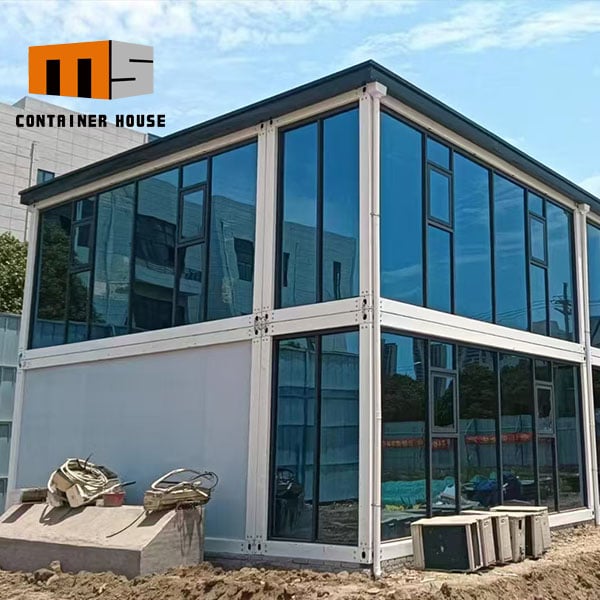
The modern construction industry is witnessing a revolutionary shift toward innovative housing solutions, with the foldable house emerging as a game-changing alternative to traditional building methods. These innovative structures combine portability, efficiency, and cost-effectiveness to meet the growing demand for flexible living and working spaces. As urbanization accelerates and housing costs continue to rise, more individuals and businesses are exploring the benefits of foldable housing technologies that offer rapid deployment and sustainable construction practices.
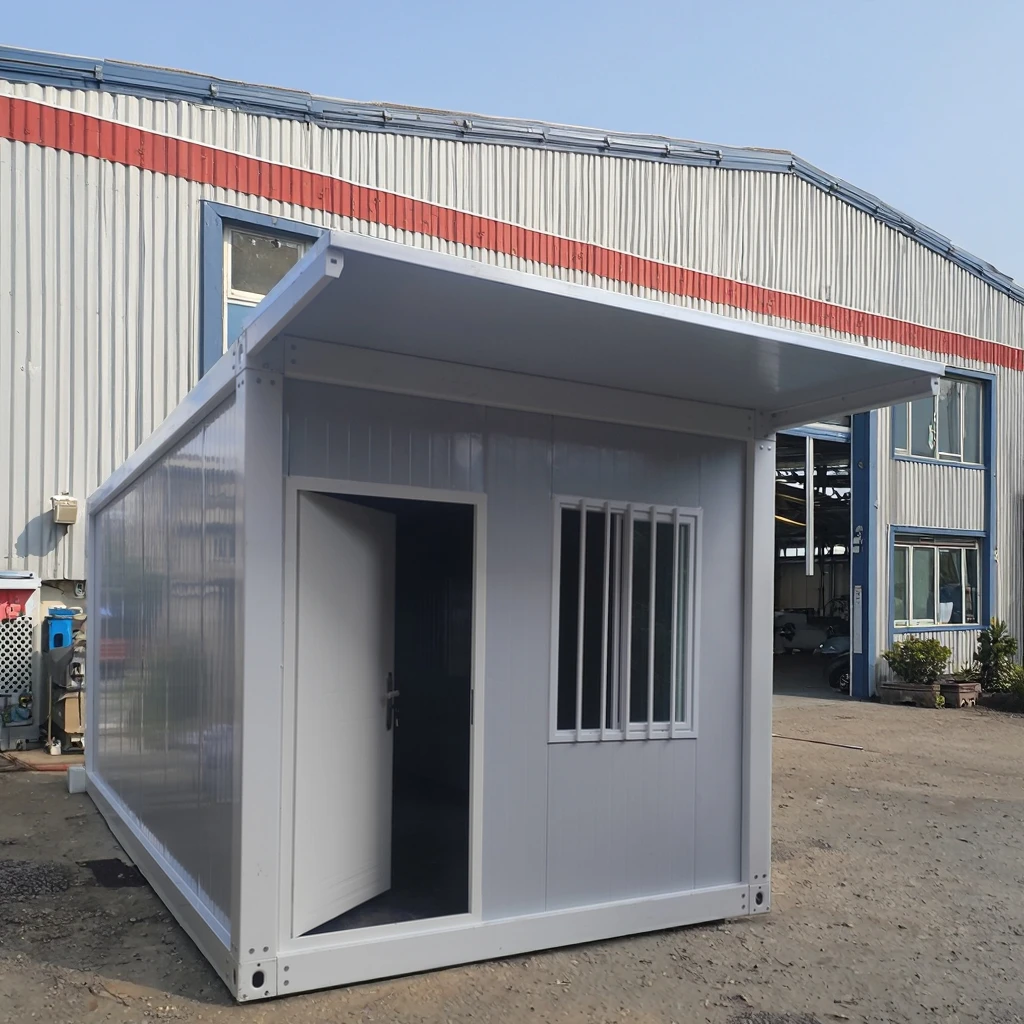
Understanding the fundamentals of foldable house construction requires examining the engineering principles that make these structures both durable and transportable. Unlike conventional buildings that require extensive on-site assembly, a foldable house utilizes pre-engineered components that can be efficiently transported and rapidly erected. This innovative approach reduces construction time from months to days while maintaining structural integrity and weather resistance comparable to traditional construction methods.
Understanding Foldable House Technology
Core Engineering Principles
The foundation of any quality foldable house lies in its sophisticated engineering design that balances structural strength with portability requirements. Advanced steel frame construction utilizes high-grade materials that can withstand repeated folding and unfolding cycles without compromising structural integrity. The modular design approach allows for standardized components that integrate seamlessly during assembly, ensuring consistent quality across different installation sites.
Modern foldable house systems incorporate precision-engineered hinges, locking mechanisms, and support structures that distribute loads effectively throughout the framework. These components undergo rigorous testing to ensure they meet international building codes and safety standards. The integration of weather-resistant materials and insulation systems provides thermal efficiency comparable to traditional construction while maintaining the lightweight characteristics essential for transportability.
Material Innovation and Durability
Contemporary foldable house construction leverages cutting-edge materials science to achieve optimal performance characteristics. High-strength steel alloys provide the structural backbone while specialized composite panels offer superior insulation properties and weather resistance. These materials are specifically selected for their ability to withstand environmental stresses while maintaining dimensional stability over extended periods of use.
The surface treatments and protective coatings applied to foldable house components ensure long-term durability in various climatic conditions. Corrosion-resistant finishes protect metal components from oxidation and weathering, while UV-stabilized panels maintain their appearance and structural properties under prolonged sun exposure. This comprehensive approach to material selection ensures that a foldable house can provide decades of reliable service with minimal maintenance requirements.
Applications and Market Segments
Residential Applications
The residential sector represents a rapidly expanding market for foldable house solutions, driven by increasing housing affordability concerns and changing lifestyle preferences. Young professionals and remote workers are particularly attracted to the flexibility that a foldable house provides, allowing them to relocate quickly while maintaining homeownership benefits. These structures serve as primary residences, vacation homes, or temporary housing during construction projects.
Multi-generational families are discovering the advantages of foldable house units as accessory dwelling units or granny flats that can be easily relocated as family needs change. The rapid deployment capability makes these structures ideal for emergency housing situations, providing immediate shelter while permanent solutions are developed. Additionally, the environmentally conscious consumer segment appreciates the reduced construction waste and energy efficiency associated with foldable house technology.
Commercial and Industrial Uses
Commercial enterprises across various industries are adopting foldable house solutions for temporary office spaces, worker accommodation, and specialized facility requirements. Construction companies utilize these structures as on-site offices and worker housing, significantly reducing project overhead costs while providing comfortable working environments. The mobility advantage allows companies to relocate facilities as projects move to different locations without losing their investment in infrastructure.
Mining operations, oil and gas companies, and renewable energy projects benefit from the rapid deployment capabilities of foldable house systems in remote locations where traditional construction would be prohibitively expensive or logistically challenging. These structures provide comfortable living and working spaces that can be quickly established and relocated as operational requirements change.
Design Considerations and Customization Options
Space Planning and Layout Optimization
Effective space planning in a foldable house requires careful consideration of how each area will be utilized while maintaining the structural integrity necessary for repeated folding operations. Interior layouts must accommodate the folding mechanisms while maximizing usable space and ensuring comfortable living or working environments. Modern designs incorporate clever storage solutions and multi-functional furniture that enhance space efficiency without compromising comfort.
The modular nature of foldable house construction allows for various configuration options that can be adapted to specific site requirements and user preferences. Single-unit designs offer compact living spaces perfect for individual use, while multi-module configurations can create larger facilities suitable for families or commercial applications. The flexibility to expand or reconfigure the layout provides long-term adaptability as needs evolve.
Aesthetic and Functional Customization
Contemporary foldable house designs prioritize aesthetic appeal alongside functional performance, offering a wide range of exterior finishes and architectural styles. Customization options include various siding materials, window configurations, and roofing systems that allow buyers to create structures that complement their surroundings or reflect personal preferences. These aesthetic considerations help integrate foldable house units into existing neighborhoods and commercial settings.
Interior customization options for a foldable house encompass flooring materials, wall finishes, electrical systems, and plumbing configurations tailored to specific use requirements. High-end finishes and fixtures can be incorporated to create luxurious living spaces that rival traditional construction quality. The standardized construction process allows for cost-effective customization without the delays typically associated with custom building projects.
Installation and Setup Process
Site Preparation Requirements
Proper site preparation is crucial for successful foldable house installation and long-term performance. Unlike traditional construction that requires extensive foundation work, a foldable house typically requires only a level, stable surface that can adequately support the distributed loads. Site preparation may include basic grading, drainage considerations, and utility rough-in depending on the specific installation requirements.
Foundation options for foldable house installations range from concrete pads and piers to adjustable steel support systems that can accommodate varying site conditions. The choice of foundation system depends on factors such as soil conditions, local building codes, intended use duration, and mobility requirements. Proper foundation selection ensures structural stability while maintaining the potential for future relocation if desired.
Assembly and Commissioning
The assembly process for a modern foldable house is designed for efficiency and simplicity, typically requiring minimal specialized equipment or extensive construction expertise. Most systems can be erected by a small crew using basic tools and equipment, with complete installation possible within hours or days depending on the size and complexity of the structure. This rapid deployment capability makes foldable house solutions particularly attractive for time-sensitive applications.
Commissioning procedures for a foldable house involve systematic testing of all systems including structural connections, electrical circuits, plumbing systems, and climate control equipment. Quality assurance protocols ensure that the completed installation meets all safety standards and performance specifications. Proper commissioning procedures help identify and resolve any issues before occupancy, ensuring optimal performance and user satisfaction.
Cost Analysis and Value Proposition
Initial Investment Considerations
The initial cost of a foldable house varies significantly based on size, customization level, and included features, but generally offers substantial savings compared to traditional construction methods. The standardized manufacturing process and reduced labor requirements contribute to competitive pricing while maintaining high-quality construction standards. Buyers should consider the total cost of ownership including transportation, site preparation, and ongoing maintenance when evaluating different options.
Financing options for foldable house purchases may differ from traditional home mortgages, requiring buyers to explore specialized lending products or alternative financing arrangements. Some manufacturers offer direct financing programs or partnerships with financial institutions familiar with modular construction financing. The growing acceptance of alternative housing solutions is expanding financing options and making these structures more accessible to a broader range of buyers.
Long-term Value and ROI
The value proposition of a foldable house extends beyond initial cost savings to include long-term benefits such as energy efficiency, low maintenance requirements, and potential for relocation. These structures typically feature excellent insulation and modern HVAC systems that reduce operating costs compared to traditional buildings. The durability of modern materials and construction methods ensures that a foldable house can provide decades of service with minimal maintenance.
Resale value considerations for foldable house units include market acceptance, condition maintenance, and location factors that influence traditional real estate values. The growing recognition of alternative housing solutions and their environmental benefits is positively impacting resale values in many markets. Additionally, the ability to relocate the structure provides unique value retention opportunities not available with traditional construction.
FAQ
How long does it take to set up a foldable house
The setup time for a foldable house typically ranges from 4 to 24 hours depending on the size and complexity of the unit. Basic single-module units can often be erected and made functional within a single day, while larger multi-module configurations may require several days for complete installation and commissioning. The actual time required depends on site conditions, weather, crew size, and the level of interior finishing included with the unit.
What permits are required for foldable house installation
Permit requirements for a foldable house vary by location and intended use, but typically follow similar guidelines to other modular or manufactured structures. Most jurisdictions require building permits for permanent installations, while temporary placements may have different requirements. It is essential to consult with local building authorities early in the planning process to understand specific permit requirements, zoning compliance, and inspection procedures that may apply to your project.
Can foldable houses withstand extreme weather conditions
Modern foldable house designs are engineered to meet or exceed local building codes for wind resistance, snow loads, and seismic requirements. The steel frame construction and engineered connections provide excellent structural strength, while proper insulation and weather sealing protect against temperature extremes and moisture infiltration. Many units are tested to withstand hurricane-force winds and heavy snow loads, making them suitable for use in challenging climatic conditions.
What utilities can be connected to a foldable house
A well-designed foldable house can accommodate full utility connections including electricity, water, sewer, natural gas, internet, and cable television services. Most units come pre-wired and pre-plumbed with standard connections that simplify utility hookups during installation. Off-grid capabilities can also be incorporated through solar power systems, water storage tanks, and waste treatment solutions, making these structures suitable for remote locations without traditional utility infrastructure.