 EN
EN
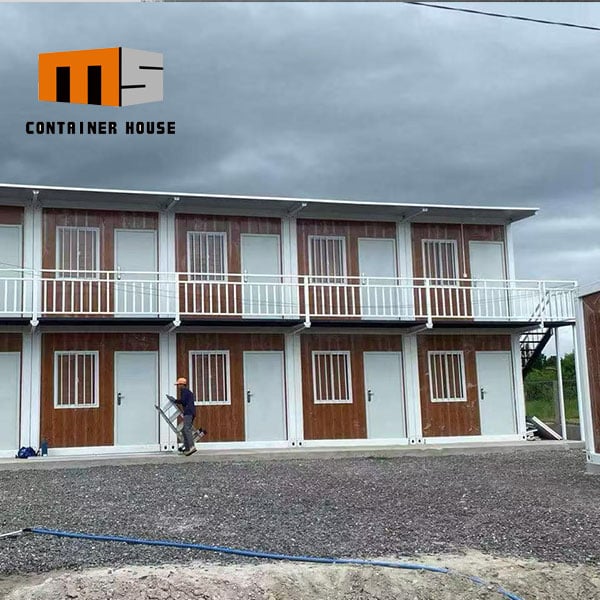
The global construction industry is witnessing a revolutionary shift toward sustainable and affordable housing solutions, with container house manufacturers leading this transformation. These innovative companies are converting shipping containers into modern, functional living spaces that address housing shortages while promoting environmental sustainability. As urbanization accelerates worldwide, the demand for quick-deployment housing solutions has created unprecedented opportunities for container house manufacturers to showcase their expertise and advanced manufacturing capabilities.
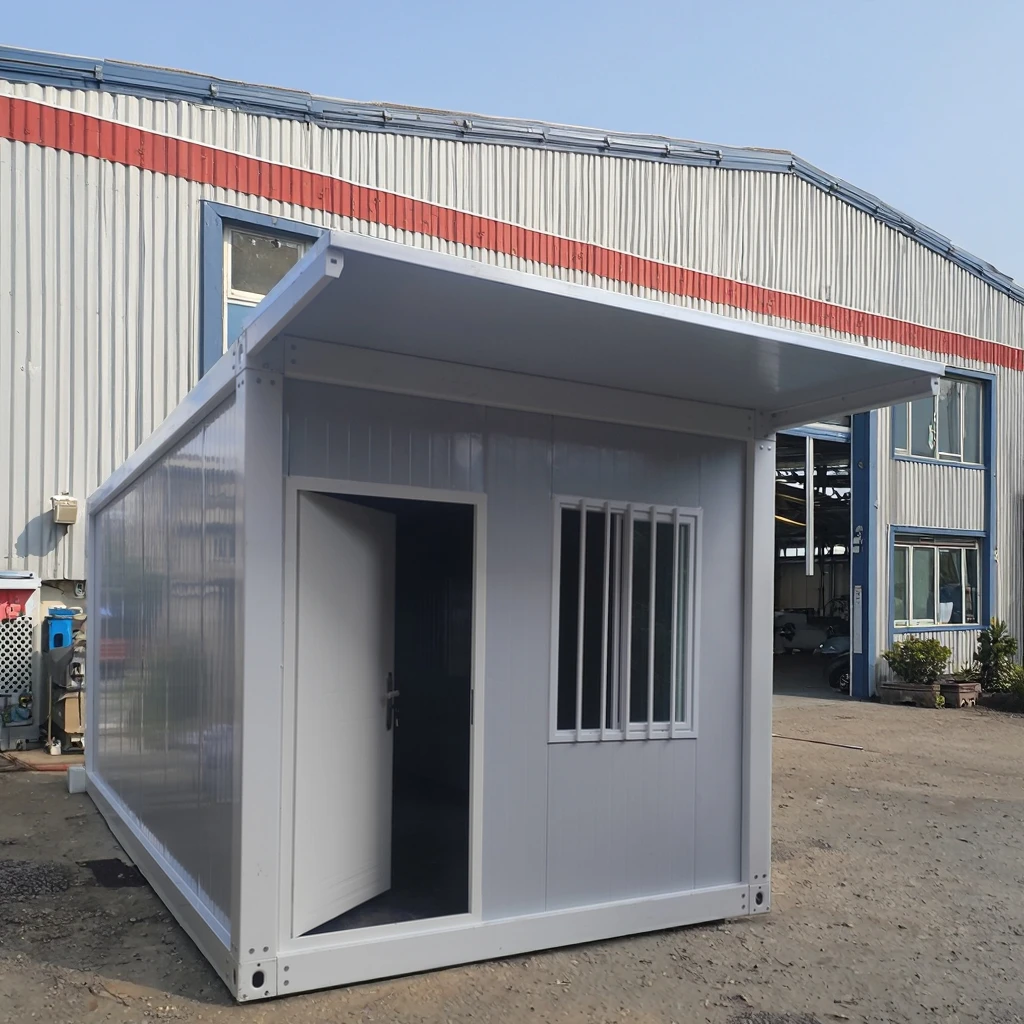
The container housing market has evolved significantly since its inception, transforming from basic shelter solutions to sophisticated residential and commercial structures. Modern container house manufacturers utilize advanced engineering techniques, premium materials, and innovative design approaches to create buildings that rival traditional construction in both aesthetics and functionality. This comprehensive guide explores the leading container house manufacturers shaping the industry in 2026, examining their unique strengths, market positioning, and contributions to the global housing revolution.
Market Leadership and Industry Innovation
Global Market Dynamics
The container housing industry has experienced exponential growth, with market valuations reaching unprecedented levels as governments and private sectors recognize the potential of modular construction. Leading container house manufacturers have capitalized on this trend by investing heavily in research and development, establishing strategic partnerships, and expanding their global footprint. These companies understand that success in this competitive landscape requires continuous innovation, superior quality control, and the ability to deliver customized solutions that meet diverse client requirements across multiple market segments.
Industry leaders distinguish themselves through their comprehensive approach to container housing, offering everything from basic residential units to complex multi-story commercial developments. The most successful container house manufacturers have developed proprietary manufacturing processes that significantly reduce construction timelines while maintaining exceptional quality standards. Their facilities incorporate cutting-edge automation technologies, precision engineering equipment, and rigorous quality assurance protocols that ensure every container house meets international building codes and safety regulations.
Technology Integration and Manufacturing Excellence
The technological revolution has fundamentally transformed how container house manufacturers approach design, production, and assembly processes. Advanced computer-aided design software enables manufacturers to create highly detailed 3D models that clients can visualize before construction begins, reducing errors and ensuring customer satisfaction. Modern production facilities utilize robotic welding systems, precision cutting equipment, and automated finishing processes that enhance consistency while reducing labor costs and production timelines.
Leading manufacturers have also embraced sustainable manufacturing practices, implementing energy-efficient production methods and utilizing recycled materials wherever possible. These innovations not only reduce environmental impact but also help container house manufacturers maintain competitive pricing while delivering superior products. The integration of smart home technologies, energy-efficient systems, and advanced insulation materials has elevated container houses from basic shelters to sophisticated living spaces that appeal to environmentally conscious consumers and forward-thinking developers.
Regional Market Leaders and Specializations
Asian Manufacturing Powerhouses
Asia has emerged as a dominant force in the container housing industry, with several container house manufacturers establishing themselves as global leaders through strategic investments in manufacturing infrastructure and technological innovation. Chinese manufacturers, in particular, have leveraged their extensive manufacturing experience and cost advantages to capture significant market share while continuously improving product quality and design sophistication. These companies have developed comprehensive supply chains that enable them to offer competitive pricing without compromising on quality or delivery timelines.
The success of Asian container house manufacturers stems from their ability to scale production efficiently while maintaining strict quality control standards. Many of these companies operate large-scale manufacturing facilities equipped with state-of-the-art equipment and employ thousands of skilled workers who specialize in container conversion processes. Their expertise extends beyond basic residential units to include specialized applications such as disaster relief housing, temporary worker accommodations, and portable office solutions that serve diverse market needs across multiple industries.
European Innovation and Design Excellence
European container house manufacturers have carved out a distinctive market position by focusing on premium design aesthetics, advanced sustainability features, and innovative architectural solutions. These companies often collaborate with renowned architects and designers to create container houses that challenge traditional perceptions of modular construction. Their products typically feature sophisticated interior finishes, energy-efficient systems, and cutting-edge technologies that appeal to affluent buyers seeking unique and environmentally responsible housing options.
The European approach to container housing emphasizes customization and architectural innovation, with many manufacturers offering bespoke design services that transform client visions into reality. These container house manufacturers have developed specialized expertise in creating multi-story structures, complex building configurations, and integrated smart home systems that position their products in the luxury segment of the container housing market.
Product Categories and Applications
Residential Container Solutions
The residential segment represents the largest market opportunity for container house manufacturers, encompassing everything from single-family homes to multi-unit housing developments. Modern residential container houses feature open floor plans, large windows, premium fixtures, and sophisticated HVAC systems that create comfortable living environments comparable to traditional housing. Leading manufacturers offer extensive customization options, allowing buyers to select finishes, layouts, and features that reflect their personal preferences and lifestyle requirements.
Container house manufacturers have developed innovative solutions for common residential challenges, including sound insulation, thermal efficiency, and moisture control. Advanced insulation systems, double-glazed windows, and vapor barriers ensure that container homes provide year-round comfort in various climate conditions. Many manufacturers also offer integrated renewable energy systems, water recycling technologies, and smart home automation that appeal to environmentally conscious homeowners seeking sustainable living solutions.
Commercial and Industrial Applications
The commercial sector has emerged as a rapidly growing market for container house manufacturers, driven by businesses seeking flexible, cost-effective building solutions that can be deployed quickly and relocated as needed. Office complexes, retail spaces, restaurants, and hospitality facilities constructed from shipping containers offer unique architectural appeal while providing functional workspace solutions. These applications demonstrate the versatility of container construction and highlight the expertise of manufacturers who can adapt their products to meet diverse commercial requirements.
Industrial applications represent another significant opportunity for container house manufacturers, particularly in sectors requiring temporary or portable facilities. Mining companies, construction firms, and energy companies utilize container-based accommodations, offices, and support facilities at remote job sites where traditional construction would be impractical or cost-prohibitive. The ability to prefabricate these structures in controlled factory environments ensures consistent quality while reducing on-site construction time and associated risks.
Quality Standards and Certification Requirements
International Building Codes and Compliance
Reputable container house manufacturers must navigate complex regulatory environments and ensure their products comply with local building codes, safety standards, and environmental regulations. This requires extensive knowledge of construction standards across different markets and the ability to adapt products to meet specific regional requirements. Leading manufacturers invest significantly in regulatory compliance, working closely with certification bodies and building authorities to obtain necessary approvals and maintain their reputation for quality and safety.
The certification process for container houses involves rigorous testing of structural integrity, fire resistance, insulation performance, and electrical systems. Container house manufacturers must document their manufacturing processes, maintain detailed quality records, and submit to regular inspections to maintain their certifications. This commitment to compliance not only ensures customer safety but also enables manufacturers to access broader markets and compete for larger projects that require certified building solutions.
Quality Assurance and Manufacturing Standards
Leading container house manufacturers implement comprehensive quality management systems that govern every aspect of their operations, from material procurement to final delivery. These systems include strict supplier qualification processes, incoming material inspections, in-process quality checks, and final product testing that ensures consistent quality across all production batches. Many manufacturers have achieved ISO certifications and other quality standards that demonstrate their commitment to excellence and continuous improvement.
The most successful container house manufacturers have developed proprietary quality control protocols that exceed industry standards and provide customers with confidence in their investment. These protocols include detailed checklists for each production stage, photographic documentation of construction progress, and comprehensive testing of all systems before delivery. Regular audits, customer feedback analysis, and continuous improvement initiatives help these manufacturers maintain their competitive advantage and reputation for delivering exceptional products.
Market Trends and Future Developments
Sustainability and Environmental Impact
Environmental sustainability has become a primary driver of innovation among container house manufacturers, who recognize that their products offer inherent environmental advantages through the repurposing of shipping containers and reduced construction waste. Leading manufacturers are investing in renewable energy integration, sustainable materials, and carbon-neutral production processes that appeal to environmentally conscious consumers and support global sustainability goals. These initiatives not only reduce environmental impact but also position manufacturers as responsible industry leaders committed to positive change.
The circular economy principles have gained significant traction among container house manufacturers, who are developing closed-loop systems that minimize waste and maximize resource efficiency. This includes partnerships with recycling facilities, development of recyclable building materials, and design approaches that facilitate end-of-life disassembly and material recovery. These sustainable practices help manufacturers differentiate their products in an increasingly competitive market while contributing to broader environmental conservation efforts.
Technology Integration and Smart Features
The integration of smart technologies has become a key differentiator for forward-thinking container house manufacturers who understand that modern consumers expect connected, intelligent living spaces. Advanced home automation systems, energy management technologies, and integrated security features are becoming standard offerings that enhance the appeal and functionality of container houses. These technologies enable remote monitoring, automated climate control, and predictive maintenance that improve the user experience while reducing operational costs.
Emerging technologies such as artificial intelligence, Internet of Things sensors, and advanced materials science are creating new opportunities for container house manufacturers to innovate and expand their product offerings. These technologies enable predictive analytics for maintenance scheduling, optimized energy consumption, and enhanced safety features that position container houses as cutting-edge housing solutions rather than basic shelter alternatives. Manufacturers who successfully integrate these technologies will likely capture increased market share and command premium pricing for their advanced products.
Selection Criteria for Choosing Container House Manufacturers
Manufacturing Capability and Experience
When evaluating container house manufacturers, prospective buyers should carefully assess manufacturing capabilities, production capacity, and relevant experience in their specific application area. Established manufacturers with extensive track records demonstrate their ability to deliver consistent quality, meet deadlines, and provide ongoing support throughout the project lifecycle. Production capacity considerations include the manufacturer's ability to handle project scale, timeline requirements, and any specialized features or customizations that may be required.
Experience in specific market segments can be crucial for project success, as different applications require specialized knowledge and expertise. Container house manufacturers who have successfully completed similar projects can provide valuable insights, identify potential challenges, and recommend solutions that optimize project outcomes. References from previous clients, case studies of completed projects, and site visits to manufacturing facilities can provide important information for making informed selection decisions.
Financial Stability and Support Services
The financial stability of container house manufacturers is a critical consideration, particularly for large-scale projects that require significant investment and extended timelines. Financially stable manufacturers are better positioned to weather economic uncertainties, invest in continuous improvement, and provide long-term support for their products. This stability also ensures that warranty commitments will be honored and that spare parts and service support will remain available throughout the product lifecycle.
Comprehensive support services differentiate leading container house manufacturers from their competitors and provide customers with confidence in their investment. These services may include design consultation, project management, installation support, training programs, and ongoing maintenance services. Manufacturers who offer complete solutions rather than just products typically provide better value and reduce project risks by taking responsibility for successful project outcomes.
FAQ
What factors should be considered when selecting container house manufacturers for large-scale projects?
When selecting container house manufacturers for large-scale projects, consider their production capacity, financial stability, relevant experience, and ability to meet project timelines. Evaluate their quality management systems, certifications, and references from similar projects. Additionally, assess their support services, customization capabilities, and long-term commitment to the container housing industry. Financial stability is particularly important for large projects, as it ensures the manufacturer can complete the project and provide ongoing support.
How do leading container house manufacturers ensure quality and compliance with building codes?
Leading container house manufacturers implement comprehensive quality management systems that include rigorous material inspections, in-process quality checks, and final product testing. They work closely with certification bodies and building authorities to ensure compliance with local codes and regulations. Many manufacturers maintain ISO certifications and other quality standards, conduct regular audits, and document all manufacturing processes to demonstrate compliance and maintain their reputation for quality and safety.
What are the key advantages of working with established container house manufacturers versus newer companies?
Established container house manufacturers offer proven track records, extensive experience, and refined manufacturing processes that reduce project risks and ensure consistent quality. They typically have better financial stability, more comprehensive support services, and established relationships with suppliers and regulatory authorities. While newer companies may offer competitive pricing, established manufacturers provide greater confidence in project success, warranty support, and long-term viability of their products.
How are container house manufacturers adapting to sustainability requirements and environmental regulations?
Modern container house manufacturers are embracing sustainability through multiple initiatives, including the use of recycled materials, energy-efficient production processes, and renewable energy integration. They are developing products with superior insulation, smart home technologies, and carbon-neutral manufacturing processes. Many manufacturers have adopted circular economy principles, focusing on material recyclability and end-of-life considerations. These efforts help them meet increasingly stringent environmental regulations while appealing to environmentally conscious consumers and developers.
Table of Contents
- Market Leadership and Industry Innovation
- Regional Market Leaders and Specializations
- Product Categories and Applications
- Quality Standards and Certification Requirements
- Market Trends and Future Developments
- Selection Criteria for Choosing Container House Manufacturers
-
FAQ
- What factors should be considered when selecting container house manufacturers for large-scale projects?
- How do leading container house manufacturers ensure quality and compliance with building codes?
- What are the key advantages of working with established container house manufacturers versus newer companies?
- How are container house manufacturers adapting to sustainability requirements and environmental regulations?