 EN
EN
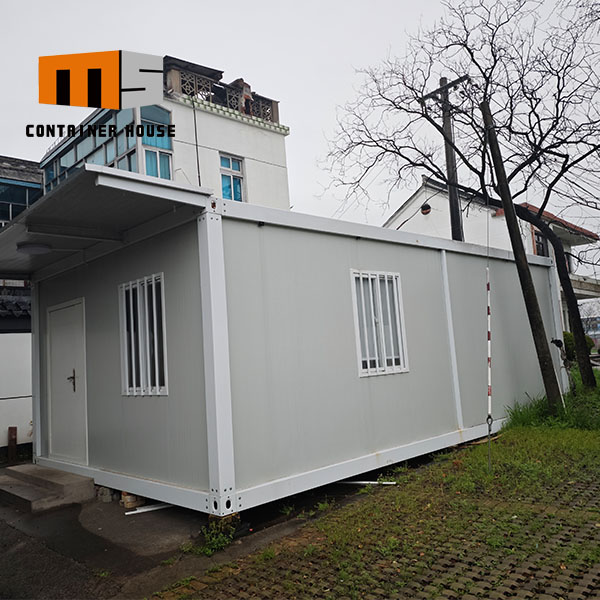
The housing industry has witnessed a significant transformation in recent years, with innovative construction methods challenging conventional building practices. As homebuyers seek efficient, cost-effective, and sustainable housing solutions, the debate between modular house construction and traditional home building has become increasingly relevant. This comprehensive analysis explores the fundamental differences, advantages, and considerations that will help you make an informed decision about your next residential investment. Understanding these options is crucial for anyone looking to build or purchase a new home in today's evolving market.
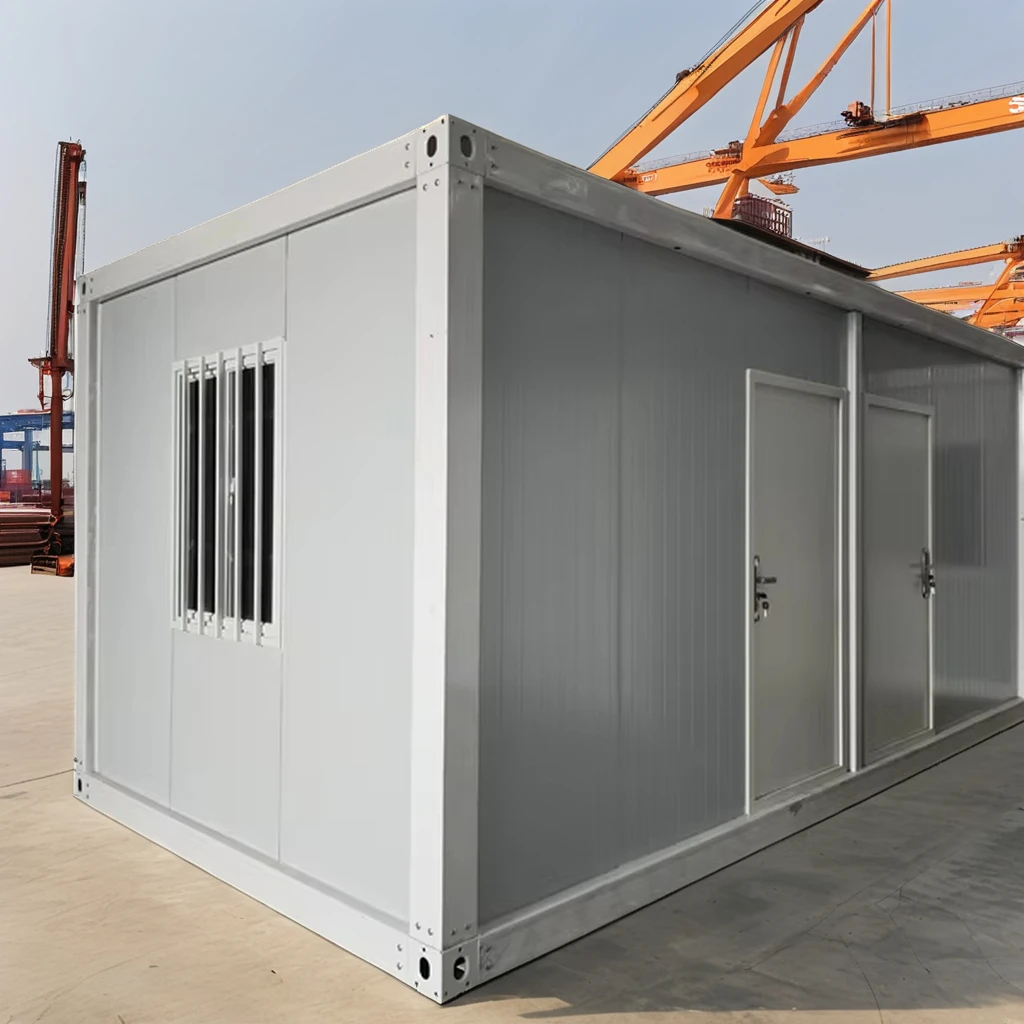
Understanding Modular House Construction
Definition and Manufacturing Process
A modular house represents a revolutionary approach to residential construction, where homes are built in controlled factory environments before being transported and assembled on-site. This manufacturing process involves creating standardized sections or modules that are precisely engineered to meet strict quality standards. Each modular house component undergoes rigorous inspection and quality control measures that surpass traditional construction oversight. The factory setting allows for consistent weather protection, specialized equipment usage, and skilled craftsman efficiency that is difficult to replicate in field construction.
The modular house construction process typically involves computer-aided design systems that ensure precise measurements and material optimization. Advanced manufacturing techniques enable the integration of modern systems including plumbing, electrical, and HVAC components during the factory assembly phase. This systematic approach reduces waste, improves energy efficiency, and maintains consistent build quality across all units. Factory construction also allows for better inventory management and supply chain optimization, contributing to overall cost savings.
Structural Integrity and Engineering Standards
Modern modular house designs meet or exceed traditional building codes and engineering requirements in most jurisdictions. The factory construction environment enables enhanced structural integrity through precise joint connections, consistent material quality, and advanced fastening systems. Modular houses are engineered to withstand transportation stresses, which often results in structures that are inherently stronger than site-built alternatives. The controlled manufacturing environment ensures that each component meets exact specifications without weather-related complications or material degradation.
Quality assurance in modular house production involves multiple inspection checkpoints throughout the manufacturing process. Structural components are tested for load-bearing capacity, weather resistance, and long-term durability before leaving the factory. This comprehensive quality control system provides homeowners with confidence in their investment while often exceeding the reliability standards of traditional construction methods. The engineering precision achieved in factory settings translates to superior performance characteristics and reduced maintenance requirements over the home's lifetime.
Traditional Home Construction Overview
Conventional Building Methods
Traditional home construction follows time-tested methods that have evolved over centuries, involving on-site assembly of materials using established craftsmanship techniques. This approach allows for unlimited customization possibilities and architectural flexibility that can accommodate unique site conditions and personal preferences. Traditional construction relies heavily on skilled tradespeople who bring specialized expertise to each phase of the building process. The sequential nature of traditional building allows for modifications and adjustments throughout construction, providing flexibility that many homeowners value.
The traditional construction process involves multiple phases including foundation work, framing, roofing, and finishing trades that occur in a predetermined sequence. Weather conditions significantly impact construction timelines and quality outcomes, as most work occurs in outdoor environments. Material delivery and storage on construction sites require careful coordination to prevent damage and ensure availability when needed. This construction method has produced countless successful residential projects and remains the preferred choice for many builders and homeowners who prioritize customization and established practices.
Craftsmanship and Customization Benefits
Traditional home construction offers unparalleled opportunities for architectural customization and unique design implementations. Skilled craftspeople can create intricate details, custom millwork, and specialized features that reflect individual preferences and local architectural styles. The flexibility to modify plans during construction allows homeowners to make adjustments based on evolving needs or discovered opportunities. Traditional construction methods can accommodate irregular lot shapes, challenging topography, and unique site conditions that might pose difficulties for standardized modular approaches.
Artisan craftsmanship in traditional construction creates distinctive character and charm that many homeowners desire in their residences. Custom woodwork, stonework, and specialized finishes can be incorporated without the constraints imposed by factory manufacturing limitations. The ability to source local materials and employ regional building techniques often results in homes that blend seamlessly with their surrounding environments. Traditional construction also supports local economies by utilizing regional suppliers, contractors, and skilled tradespeople throughout the building process.
Cost Analysis and Financial Considerations
Initial Investment Comparison
The financial implications of choosing between a modular house and traditional construction extend beyond simple purchase price comparisons. Modular house construction typically offers cost advantages through factory efficiency, bulk material purchasing, and reduced labor requirements. The streamlined production process eliminates many variables that contribute to cost overruns in traditional construction projects. Factory-built homes benefit from economies of scale, standardized processes, and reduced waste that translates to lower overall construction costs.
Traditional construction costs can vary significantly based on customization levels, material choices, and local labor markets. While initial costs may be higher due to on-site inefficiencies and weather delays, traditional construction offers the potential for value-driven customizations that may increase long-term property values. The complexity of traditional construction requires detailed cost estimation and careful project management to avoid budget overruns. Market conditions, seasonal variations, and local building codes can significantly impact traditional construction costs in ways that affect modular house projects less dramatically.
Long-term Value and Investment Returns
Property appreciation potential differs between modular house and traditional construction based on market perceptions, build quality, and local real estate trends. High-quality modular houses have demonstrated strong resale values in many markets, particularly as consumer awareness of their benefits increases. The consistent quality and energy efficiency of modern modular house construction can contribute to lower operating costs and attractive resale propositions. Investment returns depend heavily on local market conditions, buyer preferences, and the specific quality of construction regardless of building method.
Traditional homes often benefit from established market acceptance and proven track records of appreciation in most residential markets. The customization possibilities in traditional construction can create unique value propositions that appeal to specific buyer segments. However, the quality variations inherent in site-built construction can also create risks that may impact long-term value. Both construction methods can produce excellent investment returns when properly executed and suited to their target markets.
Construction Timeline and Project Management
Speed of Construction
Timeline efficiency represents one of the most significant advantages of modular house construction over traditional building methods. Factory production occurs simultaneously with site preparation, dramatically reducing overall project duration. A typical modular house project can be completed in weeks rather than months, allowing families to occupy their new homes much sooner. Weather independence in factory settings eliminates seasonal delays that commonly impact traditional construction schedules.
Traditional construction timelines depend heavily on weather conditions, material availability, and subcontractor scheduling coordination. Sequential construction phases mean that delays in one area cascade through subsequent work phases, potentially extending project timelines significantly. Seasonal limitations, particularly in northern climates, can halt construction progress for months during winter conditions. The coordination complexity required for traditional construction increases the likelihood of scheduling conflicts and project delays.
Quality Control and Consistency
Factory-controlled environments provide superior quality control opportunities compared to traditional on-site construction. Modular house production occurs in climate-controlled facilities with specialized equipment and consistent working conditions. Quality inspections occur at multiple stages throughout the manufacturing process, ensuring compliance with design specifications and building codes. The controlled environment eliminates weather-related quality issues such as moisture damage, material warping, and temperature-related installation problems.
Traditional construction quality depends heavily on individual craftsperson skills, weather conditions, and on-site supervision effectiveness. Variable working conditions, material exposure, and coordination challenges can introduce quality inconsistencies that may not become apparent until years later. However, experienced contractors and skilled tradespeople can deliver exceptional quality in traditional construction when proper oversight and quality control measures are implemented. The key difference lies in the consistency and predictability of quality outcomes between the two construction methods.
Environmental Impact and Sustainability
Resource Efficiency and Waste Reduction
Environmental considerations increasingly influence housing decisions, with modular house construction offering significant sustainability advantages. Factory production enables precise material calculations, optimized cutting patterns, and systematic waste reduction strategies that minimize environmental impact. The controlled manufacturing environment allows for comprehensive recycling programs and waste stream management that is difficult to achieve on traditional construction sites. Material efficiency in modular house production typically results in waste reduction of thirty to fifty percent compared to site-built alternatives.
Energy efficiency in factory operations and transportation logistics contribute to the overall environmental benefits of modular house construction. Centralized production facilities can implement renewable energy systems, efficient heating and cooling, and optimized workflow patterns that reduce carbon footprints. The reduced construction timeline also minimizes site disturbance and environmental disruption in residential neighborhoods. Quality control advantages translate to longer building lifespans and reduced maintenance requirements that further enhance environmental benefits.
Energy Performance and Green Building
Modern modular house designs frequently incorporate advanced energy efficiency features and green building technologies. Factory installation of insulation, air sealing systems, and high-performance windows ensures consistent implementation of energy-saving measures. The precision manufacturing environment enables optimal integration of renewable energy systems, efficient HVAC equipment, and smart home technologies. Many modular house manufacturers offer green building certifications and energy performance guarantees that exceed traditional construction standards.
Traditional construction can achieve excellent energy performance through skilled implementation and quality materials, but consistency varies significantly between projects and builders. Green building practices in traditional construction require careful coordination and specialized expertise that may not be available in all markets. The advantage of modular house construction lies in the standardization and quality control that ensures consistent energy performance across all units. Both construction methods can achieve high environmental standards when properly designed and executed.
Financing and Insurance Considerations
Mortgage and Lending Options
Financing options for modular house purchases have evolved significantly as lenders recognize the quality and value of factory-built construction. Most conventional mortgage programs now treat modular houses identically to traditional site-built homes when they meet standard building codes and permanent foundation requirements. The key distinction lies in ensuring that the modular house qualifies as real property rather than personal property, which affects financing terms and interest rates.
Traditional home financing follows established protocols that lenders understand and readily support. Construction loans for traditional builds typically involve progressive funding releases tied to completion milestones and inspections. The familiarity of traditional construction among lenders, appraisers, and insurance providers creates smoother transaction processes. However, both construction methods can access competitive financing when working with knowledgeable lenders who understand the specific requirements and benefits of each approach.
Insurance Coverage and Risk Assessment
Insurance considerations for modular house construction focus on ensuring adequate coverage during transportation and installation phases. Most insurance carriers provide standard homeowners coverage for completed modular houses that meet local building codes and permanent foundation requirements. The factory construction quality control often results in lower risk profiles that may translate to favorable insurance rates. Risk assessment for modular houses considers construction quality, installation procedures, and local environmental factors.
Traditional construction insurance involves protecting against risks during the extended construction period including weather damage, theft, and construction defects. Builder's risk insurance and liability coverage are essential components of traditional construction projects. The longer construction timeline increases exposure to various risks that must be managed through appropriate insurance coverage. Both construction methods require comprehensive insurance planning to protect investments and ensure proper coverage throughout the building and occupancy phases.
Market Acceptance and Resale Considerations
Consumer Perceptions and Market Trends
Market acceptance of modular house construction continues to grow as consumers become more educated about quality, efficiency, and value benefits. Younger generations particularly appreciate the sustainability aspects, shorter timelines, and cost effectiveness of factory-built construction. Professional marketing and education efforts by industry organizations have helped overcome historical stigmas associated with manufactured housing. Contemporary modular house designs rival traditional architecture in aesthetic appeal and functionality.
Traditional construction maintains strong market acceptance based on historical precedent and consumer familiarity. Many buyers prefer the customization possibilities and established track record of site-built homes. Regional preferences vary significantly, with some markets showing stronger acceptance of alternative construction methods. Market education and demonstration projects continue to expand acceptance of modular house construction across diverse demographic segments.
Appraisal and Valuation Factors
Real estate appraisal processes for modular house construction require appraisers familiar with factory-built construction methods and quality standards. Comparable sales data and market analysis must consider construction quality, design features, and local market conditions. The standardization inherent in modular house construction can facilitate more predictable appraisal outcomes when adequate comparable properties exist. Appraisal challenges may arise in markets with limited modular house inventory or unfamiliarity among local appraisers.
Traditional home appraisals benefit from extensive comparable sales data and established valuation methodologies. The customization possibilities in traditional construction can create unique value propositions that may be difficult to quantify through standard appraisal processes. Market maturity and appraiser experience with traditional construction generally result in more straightforward valuation processes. Both construction methods require skilled appraisal professionals who understand the specific characteristics and market factors affecting property values.
FAQ
How long does a modular house last compared to a traditional home
A well-constructed modular house can last just as long as a traditional home, typically 50-100 years or more with proper maintenance. The factory-controlled environment often results in superior construction quality and consistency that can enhance longevity. Both construction methods depend on quality materials, proper installation, and regular maintenance for optimal lifespan. The key factor is the quality of construction rather than the building method itself.
Can modular houses be customized like traditional homes
Modern modular house manufacturers offer extensive customization options including floor plans, finishes, fixtures, and architectural features. While customization possibilities may be somewhat constrained by manufacturing processes, many manufacturers can accommodate unique requirements and design preferences. The level of customization available depends on the specific manufacturer and their production capabilities. Some limitations exist compared to traditional construction, but most buyer preferences can be accommodated.
Do modular houses require special permits or inspections
Modular houses must comply with the same local building codes and permit requirements as traditional construction. Factory construction typically involves additional inspections during manufacturing, while local building departments inspect site preparation, installation, and final completion. The regulatory process may vary by jurisdiction, but most areas treat compliant modular houses identically to site-built homes. Working with experienced manufacturers and installers ensures proper permit and inspection coordination.
Which construction method provides better energy efficiency
Both modular house and traditional construction can achieve excellent energy efficiency when properly designed and executed. Factory construction often provides advantages in consistent insulation installation, air sealing, and quality control that enhance energy performance. Traditional construction can incorporate high-performance features but depends more heavily on skilled installation and quality control measures. The specific energy efficiency achieved depends on design choices, materials selection, and construction quality regardless of building method.