
 EN
EN
The construction industry is experiencing a transformative shift toward sustainable building practices, with eco-friendly house manufacturers leading the charge in revolutionizing residential construction. As environmental concerns intensify and energy costs continue to rise, homeowners and developers are increasingly seeking construction partners who prioritize sustainability without compromising quality or design. Modern house manufacturers have responded by developing innovative building techniques that minimize environmental impact while maximizing energy efficiency and durability. This comprehensive guide explores how eco-friendly house manufacturers are reshaping the residential construction landscape through advanced materials, sustainable practices, and cutting-edge technologies that benefit both homeowners and the environment.
Understanding Eco-Friendly Manufacturing Principles
Sustainable Material Selection
Contemporary house manufacturers prioritize materials that demonstrate minimal environmental impact throughout their lifecycle. These forward-thinking companies select recycled steel, sustainably harvested timber, low-emission insulation, and non-toxic finishes that contribute to healthier indoor environments. The material selection process involves comprehensive lifecycle assessments that evaluate extraction, production, transportation, installation, and eventual disposal or recycling phases. Advanced house manufacturers often maintain partnerships with certified sustainable suppliers, ensuring their material chains meet strict environmental standards.
Energy-efficient materials represent another cornerstone of sustainable manufacturing. High-performance insulation systems, advanced window technologies, and reflective roofing materials help reduce long-term energy consumption. These materials often carry higher upfront costs but deliver significant savings through reduced heating and cooling expenses over the building's lifespan. Professional house manufacturers understand that material quality directly impacts both environmental performance and customer satisfaction.
Energy-Efficient Production Methods
Modern manufacturing facilities operated by leading house manufacturers incorporate renewable energy systems, efficient machinery, and waste reduction protocols. Solar panels, wind turbines, and geothermal systems power production operations, significantly reducing carbon footprints associated with manufacturing processes. Advanced machinery optimization ensures minimal material waste while maximizing production efficiency. These facilities often achieve carbon-neutral or carbon-negative operations through strategic energy management.
Waste management systems implemented by responsible house manufacturers include comprehensive recycling programs, material reuse initiatives, and partnerships with waste-to-energy facilities. Offcuts and surplus materials find new applications in future projects or get processed into secondary products. Water conservation systems capture and treat manufacturing wastewater for reuse, minimizing fresh water consumption and reducing environmental discharge.
Green Building Technologies and Innovations
Smart Home Integration
Leading house manufacturers now integrate smart home technologies that optimize energy consumption, monitor environmental conditions, and provide homeowners with detailed performance data. These systems include programmable thermostats, automated lighting controls, energy monitoring dashboards, and integrated renewable energy management platforms. Smart technologies enable homeowners to maximize their home's efficiency while minimizing environmental impact through data-driven decision making.
Advanced building automation systems coordinate heating, cooling, lighting, and ventilation systems to maintain optimal comfort while minimizing energy waste. Machine learning algorithms adapt to occupancy patterns and weather conditions, automatically adjusting systems for maximum efficiency. These innovations position eco-friendly house manufacturers at the forefront of residential technology integration.
Renewable Energy Integration
Progressive house manufacturers design homes with integrated renewable energy systems that reduce dependence on traditional utility grids. Solar panel arrays, battery storage systems, and micro-inverters work together to create self-sufficient energy ecosystems. These systems often generate surplus energy that can be sold back to utility companies, creating additional value for homeowners while supporting grid stability.
Geothermal heating and cooling systems represent another innovation embraced by environmentally conscious house manufacturers. These systems leverage stable underground temperatures to provide efficient climate control with minimal electricity consumption. Ground-source heat pumps can reduce heating and cooling costs by up to sixty percent compared to traditional HVAC systems while providing consistent comfort throughout all seasons.
Construction Process Optimization
Prefabrication Advantages
Prefabrication techniques employed by efficient house manufacturers significantly reduce construction waste, minimize site disruption, and accelerate project timelines. Factory-controlled environments enable precise material usage, consistent quality control, and weather-independent production schedules. These controlled conditions result in superior building performance and reduced construction-related environmental impacts.
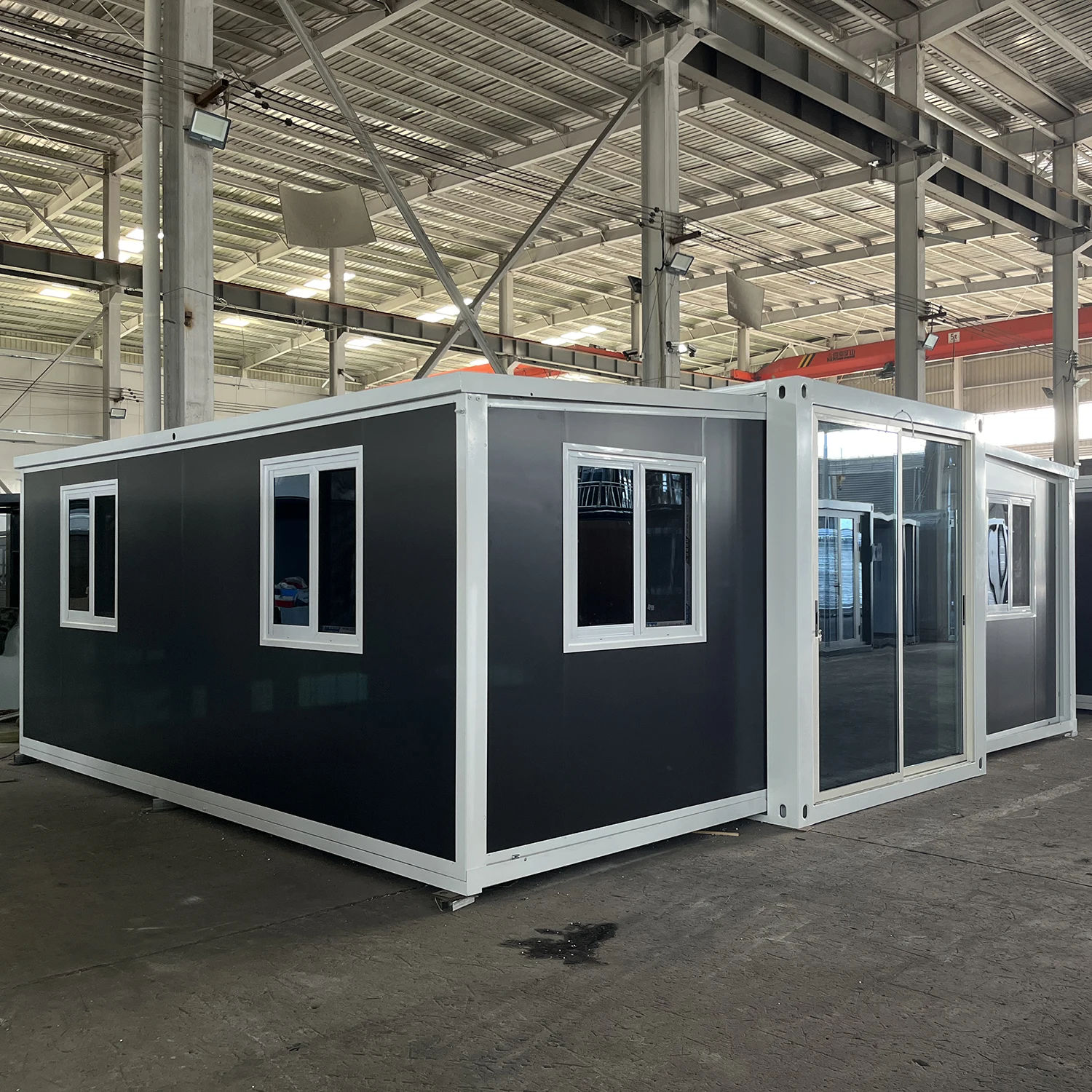
Modular construction approaches allow house manufacturers to create standardized components that can be customized for specific project requirements. This standardization reduces design costs, streamlines production processes, and enables bulk purchasing of sustainable materials. Quality control procedures in factory settings ensure consistent performance standards that often exceed those achieved through traditional on-site construction methods.
Waste Reduction Strategies
Innovative house manufacturers implement comprehensive waste reduction strategies that minimize material consumption and maximize resource efficiency. Computer-aided design systems optimize material usage, reducing offcuts and surplus materials. Just-in-time delivery systems ensure materials arrive when needed, reducing storage requirements and preventing weather-related damage that could necessitate replacement.
Deconstruction planning integrated into initial design phases enables future material recovery and reuse. House manufacturers design connections and assemblies that facilitate disassembly, allowing valuable materials to be recovered at the end of the building's service life. This circular approach to construction reduces long-term environmental impact and creates value from materials that would otherwise become waste.
Certification and Standards Compliance
Green Building Certifications
Reputable house manufacturers pursue third-party certifications that validate their environmental performance claims. LEED certification, ENERGY STAR ratings, and regional green building programs provide independent verification of sustainable practices and performance outcomes. These certifications require comprehensive documentation of materials, systems, and performance metrics that demonstrate measurable environmental benefits.
Certification processes typically involve design review, construction monitoring, and post-occupancy verification to ensure buildings perform as intended. House manufacturers who consistently achieve certifications demonstrate their commitment to continuous improvement and environmental stewardship. These credentials often influence purchasing decisions and can increase property values for homeowners.
Quality Assurance Systems
Professional house manufacturers maintain rigorous quality assurance systems that encompass material testing, production monitoring, and performance validation. These systems ensure consistent quality while identifying opportunities for process improvement and environmental impact reduction. Regular audits by internal and external assessors verify compliance with environmental standards and customer expectations.
Continuous improvement programs drive innovation and efficiency gains throughout manufacturing operations. House manufacturers collect performance data from completed projects, analyze customer feedback, and implement design modifications that enhance sustainability and performance. This iterative approach ensures products evolve to meet changing environmental standards and market demands.
Cost-Benefit Analysis
Initial Investment Considerations
While eco-friendly construction typically requires higher initial investments, experienced house manufacturers help clients understand long-term value propositions through comprehensive cost-benefit analyses. Energy-efficient systems, high-performance materials, and advanced technologies generate ongoing savings that often offset higher upfront costs within reasonable payback periods. These analyses consider utility savings, maintenance reductions, and potential tax incentives or rebates.
Financing options specifically designed for green construction help make sustainable homes more accessible to a broader range of buyers. Green mortgages, energy-efficient home loans, and utility rebate programs can significantly reduce effective project costs. Progressive house manufacturers often maintain relationships with specialized lenders who understand the value proposition of sustainable construction.
Long-term Value Creation
Sustainable homes constructed by reputable house manufacturers typically demonstrate superior resale values compared to conventional construction. Energy efficiency features, advanced systems, and environmental certifications appeal to environmentally conscious buyers who are willing to pay premiums for sustainable properties. Market trends indicate growing demand for energy-efficient homes as utility costs rise and environmental awareness increases.
Operational cost savings generated by efficient systems provide ongoing value throughout the building's lifecycle. Reduced utility bills, lower maintenance requirements, and extended system lifespans contribute to total cost of ownership advantages. House manufacturers who design for longevity help homeowners avoid premature replacement costs while maintaining optimal performance over decades of use.
Regional Considerations and Adaptations
Climate-Specific Design
Expert house manufacturers adapt their designs and material selections to optimize performance for specific regional climates and environmental conditions. Hot, humid climates require different insulation strategies, ventilation approaches, and moisture management systems compared to cold, dry regions. Understanding these regional variations enables manufacturers to deliver superior performance while minimizing environmental impact.
Local building codes, energy efficiency standards, and environmental regulations influence design decisions and material selections. House manufacturers who operate across multiple regions maintain expertise in diverse regulatory environments, ensuring compliance while maximizing sustainability benefits. This regional expertise enables optimized designs that perform efficiently in their intended environments.
Local Material Sourcing
Sustainable house manufacturers prioritize local material sourcing to reduce transportation-related environmental impacts while supporting regional economies. Local sourcing strategies require extensive supplier networks and quality verification systems to ensure materials meet performance and sustainability standards. These partnerships often result in reduced costs, shorter lead times, and enhanced supply chain reliability.
Regional material availability influences design decisions and construction techniques employed by adaptive house manufacturers. Locally abundant materials like timber, stone, or recycled content can be incorporated into designs that reflect regional character while minimizing environmental impact. This approach creates homes that are both sustainable and contextually appropriate for their locations.
Future Trends and Innovations
Emerging Technologies
Forward-thinking house manufacturers continuously evaluate emerging technologies that could enhance sustainability and performance in future projects. Advanced materials like bio-based insulation, self-healing concrete, and integrated photovoltaic systems represent potential game-changers for sustainable construction. Research partnerships with universities and technology companies enable manufacturers to stay ahead of industry developments.
Artificial intelligence and machine learning applications are beginning to influence design optimization, energy management, and predictive maintenance systems. These technologies enable house manufacturers to create increasingly efficient buildings that adapt to occupant behavior and environmental conditions. Integration of Internet of Things sensors and cloud-based analytics platforms provides unprecedented insights into building performance.
Regulatory Evolution
Evolving environmental regulations and building codes drive continuous innovation among responsible house manufacturers. Stricter energy efficiency requirements, carbon reduction mandates, and material sustainability standards push the industry toward increasingly sustainable practices. Manufacturers who proactively exceed current requirements position themselves advantageously for future regulatory changes.
International sustainability standards and global best practices influence local regulations and market expectations. House manufacturers who maintain awareness of global trends can incorporate proven innovations into their products while preparing for future regulatory requirements. This proactive approach ensures continued compliance and competitive advantage in evolving markets.
FAQ
How do eco-friendly house manufacturers ensure building quality while maintaining sustainability?
Professional house manufacturers implement comprehensive quality assurance systems that encompass material testing, production monitoring, and performance validation. Factory-controlled environments enable precise construction techniques and consistent quality standards. Third-party certifications verify both environmental performance and structural integrity. Advanced materials used in sustainable construction often exceed performance characteristics of conventional materials, providing superior durability and longevity while maintaining environmental benefits.
What cost savings can homeowners expect from eco-friendly manufactured homes?
Homeowners typically experience thirty to fifty percent reductions in energy costs through efficient systems and high-performance materials. Water conservation features can reduce utility bills by fifteen to twenty percent. Lower maintenance requirements for quality materials and systems reduce long-term ownership costs. Tax incentives, utility rebates, and green financing options can offset higher initial investments. Resale value premiums for certified green homes often range from five to fifteen percent above comparable conventional properties.
How do house manufacturers adapt their products for different climate zones?
Experienced house manufacturers modify insulation strategies, ventilation systems, and material selections based on regional climate data and local building codes. Hot climates receive enhanced cooling system efficiency, superior solar heat gain control, and moisture management features. Cold climates benefit from advanced insulation systems, efficient heating equipment, and thermal bridge elimination. Manufacturers maintain regional expertise and supplier networks to ensure optimal performance in diverse environmental conditions while meeting local regulatory requirements.
What certifications should buyers look for when selecting eco-friendly house manufacturers?
Buyers should seek house manufacturers with LEED certification capabilities, ENERGY STAR partnership status, and compliance with regional green building programs. ISO 14001 environmental management system certifications demonstrate commitment to sustainable practices. Professional certifications like Certified Green Professional or LEED Accredited Professional indicate specialized expertise. Third-party verified sustainability claims provide greater confidence than self-reported environmental benefits. Manufacturers should provide documentation of material sourcing, energy modeling, and post-occupancy performance verification capabilities.
Table of Contents
- Understanding Eco-Friendly Manufacturing Principles
- Green Building Technologies and Innovations
- Construction Process Optimization
- Certification and Standards Compliance
- Cost-Benefit Analysis
- Regional Considerations and Adaptations
- Future Trends and Innovations
-
FAQ
- How do eco-friendly house manufacturers ensure building quality while maintaining sustainability?
- What cost savings can homeowners expect from eco-friendly manufactured homes?
- How do house manufacturers adapt their products for different climate zones?
- What certifications should buyers look for when selecting eco-friendly house manufacturers?