 EN
EN
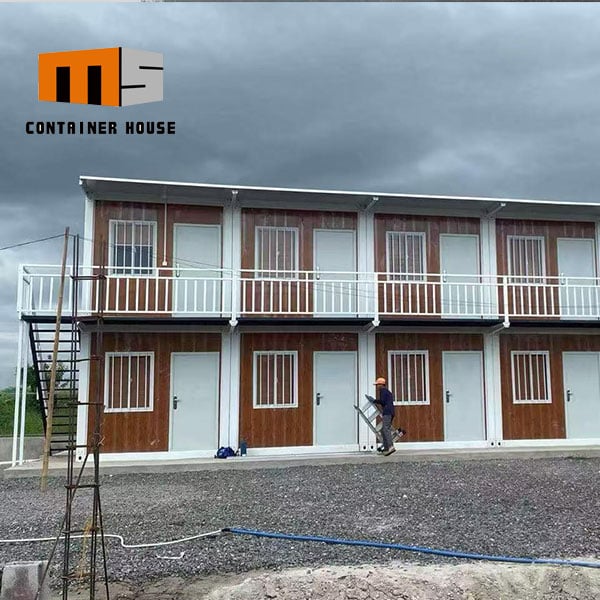
The global construction industry has witnessed a remarkable transformation with the rise of modular and sustainable building solutions. Among these innovations, container house manufacturers have emerged as key players, offering cost-effective and environmentally friendly housing alternatives. Two dominant markets have shaped this industry: the United States and China, each bringing distinct advantages, manufacturing capabilities, and market approaches that define the modern container housing landscape.

The competition between American and Chinese container house manufacturers reflects broader economic trends and manufacturing philosophies. While US-based companies emphasize premium materials, advanced automation, and strict regulatory compliance, Chinese manufacturers leverage scale economies, competitive pricing, and rapid production capabilities. This fundamental difference creates a complex marketplace where buyers must carefully evaluate their priorities, project requirements, and long-term objectives when selecting manufacturing partners.
Understanding the nuances between these two manufacturing powerhouses becomes crucial for developers, contractors, and individual buyers seeking optimal container housing solutions. The decision impacts not only initial investment costs but also delivery timelines, quality standards, customization options, and ongoing maintenance requirements. As the container housing market continues expanding globally, the strategic positioning of US and Chinese manufacturers will likely determine industry direction and innovation trajectories.
Manufacturing Scale and Production Capacity
Volume Production Capabilities
Chinese container house manufacturers dominate global production volumes through massive manufacturing facilities and established supply chains. Major Chinese companies operate production lines capable of delivering thousands of container units annually, leveraging economies of scale that significantly reduce per-unit costs. These manufacturers benefit from integrated steel production, advanced welding equipment, and streamlined assembly processes that enable rapid fulfillment of large-scale orders.
American container house manufacturers typically focus on smaller production runs with emphasis on customization and premium features. While US facilities may produce fewer units annually, they often incorporate advanced automation technologies, precision engineering, and specialized equipment that enhances build quality and consistency. This approach allows American manufacturers to serve niche markets requiring specific certifications, unique designs, or specialized performance characteristics.
The production capacity difference creates distinct market segments where Chinese manufacturers excel in volume projects like worker housing, emergency shelters, and large-scale residential developments. Conversely, American manufacturers often target luxury container homes, commercial applications, and projects requiring extensive customization or compliance with stringent local building codes.
Supply Chain Integration
China's container house manufacturers benefit from comprehensive supply chain integration, with steel mills, component suppliers, and finishing material producers often located within close proximity. This geographical clustering reduces transportation costs, minimizes lead times, and enables rapid scaling of production capacity based on market demand. Chinese manufacturers can quickly source raw materials, modify designs, and adjust production schedules without significant supply chain disruptions.
US container house manufacturers face more complex supply chain challenges, often requiring materials sourcing from multiple suppliers across different regions. However, this apparent disadvantage sometimes translates into quality benefits, as American manufacturers can select premium materials from specialized suppliers, incorporate innovative building technologies, and maintain stricter quality control standards throughout the supply chain.
The supply chain differences also impact environmental considerations, with Chinese manufacturers potentially offering lower carbon footprints for bulk orders due to reduced transportation requirements, while American manufacturers may provide better sustainability credentials through local sourcing and reduced international shipping emissions for domestic projects.
Quality Standards and Certifications
Regulatory Compliance Framework
American container house manufacturers operate under comprehensive regulatory frameworks including International Building Code (IBC) compliance, OSHA safety standards, and various state-specific requirements. These manufacturers typically obtain certifications such as UL listings, Energy Star ratings, and LEED compatibility, ensuring their products meet or exceed stringent quality and safety benchmarks. The regulatory environment drives continuous improvement in design, materials selection, and manufacturing processes.
Chinese container house manufacturers increasingly adopt international quality standards including ISO certifications, CE marking for European markets, and compliance with destination country requirements. Leading Chinese manufacturers invest heavily in quality management systems, testing facilities, and certification processes to compete effectively in global markets. However, the diversity of Chinese manufacturers means quality levels can vary significantly between companies, requiring careful supplier evaluation and verification.
The certification landscape creates opportunities and challenges for both manufacturing regions. American manufacturers leverage their regulatory compliance as competitive advantages in markets prioritizing safety and quality, while Chinese manufacturers often pursue multiple international certifications to demonstrate their commitment to global quality standards and expand market access.
Material Quality and Durability
Material selection represents a critical differentiator between US and Chinese container house manufacturers. American companies often specify premium materials including high-grade steel, advanced insulation systems, energy-efficient windows, and durable exterior finishes designed for long-term performance in diverse climate conditions. These material choices contribute to higher initial costs but potentially lower lifecycle expenses through reduced maintenance and energy consumption.
Chinese manufacturers offer varying material quality levels, from basic specifications suitable for temporary applications to premium options comparable to international standards. The flexibility in material selection allows Chinese manufacturers to serve diverse market segments and price points, though buyers must carefully specify requirements and verify material certifications to ensure desired performance levels.
Durability testing and performance validation differ between regions, with American manufacturers typically conducting extensive testing in controlled environments and real-world conditions. Chinese manufacturers increasingly invest in testing capabilities and quality assurance programs, particularly larger companies serving international markets, though smaller manufacturers may have limited testing resources.
Cost Analysis and Value Proposition
Initial Investment Comparison
Chinese container house manufacturers typically offer 30-50% lower initial purchase prices compared to American counterparts, driven by lower labor costs, material expenses, and operational overhead. This cost advantage makes Chinese manufacturers attractive for budget-conscious projects, large-scale developments, and markets where initial investment minimization takes priority over premium features or extended warranties.
American container house manufacturers justify higher prices through superior materials, advanced manufacturing processes, comprehensive warranties, and local support services. The premium pricing often reflects genuine value additions including energy efficiency improvements, enhanced durability, customization capabilities, and compliance with strict building codes that may be required for permanent installations or commercial applications.
Total cost of ownership calculations reveal more complex comparisons, as factors such as shipping costs, customs duties, installation requirements, maintenance needs, and energy performance can significantly impact long-term project economics. Projects requiring extensive customization, rapid delivery, or ongoing support may find American manufacturers more cost-effective despite higher initial prices.
Hidden Costs and Considerations
International procurement from Chinese container house manufacturers involves additional costs including ocean freight, customs clearance, potential delays, and currency exchange risks. These factors can add 15-25% to initial purchase prices and introduce timeline uncertainties that may impact project schedules and budgets. Import duties and compliance costs for meeting local building codes can further increase total project expenses.
Domestic sourcing from American manufacturers eliminates many international procurement risks but may involve higher transportation costs for projects in remote locations. However, the ability to visit manufacturing facilities, conduct quality inspections, and maintain direct communication often justifies additional expenses for complex or high-value projects requiring close coordination and quality assurance.
Long-term support considerations also impact cost calculations, as American manufacturers typically provide comprehensive warranty coverage, spare parts availability, and technical support services that may be limited or costly to obtain from international suppliers. These service advantages become particularly valuable for commercial applications or permanent residential installations requiring ongoing maintenance and support.
Customization and Design Flexibility
Engineering Capabilities
American container house manufacturers excel in engineering complex custom solutions, offering advanced design software, structural analysis capabilities, and specialized engineering services. These companies often employ licensed engineers, architects, and design professionals who can develop unique solutions meeting specific site conditions, architectural requirements, and performance specifications. The engineering capabilities enable innovative designs, complex multi-unit configurations, and integration with existing structures or utilities.
Chinese container house manufacturers demonstrate increasing sophistication in design and engineering services, particularly larger companies serving international markets. Many Chinese manufacturers invest in advanced CAD systems, employ qualified engineers, and offer comprehensive customization options including architectural modifications, mechanical system integration, and aesthetic enhancements. However, the level of engineering support may vary significantly between manufacturers.
The engineering approach differences reflect market positioning, with American manufacturers often targeting unique, high-performance applications requiring extensive customization, while Chinese manufacturers typically emphasize standardized designs with modular customization options that maintain production efficiency and cost advantages.
Aesthetic and Functional Options
Design flexibility represents a key competitive factor among container house manufacturers, with American companies often offering extensive aesthetic customization including exterior cladding options, window configurations, interior layouts, and architectural details. These capabilities enable container homes that blend seamlessly with traditional residential architecture or achieve distinctive modern appearances suited to specific design preferences.
Chinese manufacturers provide varying levels of customization, from basic color and layout modifications to comprehensive design alterations including structural changes, custom millwork, and specialized finishing options. Leading Chinese companies maintain design teams capable of developing custom solutions, though the emphasis often remains on modifications that can be efficiently integrated into standard production processes.
Functional customization options include mechanical systems integration, smart home technology, energy efficiency upgrades, and specialized equipment installation. American manufacturers typically offer more comprehensive integration services and support for advanced building technologies, while Chinese manufacturers may provide basic customization with options for third-party integration of specialized systems.
Delivery and Logistics Considerations
Timeline and Scheduling
Production and delivery timelines vary significantly between US and Chinese container house manufacturers based on customization complexity, order volumes, and logistics requirements. Chinese manufacturers often quote shorter production times for standard designs, typically 15-30 days for basic units, though international shipping adds 4-8 weeks depending on destination and shipping method selected.
American container house manufacturers may require longer production times, particularly for custom designs requiring engineering, permitting, or specialized components. However, domestic delivery can often be completed within days or weeks rather than months, providing advantages for time-sensitive projects or applications requiring rapid deployment. The ability to coordinate delivery with installation services also streamlines project timelines.
Seasonal factors affect both manufacturing regions, with Chinese production potentially impacted by holiday periods and weather conditions affecting shipping schedules. American manufacturers may experience material availability fluctuations and seasonal demand variations, though domestic supply chains typically provide more predictable delivery schedules and greater flexibility for rush orders or schedule modifications.
Shipping and Installation Support
International shipping from Chinese manufacturers requires careful logistics coordination including container loading, ocean freight booking, customs documentation, and destination handling. While many Chinese container house manufacturers provide shipping assistance, buyers often assume responsibility for logistics coordination and potential complications including delays, damage claims, or customs issues.
American manufacturers typically offer comprehensive delivery services including transportation coordination, site delivery, and installation support. Many US companies maintain relationships with specialized transport providers familiar with oversized loads and building delivery requirements. The domestic logistics advantages include better damage protection, easier communication, and faster resolution of delivery issues.
Installation support varies between manufacturers, with American companies often providing detailed installation instructions, technical support, and sometimes direct installation services. Chinese manufacturers may offer basic installation guidance, though language barriers and distance can complicate technical support during installation phases, potentially requiring local contractors familiar with container construction techniques.
Market Positioning and Target Applications
Residential Market Segments
The residential container housing market demonstrates distinct preferences between American and Chinese manufacturers based on application types and customer requirements. American container house manufacturers often target the luxury tiny home market, custom residential projects, and high-end vacation homes where design sophistication, energy efficiency, and premium finishes justify higher investment levels.
Chinese manufacturers dominate affordable housing segments including starter homes, rental properties, and large-scale residential developments where cost optimization takes priority over premium features. The volume production capabilities and competitive pricing make Chinese manufacturers attractive for projects requiring multiple units or strict budget constraints.
Emerging market segments include sustainable housing initiatives, disaster relief applications, and remote location housing where different manufacturer strengths become relevant. American manufacturers may excel in applications requiring advanced off-grid capabilities or extreme weather resistance, while Chinese manufacturers often provide cost-effective solutions for volume deployments or temporary housing needs.
Commercial and Industrial Applications
Commercial applications reveal different competitive landscapes for container house manufacturers, with American companies often pursuing office buildings, retail spaces, and hospitality projects requiring sophisticated mechanical systems, architectural integration, and compliance with commercial building codes. These applications leverage American manufacturers' engineering capabilities and regulatory compliance expertise.
Chinese manufacturers excel in industrial applications including worker housing, site offices, storage facilities, and temporary structures where functionality and cost-effectiveness outweigh aesthetic considerations. The ability to rapidly produce large quantities of standardized units makes Chinese manufacturers ideal for mining operations, construction sites, and industrial facilities requiring quick deployment of temporary infrastructure.
Specialized commercial applications such as restaurants, retail kiosks, and mobile service units may favor different manufacturers based on specific requirements. American companies might better serve applications requiring custom branding, advanced kitchen equipment, or specialized permit compliance, while Chinese manufacturers could provide cost advantages for standardized commercial applications or multi-unit deployments.
Technology Integration and Innovation
Smart Home and Automation Systems
Technology integration capabilities distinguish modern container house manufacturers, with American companies typically offering more advanced smart home systems, energy management solutions, and building automation options. These manufacturers often partner with leading technology providers to offer integrated solutions including climate control, security systems, and energy monitoring that enhance living comfort and operational efficiency.
Chinese container house manufacturers increasingly incorporate technology features, though the sophistication and integration levels may vary between companies. Many manufacturers offer basic automation options including smart thermostats, LED lighting systems, and security cameras, while advanced manufacturers provide comprehensive building management systems comparable to American offerings.
The technology integration approach reflects different market strategies, with American manufacturers often emphasizing cutting-edge innovations and seamless system integration, while Chinese manufacturers may focus on proven technologies and cost-effective solutions that provide essential functionality without premium pricing.
Sustainable Building Technologies
Sustainability features represent growing priorities for container house manufacturers, with American companies often leading in advanced insulation systems, energy-efficient windows, renewable energy integration, and green building certifications. These manufacturers typically offer comprehensive sustainability packages including solar panels, battery storage, water recycling systems, and high-performance HVAC solutions.
Chinese manufacturers demonstrate increasing focus on sustainability, driven by domestic environmental regulations and international market demands. Leading Chinese companies invest in energy-efficient technologies, sustainable materials, and environmental certifications, though the emphasis may remain on cost-effective sustainability solutions rather than premium green building features.
Innovation timelines differ between regions, with American manufacturers often introducing new technologies and materials more quickly, while Chinese manufacturers may focus on perfecting and scaling proven sustainable technologies to achieve broader market adoption through competitive pricing and reliable performance.
FAQ
What are the main quality differences between US and Chinese container house manufacturers
The primary quality differences center on materials, manufacturing processes, and compliance standards. American manufacturers typically use higher-grade steel, premium insulation, and advanced components that meet strict US building codes. They often employ automated welding, precision assembly, and comprehensive quality testing. Chinese manufacturers offer varying quality levels, from basic specifications to premium options comparable to US standards. Leading Chinese companies invest heavily in quality control and international certifications, though buyers must carefully evaluate individual manufacturers. The key is matching quality requirements with project needs and budget constraints while verifying certifications and material specifications regardless of manufacturing location.
How do shipping costs and delivery times compare between US and Chinese suppliers
Shipping costs from Chinese manufacturers typically add 15-25% to purchase prices depending on destination and shipping method, with ocean freight taking 4-8 weeks plus customs clearance time. Total delivery times often range 6-12 weeks from order to site delivery. American manufacturers eliminate international shipping costs but may charge higher domestic transportation fees for long distances. Domestic delivery usually completes within 1-4 weeks, providing significant timeline advantages for urgent projects. However, the total landed cost must be compared, as Chinese manufacturers' lower base prices may offset shipping expenses for large orders, while American suppliers provide faster, more predictable delivery schedules.
Which manufacturers are better for custom container home projects
American container house manufacturers typically excel at custom projects requiring extensive architectural modifications, complex engineering solutions, or integration with existing structures. They offer comprehensive design services, licensed engineering support, and advanced customization capabilities including unique layouts, premium finishes, and sophisticated mechanical systems. Chinese manufacturers can handle many customization requests and increasingly offer design services, but may be better suited for modifications that work within standardized production processes. The choice depends on customization complexity, budget constraints, and support requirements. For highly unique designs or premium custom homes, American manufacturers often provide superior engineering and design capabilities, while Chinese manufacturers may offer cost-effective customization for less complex modifications.
What factors should buyers consider when choosing between US and Chinese container manufacturers
Key consideration factors include project budget, timeline requirements, customization needs, quality standards, and ongoing support requirements. Budget-conscious projects may favor Chinese manufacturers for their cost advantages, while premium applications might justify American manufacturers' higher prices through superior materials and services. Timeline sensitivity favors American suppliers for faster domestic delivery, while large-scale projects may benefit from Chinese volume production capabilities. Quality requirements should be carefully specified and verified through certifications and references regardless of manufacturing location. Consider total ownership costs including shipping, installation, maintenance, and warranty support. Local building code compliance, permit requirements, and inspection processes may influence manufacturer selection, as American companies often provide better regulatory compliance support for domestic projects.
Table of Contents
- Manufacturing Scale and Production Capacity
- Quality Standards and Certifications
- Cost Analysis and Value Proposition
- Customization and Design Flexibility
- Delivery and Logistics Considerations
- Market Positioning and Target Applications
- Technology Integration and Innovation
-
FAQ
- What are the main quality differences between US and Chinese container house manufacturers
- How do shipping costs and delivery times compare between US and Chinese suppliers
- Which manufacturers are better for custom container home projects
- What factors should buyers consider when choosing between US and Chinese container manufacturers