 EN
EN
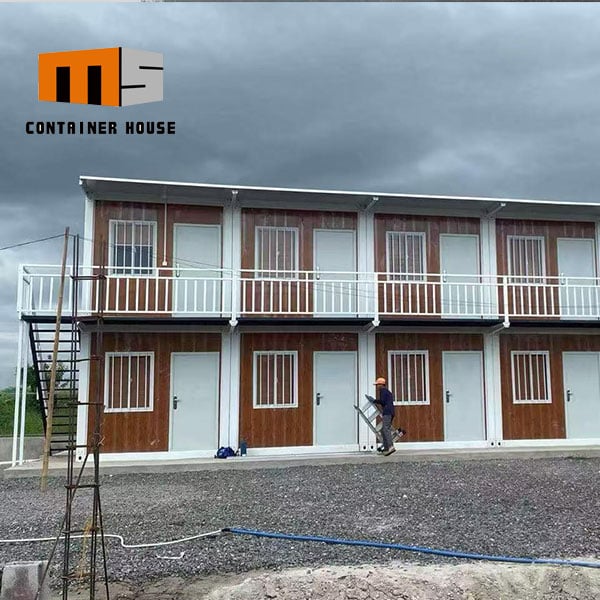
The growing demand for sustainable and cost-effective housing solutions has led to increased interest in container homes across residential and commercial markets. When evaluating container house manufacturers, buyers must consider multiple factors that directly impact quality, durability, and long-term value. Understanding the manufacturing landscape helps ensure successful project outcomes while avoiding costly mistakes that plague poorly planned container construction projects.
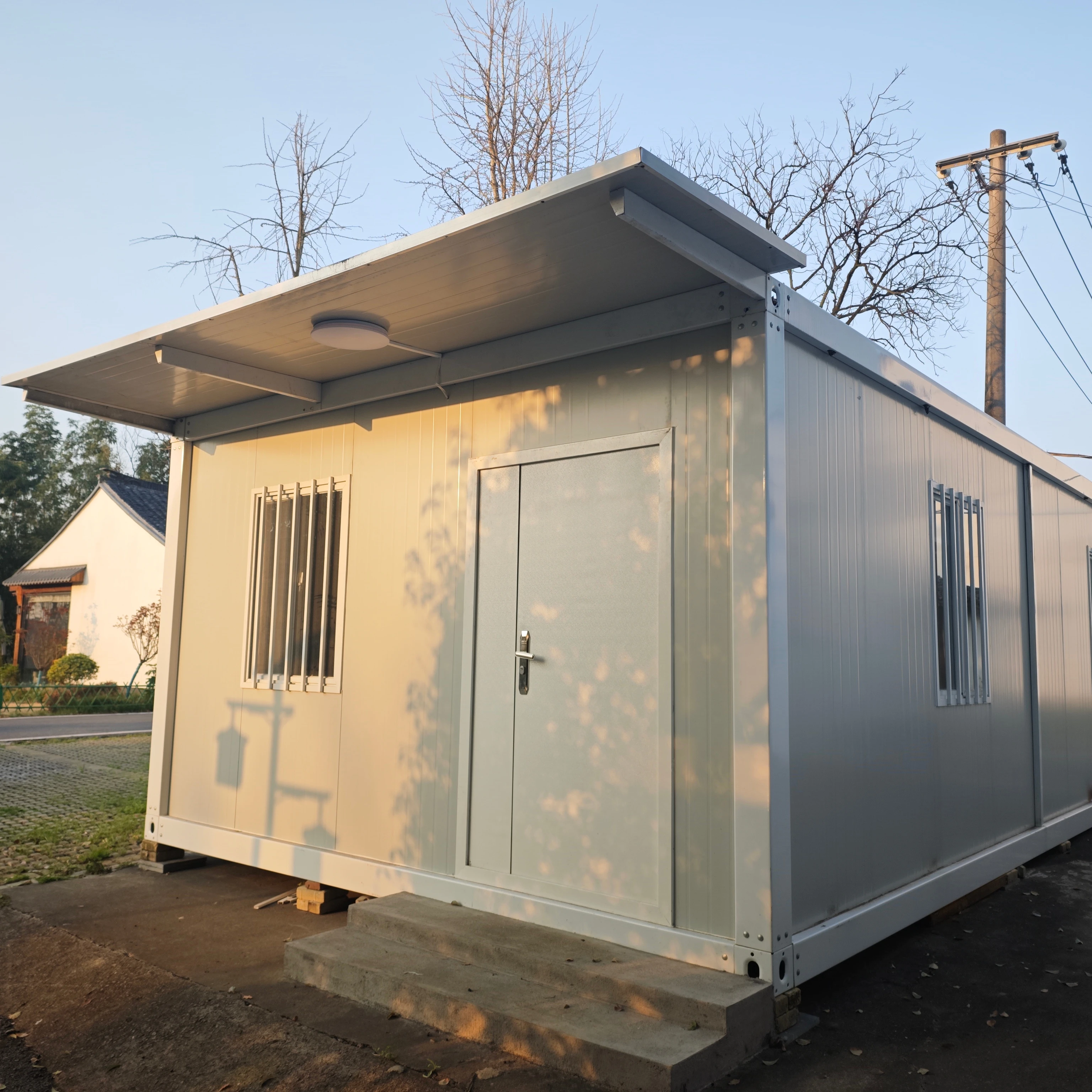
Professional container house manufacturers differentiate themselves through comprehensive service offerings that extend beyond basic container conversion. These companies typically provide end-to-end solutions including design consultation, structural engineering, permitting assistance, and installation support. The expertise required to transform shipping containers into livable spaces involves specialized knowledge of building codes, insulation systems, electrical integration, and plumbing modifications that amateur builders often overlook.
Market research indicates that container housing projects managed by experienced manufacturers achieve significantly higher customer satisfaction rates compared to DIY conversions or projects handled by general contractors lacking container-specific expertise. This performance gap stems from manufacturers' deep understanding of container structural limitations, optimal modification techniques, and proven methods for addressing common challenges like condensation control and thermal bridging.
Manufacturing Quality Standards and Certifications
ISO Compliance and International Standards
Reputable container house manufacturers maintain strict adherence to International Organization for Standardization guidelines that govern container modifications and structural integrity. ISO 668 specifications ensure containers meet dimensional standards, while ISO 1496 addresses structural requirements for freight containers adapted to residential use. Manufacturers following these protocols demonstrate commitment to quality control processes that protect both structural safety and long-term performance characteristics.
Quality assurance programs implemented by leading manufacturers include third-party inspections, material certifications, and documented testing procedures for all structural modifications. These comprehensive quality systems reduce risks associated with structural failures, code violations, and warranty claims that can significantly impact project budgets and timelines. Buyers should request detailed documentation of quality control measures during the manufacturer selection process.
Advanced manufacturers often exceed minimum ISO requirements by implementing additional quality benchmarks specific to residential construction applications. These enhanced standards typically address thermal performance, acoustic insulation, fire resistance ratings, and environmental durability factors that standard shipping container specifications do not cover comprehensively.
Building Code Compliance and Regulatory Approvals
Navigating local building codes represents one of the most complex aspects of container home development, requiring manufacturers with proven expertise in regulatory compliance across multiple jurisdictions. Experienced container house manufacturers maintain relationships with building officials and possess detailed knowledge of code requirements that vary significantly between municipalities and states.
Successful code compliance strategies involve early engagement with local authorities, comprehensive structural engineering documentation, and detailed construction drawings that clearly demonstrate conformance with applicable regulations. Manufacturers lacking this expertise often encounter significant delays and cost overruns when permitting issues arise during construction phases.
Professional manufacturers typically maintain libraries of approved plans and engineering calculations that streamline permitting processes while ensuring compliance with contemporary building standards. This documentation repository enables faster project approvals and reduces risks associated with code enforcement actions or occupancy delays.
Design Capabilities and Customization Options
Architectural Design Services
Leading container house manufacturers provide comprehensive architectural design services that maximize spatial efficiency while addressing specific client requirements and site constraints. These design capabilities encompass space planning, structural modifications, mechanical system integration, and aesthetic customization options that transform standard containers into functional living environments.
Professional design services include 3D modeling, structural analysis, and detailed construction documentation that facilitates accurate cost estimation and construction planning. Manufacturers offering these services typically employ licensed architects and engineers with specialized experience in container-based construction methodologies.
Customization options provided by experienced manufacturers range from basic interior finishing selections to complex multi-container configurations involving structural connections, roof systems, and integrated outdoor living spaces. The scope of available modifications directly correlates with manufacturer capabilities and experience levels in container construction projects.
Structural Engineering and Modification Expertise
Container structural modifications require specialized engineering knowledge to maintain structural integrity while creating openings for windows, doors, and interior connections. Professional manufacturers employ structural engineers who understand container load-bearing characteristics, welding requirements, and reinforcement techniques necessary for safe modifications.
Common structural modifications include corner post reinforcement, floor beam additions, roof load calculations, and foundation interface design. These engineering considerations directly impact project costs and construction timelines, making manufacturer expertise crucial for successful project outcomes.
Advanced structural capabilities enable manufacturers to create complex multi-story configurations, cantilever extensions, and integrated structural systems that extend beyond basic single-container conversions. These enhanced capabilities open possibilities for larger residential projects and commercial applications requiring sophisticated structural solutions.
Manufacturing Process and Production Capabilities
Factory Production Environment
Professional container house manufacturers operate controlled factory environments that enable consistent quality control, weather-independent production schedules, and efficient assembly processes. Factory-based production offers significant advantages over on-site construction including reduced material waste, improved worker safety, and standardized quality assurance procedures.
Modern manufacturing facilities incorporate specialized equipment for container modifications including plasma cutting systems, welding stations, paint booths, and assembly areas designed specifically for container construction processes. This specialized infrastructure enables precise modifications while maintaining structural integrity throughout the conversion process.
Production capacity varies significantly among manufacturers, with larger facilities capable of completing multiple units simultaneously while smaller operations focus on single-unit custom builds. Understanding manufacturer production capabilities helps buyers establish realistic project timelines and delivery expectations.
Quality Control and Testing Procedures
Comprehensive quality control programs implemented by professional manufacturers include material inspections, welding certifications, assembly verification procedures, and final performance testing before shipment. These systematic quality assurance processes minimize defects and ensure compliance with design specifications and building code requirements.
Testing procedures typically encompass structural load testing, electrical system verification, plumbing pressure testing, and thermal performance validation. Documentation of these testing results provides buyers with confidence in product quality while supporting warranty claims and building permit applications.
Advanced manufacturers often incorporate continuous improvement processes that analyze quality metrics, customer feedback, and field performance data to enhance manufacturing procedures and product reliability over time.
Installation Services and Project Management
Site Preparation and Foundation Requirements
Professional container house manufacturers provide comprehensive site preparation guidance including foundation design specifications, utility connection requirements, and access considerations that ensure successful installation processes. Foundation systems must accommodate container dimensions while providing adequate support for modified structural loads.
Site preparation services may include surveying, grading, utility rough-ins, and foundation construction depending on manufacturer capabilities and project scope. Manufacturers with extensive installation experience understand site-specific challenges and can provide valuable guidance for complex installation scenarios.
Foundation options range from simple concrete pads to complex basement systems depending on local codes, soil conditions, and design requirements. Experienced manufacturers specify appropriate foundation systems based on structural loads, environmental conditions, and long-term performance expectations.
Installation Coordination and Timeline Management
Effective project management distinguishes professional manufacturers from less experienced providers, particularly regarding installation coordination, delivery scheduling, and construction sequence optimization. Comprehensive project management ensures timely completion while minimizing disruptions and cost overruns.
Installation services typically include crane coordination, utility connections, final inspections, and customer orientation procedures. Manufacturers with dedicated installation teams possess specialized equipment and expertise required for safe and efficient container placement and connection processes.
Timeline management involves coordinating multiple trades, inspection schedules, and weather considerations that can impact installation progress. Professional manufacturers maintain realistic scheduling practices while providing regular progress updates throughout the installation process.
Pricing Structure and Value Considerations
Transparent Cost Breakdown
Reputable container house manufacturers provide detailed cost breakdowns that clearly identify all project components including materials, labor, transportation, and installation services. Transparent pricing structures enable accurate budget planning while preventing unexpected costs that commonly arise during construction phases.
Cost factors include container acquisition, structural modifications, insulation systems, mechanical installations, interior finishes, and delivery expenses. Understanding these cost components helps buyers compare manufacturer proposals effectively while identifying potential areas for cost optimization.
Value engineering services offered by experienced manufacturers can identify cost reduction opportunities without compromising quality or functionality. These services typically analyze material selections, design alternatives, and construction methods to optimize project budgets while maintaining performance objectives.
Warranty Coverage and Long-term Support
Comprehensive warranty programs provided by established manufacturers typically cover structural components, weatherproofing systems, and major mechanical installations for specified periods ranging from one to ten years depending on component categories. Warranty coverage demonstrates manufacturer confidence in product quality while protecting buyer investments.
Long-term support services may include maintenance guidance, replacement part availability, and technical support for system modifications or upgrades. Manufacturers committed to customer relationships maintain service capabilities beyond initial project completion to address ongoing support requirements.
Service network coverage affects warranty support accessibility, particularly for buyers located in remote areas or regions with limited manufacturer presence. Understanding service capabilities and response procedures helps buyers evaluate long-term ownership considerations beyond initial purchase decisions.
FAQ
What certifications should I look for when choosing container house manufacturers
Look for manufacturers with ISO certifications, building code compliance documentation, structural engineering stamps, and quality management system certifications. Professional manufacturers should provide evidence of third-party inspections, material certifications, and adherence to relevant building standards in their jurisdiction.
How long does the manufacturing process typically take for container homes
Manufacturing timelines vary from 4-12 weeks depending on complexity, customization level, and manufacturer capacity. Simple single-container conversions require less time than complex multi-unit configurations with extensive modifications. Professional manufacturers provide detailed project schedules during the planning phase.
What factors most significantly impact container home manufacturing costs
Primary cost drivers include container acquisition, structural modifications, insulation systems, mechanical installations, finish selections, and transportation expenses. Location, local labor costs, permitting requirements, and customization complexity also significantly influence total project costs.
Do container house manufacturers handle building permits and inspections
Many professional manufacturers assist with permitting processes by providing engineering drawings, structural calculations, and code compliance documentation. However, permit applications typically require local involvement due to jurisdictional variations. Some manufacturers offer full permitting services in their primary service areas.
Table of Contents
- Manufacturing Quality Standards and Certifications
- Design Capabilities and Customization Options
- Manufacturing Process and Production Capabilities
- Installation Services and Project Management
- Pricing Structure and Value Considerations
-
FAQ
- What certifications should I look for when choosing container house manufacturers
- How long does the manufacturing process typically take for container homes
- What factors most significantly impact container home manufacturing costs
- Do container house manufacturers handle building permits and inspections