 EN
EN
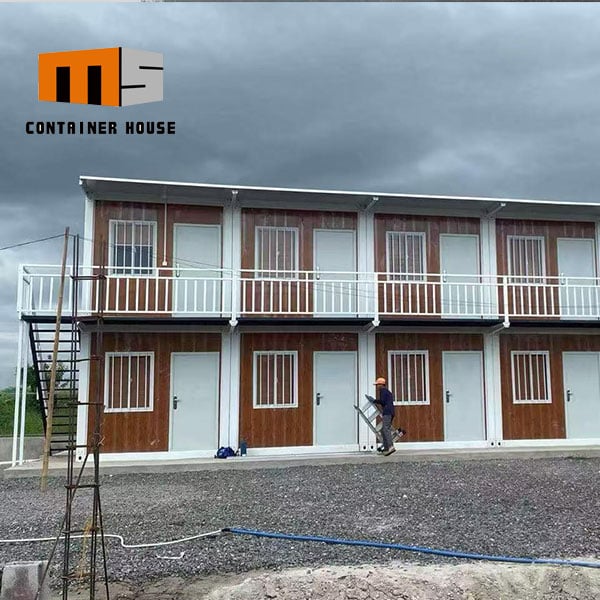
The modular housing industry has experienced unprecedented growth in recent years, with container house manufacturers leading the charge in sustainable and affordable construction solutions. These innovative companies have transformed shipping containers into comfortable, functional living spaces that meet diverse residential and commercial needs. As demand for alternative housing continues to rise, understanding the landscape of container house manufacturers becomes crucial for making informed investment decisions. The industry encompasses manufacturers ranging from small-scale custom builders to large industrial operations, each offering unique advantages in terms of quality, cost, and delivery timelines.
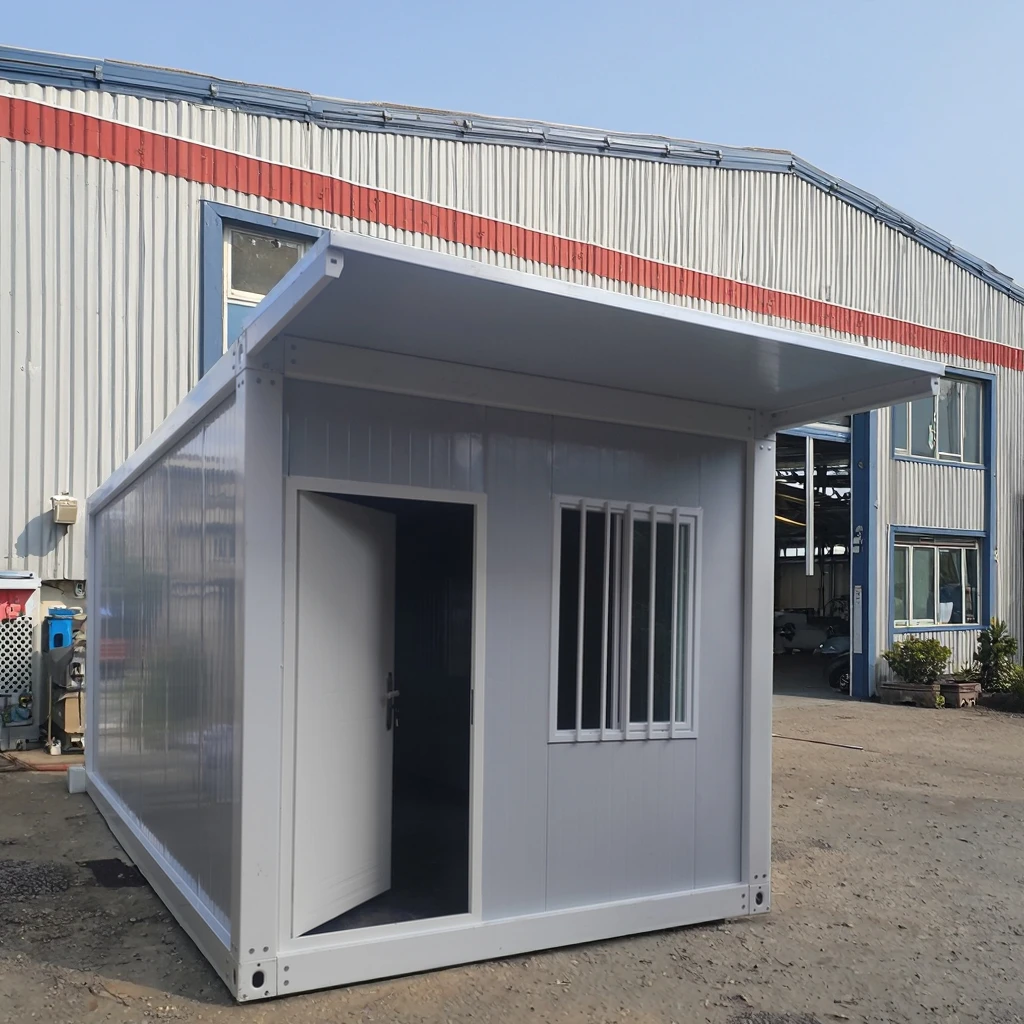
The global market for prefabricated housing has reached new heights, with container-based solutions representing a significant portion of this growth. Leading manufacturers have established sophisticated production facilities capable of delivering high-quality units at competitive prices. The success of these companies lies in their ability to balance manufacturing efficiency with customization options, allowing customers to achieve their specific requirements without compromising on structural integrity or design aesthetics.
Manufacturing Excellence in Container Housing
Advanced Production Capabilities
Top-tier container house manufacturers utilize state-of-the-art production facilities equipped with precision machinery and quality control systems. These manufacturers implement standardized processes that ensure consistent quality across all units while maintaining flexibility for custom modifications. The integration of computer-aided design software allows for precise planning and efficient material utilization, resulting in cost savings that benefit end customers.
Modern production lines incorporate automated welding systems, precision cutting equipment, and advanced insulation installation techniques. This technological sophistication enables manufacturers to maintain high production volumes while adhering to strict quality standards. The implementation of lean manufacturing principles further optimizes production efficiency, reducing waste and minimizing environmental impact throughout the manufacturing process.
Quality Assurance Standards
Reputable container house manufacturers maintain rigorous quality assurance protocols that exceed industry standards. These protocols include comprehensive material testing, structural integrity assessments, and final product inspections before shipment. Quality control measures extend beyond manufacturing to include supplier verification, ensuring that all components meet specified requirements for durability and performance.
The implementation of international quality standards such as ISO certification demonstrates a manufacturer's commitment to excellence. These certifications require ongoing audits and continuous improvement processes, providing customers with confidence in product reliability. Quality assurance documentation accompanies each unit, providing detailed specifications and warranty information that supports long-term customer satisfaction.
Cost Structure Analysis in Container Manufacturing
Material Cost Optimization
Leading container house manufacturers achieve competitive pricing through strategic material sourcing and bulk purchasing agreements. These companies establish long-term relationships with steel suppliers, insulation manufacturers, and component providers to secure favorable pricing terms. The economies of scale achieved through large-volume orders translate directly into cost savings for customers without compromising material quality.
Efficient material utilization plays a crucial role in cost management strategies employed by successful manufacturers. Advanced cutting technologies minimize waste generation, while standardized component sizes reduce inventory complexity. The recycling of production waste materials further contributes to cost reduction while supporting environmental sustainability objectives. These combined efforts result in optimized material costs that enhance overall value proposition.
Labor Efficiency and Automation
The integration of automated systems in container house manufacturing significantly impacts labor costs and production efficiency. Skilled manufacturers invest in robotic welding systems, automated painting lines, and computer-controlled assembly equipment to reduce manual labor requirements. This technological advancement enables consistent production quality while reducing per-unit labor costs, benefits that extend to customer pricing.
Training programs for manufacturing personnel ensure optimal utilization of advanced equipment and maintain high productivity standards. Cross-training initiatives create versatile workforce capabilities, allowing for flexible resource allocation based on production demands. These human resource strategies contribute to operational efficiency and cost control measures that support competitive pricing structures.
Market Positioning and Competitive Advantages
Geographic Distribution Networks
Successful container house manufacturers establish strategic distribution networks that optimize delivery logistics and reduce transportation costs. Regional manufacturing facilities enable proximity to key markets while minimizing shipping expenses and delivery timeframes. This geographic diversification also provides risk mitigation benefits, ensuring continuity of supply even during localized disruptions.
The development of regional service centers enhances customer support capabilities and facilitates post-delivery services such as installation assistance and maintenance support. These service networks create competitive advantages by providing comprehensive solutions beyond basic manufacturing. Local presence also enables manufacturers to better understand regional market requirements and adapt products accordingly.
Customization and Design Flexibility
The ability to offer extensive customization options distinguishes leading manufacturers from competitors in the container housing market. Advanced design capabilities allow for modifications in layout, finishes, mechanical systems, and exterior aesthetics while maintaining structural integrity and cost efficiency. This flexibility enables manufacturers to serve diverse market segments from residential to commercial applications.
Design teams collaborate closely with customers to develop solutions that meet specific requirements and local building codes. The utilization of modular design principles enables efficient customization without significant cost penalties. Standard component libraries combined with custom fabrication capabilities provide optimal balance between personalization and affordability for diverse customer needs.
Technology Integration and Innovation
Smart Home Technology Integration
Forward-thinking container house manufacturers incorporate smart home technologies into their designs, providing enhanced functionality and energy efficiency. These integrated systems include automated lighting, climate control, security monitoring, and energy management capabilities. The pre-installation of smart infrastructure during manufacturing reduces installation costs and ensures seamless system integration.
The development of proprietary control systems enables manufacturers to offer unique value propositions while maintaining competitive pricing. Integration partnerships with technology providers facilitate access to cutting-edge solutions at favorable terms. These technological enhancements appeal to modern consumers while supporting long-term customer satisfaction and market differentiation.
Sustainable Manufacturing Practices
Environmental consciousness drives innovation in container house manufacturing, with leading companies implementing sustainable practices throughout their operations. Solar panel integration, energy-efficient insulation systems, and water conservation technologies represent standard offerings from progressive manufacturers. These environmentally friendly features attract environmentally conscious consumers while supporting regulatory compliance requirements.
The utilization of recycled materials and renewable energy sources in manufacturing processes demonstrates corporate environmental responsibility. Life cycle assessments help manufacturers optimize designs for minimal environmental impact throughout product lifespan. These sustainability initiatives create marketing advantages while contributing to long-term operational cost reductions through improved efficiency measures.
Supply Chain Management Excellence
Vendor Relationship Management
Effective supply chain management distinguishes successful container house manufacturers through reliable component sourcing and inventory optimization. Strong relationships with suppliers ensure consistent material quality, favorable pricing terms, and priority allocation during supply shortages. Regular supplier assessments maintain performance standards while identifying opportunities for continuous improvement and cost reduction.
Diversified supplier networks provide risk mitigation benefits by reducing dependence on single sources for critical components. Strategic partnerships with key suppliers facilitate collaborative product development and innovation initiatives. These relationships enable manufacturers to access new technologies and materials while maintaining cost competitiveness in dynamic market conditions.
Inventory Management Systems
Advanced inventory management systems optimize material availability while minimizing carrying costs for container house manufacturers. Just-in-time delivery schedules coordinate with production planning to ensure optimal inventory levels without compromising manufacturing flexibility. Real-time tracking systems provide visibility into material status and enable proactive management of potential supply disruptions.
Integration between inventory management and production scheduling systems enables efficient resource allocation and reduces waste generation. Predictive analytics help forecast material requirements based on order projections and seasonal demand patterns. These sophisticated systems contribute to operational efficiency while supporting competitive pricing through optimized carrying costs and reduced material waste.
Customer Service and Support Infrastructure
Pre-Sales Consultation Services
Comprehensive pre-sales consultation services differentiate leading container house manufacturers by providing expert guidance throughout the decision-making process. Experienced design consultants work with customers to develop optimal solutions based on specific requirements, site conditions, and budget constraints. These consultative services build customer confidence while ensuring project success from initial concept through final delivery.
Technical support teams provide detailed information about product specifications, installation requirements, and regulatory compliance considerations. Site assessment services help customers understand logistical requirements and potential challenges before finalizing purchase decisions. These proactive support measures reduce project risks while enhancing customer satisfaction through informed decision-making processes.
Post-Delivery Support Programs
Ongoing support programs extend manufacturer relationships beyond initial sales transactions, providing long-term value through maintenance assistance, warranty services, and technical support. Comprehensive warranty coverage demonstrates product confidence while protecting customer investments. Detailed maintenance programs help customers optimize product lifespan and performance through proper care and preventive maintenance practices.
Training programs for customer personnel ensure proper operation and maintenance of integrated systems and components. Remote diagnostic capabilities enable proactive problem identification and resolution, minimizing downtime and maintenance costs. These support services create competitive advantages through enhanced customer loyalty and positive referral generation for sustained business growth.
FAQ
What factors should be considered when selecting container house manufacturers
When evaluating container house manufacturers, consider production capacity, quality certifications, customization capabilities, and delivery timelines. Review customer testimonials, warranty terms, and post-delivery support services. Examine the manufacturer's financial stability, industry experience, and compliance with relevant building codes and standards. Site visits to manufacturing facilities provide valuable insights into production capabilities and quality control processes.
How do container house manufacturers maintain competitive pricing
Manufacturers achieve competitive pricing through economies of scale, efficient production processes, and strategic supplier relationships. Automated manufacturing systems reduce labor costs while maintaining quality standards. Bulk material purchasing and waste minimization strategies optimize material costs. Geographic distribution networks reduce transportation expenses, while standardized designs enable efficient production without compromising customization options.
What quality standards do reputable container house manufacturers follow
Leading manufacturers adhere to international quality standards such as ISO certifications, building code compliance, and industry-specific safety requirements. Comprehensive quality control processes include material testing, structural inspections, and final product assessments. Documentation packages accompany each unit, providing specifications, test results, and warranty information. Regular third-party audits ensure ongoing compliance with established quality standards.
How long does container house manufacturing typically take
Standard container house manufacturing timeframes range from two to eight weeks depending on customization complexity and current production schedules. Simple configurations require shorter production periods, while extensively customized units need additional time for specialized fabrication. Manufacturers provide detailed production schedules during order confirmation, including milestone dates and expected delivery timelines. Seasonal demand variations may impact production scheduling and delivery dates.