 EN
EN
مسکن کی صنعت ایک انقلابی تبدیلی کا شکار ہے کیونکہ جدت طراز تعمیراتی طریقے روایتی تعمیراتی طریقوں کو چیلنج کر رہے ہیں۔ جدید خریدار اور تعمیراتی ماہرین متبادل رہائشی حل تلاش کر رہے ہیں جو لچک، مؤثر انداز اور پائیداری کی پیشکش کرتے ہیں۔ ان نئے اختیارات میں سے ایک، تہہ کرنے والی عمارت رہائشی تعمیر کے لیے ایک نیا نقطہ نظر پیش کرتی ہے جو گھر کی تعمیر اور ملکیت کے بارے میں ہمارے خیالات کو تبدیل کرنے کا وعدہ کرتی ہے۔
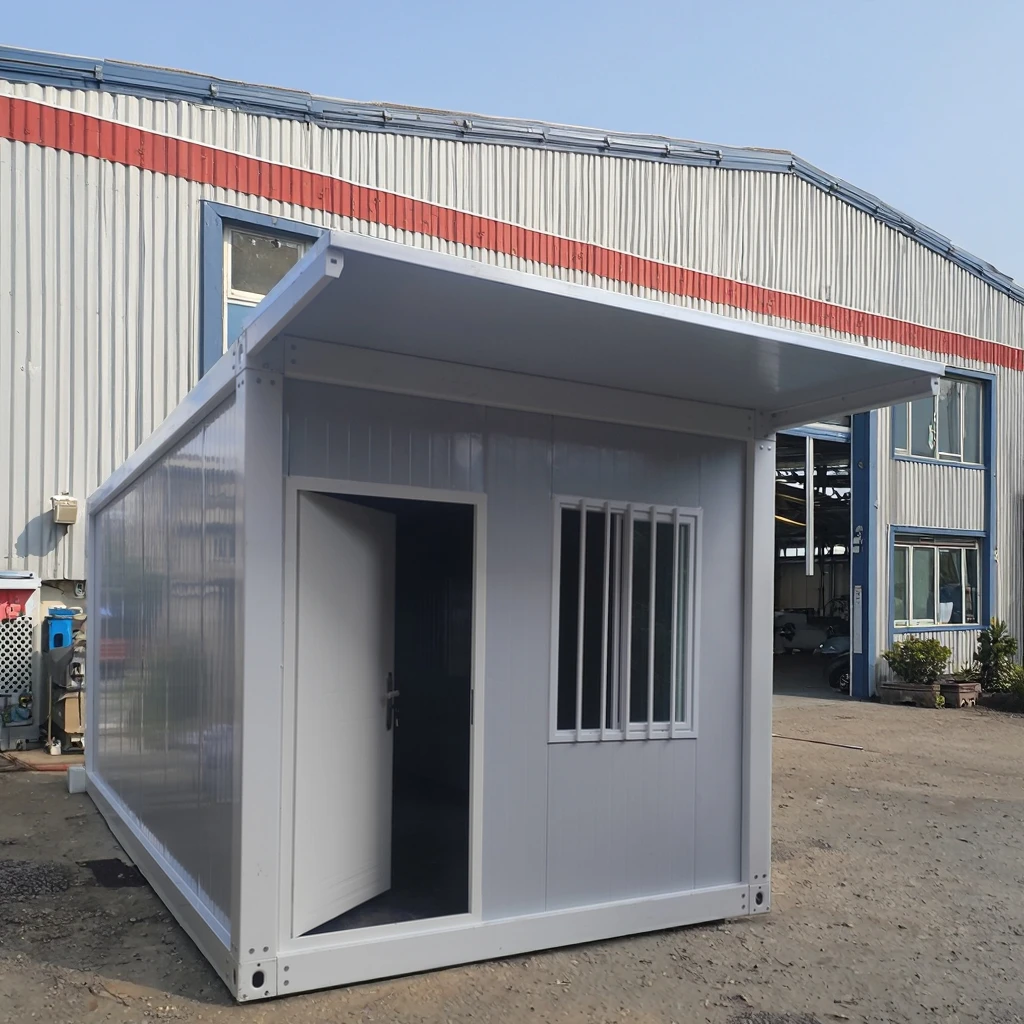
یہ جامع تجزیہ فولڈ ایبل مکانات اور روایتی گھروں کے درمیان بنیادی فرق کا جائزہ لیتا ہے، جو ان جدید رہائشی متبادل کو مدنظر رکھنے والے ہر شخص کے لیے ضروری بصیرت فراہم کرتا ہے۔ ہر اختیار کے فوائد اور حدود کو سمجھنا معلومات پر مبنی فیصلہ سازی کو ممکن بناتا ہے، چاہے آپ ایک مستقبل کے گھر کے مالک ہوں، سرمایہ کار ہوں، یا نئے منڈی کے مواقع کی تلاش میں تعمیراتی ماہر ہوں۔
فولڈ ایبل ہاؤس ٹیکنالوجی کو سمجھنا
انقلابی تعمیراتی طریقے
فولڈ ایبل مکان کی تعمیر جدید انجینئرنگ کے اصولوں کو استعمال کرتی ہے جو تمام رہائشی ساخت کو تیار کرنے، نقل و حمل کرنے اور بے مثال موثر انداز میں اسمبل کرنے کی اجازت دیتی ہے۔ ان جدتی مکانات کو ماڈیولر اجزاء کا استعمال کرتے ہوئے ڈیزائن کیا گیا ہے جو نقل و حمل اور اسٹوریج کے لیے فولڈ، اسٹیک یا سمٹ جاتے ہی ہیں۔ تعمیراتی عمل میں درست انجینئرڈ پینلز، فریمز اور کنکشن سسٹمز شامل ہوتے ہیں جو ساختی درستگی کو یقینی بناتے ہیں جبکہ فولڈنگ کے میکانزم کے لیے درکار لچک برقرار رکھتے ہیں۔
تیاری کا عمل کنٹرول شدہ فیکٹری ماحول میں ہوتا ہے جہاں معیار کی جانچ کے اقدامات روایتی مقام پر تعمیر کے معیارات سے آگے نکل جاتے ہیں۔ کمپیوٹر سے مدد حاصل طراحی اور خودکار پیداواری لائنوں کی بدولت مستقل معیار اور درست پیمائش حاصل ہوتی ہے جو روایتی تعمیراتی طریقوں کے ذریعے حاصل کرنا مشکل ہوتا۔ اس کنٹرول شدہ تیاری کے ماحول سے مواد کا نقصان اور تعمیراتی تاخیر بھی کم ہوتی ہے جو موسم پر منحصر روایتی تعمیرات کے ساتھ عام طور پر وابستہ ہوتی ہے۔
مواد اور ساختی نوآوری
جدید تہہ کرنے والے مکانات میں مضبوط سٹیل فریمز، ہلکے مرکب پینلز اور جدید عایدی مواد شامل ہوتے ہیں جو بہترین حرارتی کارکردگی فراہم کرتے ہیں۔ ان مواد کا انتخاب خاص طور پر ان کی پائیداری، وزن سے طاقت کے تناسب اور ساختی سالمیت کو متاثر کیے بغیر بار بار تہہ اور کھولنے کے چکروں کو برداشت کرنے کی صلاحیت کے لحاظ سے کیا جاتا ہے۔ ان مکانات کے پیچھے کی انجینئرنگ عام طور پر رہائشی درخواستوں کے لیے ہوابازی اور خودکار صنعت کی نوآوریوں کو اپنانے پر مبنی ہوتی ہے۔
سمارٹ کنکشن سسٹمز اور درست ہارڈ ویئر بے درد جمع اور ڈیمونٹنگ عمل کو ممکن بناتے ہیں۔ ان اجزاء کو تنگ رواداریاں اور موسم مزاحم سیلنگ فراہم کرنے کے لیے ڈیزائن کیا گیا ہے جو روایتی تعمیراتی معیارات کے برابر یا اس سے زیادہ ہوں۔ جدید مواد سائنس کے اندراج سے یہ یقینی بنایا جاتا ہے کہ تہہ کرنے والے مکانات مختلف ماحولیاتی حالات کا مقابلہ کر سکیں اور روایتی مکانات کے برابر آرام دہ رہائشی جگہیں فراہم کر سکیں۔
روایتی گھر کی تعمیر کے بنیادی اصول
مستحکم تعمیراتی طریقے
روایتی گھر کی تعمیر صدیوں سے جاری اوقات پر آزمودہ طریقوں پر منحصر ہے، جن میں علاقائی مواد اور وہ طریقہ کار شامل ہیں جو مقامی موسمی حالات کے مطابق ڈھل چکے ہیں۔ ان گھروں میں عام طور پر بنیادی نظام، فریم شدہ دیواریں، اور چھت کے ڈھانچے ہوتے ہیں جو درخت، اینٹ، سیمنٹ، اور سٹیل جیسے مواد کا استعمال کرتے ہوئے سائٹ پر مرحلہ وار تعمیر کیے جاتے ہیں۔ تعمیراتی عمل میں مختلف ماہر پیشہ ور افراد کو مربوط انداز میں کام کرنے کی ضرورت ہوتی ہے تاکہ عمارت کے منصوبے کے مختلف مراحل مکمل کیے جا سکیں۔
جگہ کی تیاری، بنیاد کی تنصیب، فریم نصب کرنا، بجلی اور پلمبنگ کی ابتدائی تنصیب، عایدکاری، خشک دیوار (ڈرائی وال) اور اختتامی کام عام تعمیراتی ترتیب کی نمائندگی کرتے ہیں۔ ہر مرحلے کے لیے مخصوص موسمی حالات اور سیمنٹ اور مورٹار جیسے مواد کے لیے مناسب علاج (کیورنگ) کا وقت درکار ہوتا ہے۔ یہ مرحلہ وار طریقہ کار، اگرچہ مؤثر ثابت ہوا ہے، اکثر تعمیر کے دورانیے کو لمبا کر دیتا ہے اور موسمی تاخیر اور مواد کی قیمت میں اتار چڑھاؤ کا شکار ہونے کا امکان بڑھا دیتا ہے۔
مواد کی تنوع اور حسب ضرورت ترتیب
روایتی تعمیرات میں قدرتی پتھر اور اینٹ سے لے کر انجینئرڈ لکڑی اور مرکب مواد تک وسیع پیمانے پر مواد کے انتخاب کی سہولت حاصل ہوتی ہے۔ یہ تنوع معماروں اور تعمیر کاروں کو انتہائی حسب ضرورت ڈیزائن تخلیق کرنے کی اجازت دیتا ہے جو ذاتی پسند، علاقائی معماری کے انداز اور مخصوص مقامی حالات کی عکاسی کرتے ہیں۔ مواد کے انتخاب میں لچک خصوصی بصارتی اظہار کی اجازت دیتی ہے اور مقامی سطح پر حاصل شدہ مواد کو شامل کرنے کی اجازت دیتی ہے جو مکانات کو ان کے جغرافیائی تناظر سے منسلک کرتے ہیں۔
منصوبہ بندی کی روایتی تعمیرات میں فلور منصوبوں، کمرے کی ترتیبات اور معماری تفصیلات تک رسائی حاصل ہوتی ہے جنہیں خاندانی ضروریات اور طرز زندگی کی ترجیحات کے مطابق ڈھالا جا سکتا ہے۔ روایتی تعمیرات پیچیدہ جیومیٹری، متعدد منزلہ ڈیزائنز اور منفرد معماری خصوصیات کو نافذ کرنے کی اجازت دیتی ہے جو معیاری فولڈ ایبل ہاؤس سسٹمز کے ساتھ حاصل کرنا مشکل ہو سکتا ہے۔ یہ ہمواری کی صلاحیت اکثر روایتی مکانات کو ان خریداروں کی پسندیدہ پسند بناتی ہے جو منفرد معماری اظہار کی تلاش میں ہوتے ہیں۔
لاگت کا تجزیہ اور معاشی غور
ابتدائی سرمایہ کاری کا موازنہ
ایک مڑنا پسند گھر کی ابتدائی قیمت کی ساخت عام طور پر روایتی تعمیرات کے مقابلے میں قابلِ ذکر بچت پیش کرتی ہے، خاص طور پر کم تعمیراتی لاگت اور تعمیر کے کم وقت کی وجہ سے۔ فیکٹری پیداوار سے پیمانے کے مطابق بچت ممکن ہوتی ہے جو فی یونٹ کم قیمتوں میں تبدیل ہوتی ہے، جبکہ معیاری ڈیزائنز معماری فیس اور انجینئرنگ اخراجات کو ختم کر دیتے ہیں۔ نقل و حمل کی لاگت، اگرچہ موجود ہوتی ہے، اکثر سائٹ پر تعمیراتی محنت اور تعمیراتی انتظام میں بچت سے توازن میں آ جاتی ہے۔
روایتی گھر کی لاگت مقام، مواد اور کسٹم ڈیزائن کی ضروریات کے لحاظ سے کافی حد تک مختلف ہوتی ہے۔ تعمیراتی اخراجات کا 30-40 فیصد تک لیبر کی لاگت پر مشتمل ہوتا ہے جو مقامی مارکیٹ کی صورتحال اور ٹھیکیدار کی دستیابی کے مطابق متغیر ہوتی ہے۔ مواد کی قیمتیں مارکیٹ کی عدم استحکام اور موسمی تاخیر کے اثرات سے متاثر ہوتی ہیں جو منصوبے کے بجٹ پر اثر انداز ہو سکتے ہیں۔ نیز، روایتی تعمیرات عام طور پر طویل مدتی فنانسنگ کی ضرورت ہوتی ہے جو تعمیر کے دوران سود کی مد میں اضافی اخراجات کا باعث بنتی ہے۔
طویل مدتی مالی اثرات
خصوصی اجزاء اور منفرد ساختی نظام کی وجہ سے فولڈ ایبل گھروں کے لیے دیکھ بھال کے اخراجات روایتی گھروں سے مختلف ہو سکتے ہیں۔ اگرچہ کچھ اجزاء کو مخصوص دیکھ بھال کے طریقہ کار کی ضرورت ہو سکتی ہے، فولڈ ایبل ہاؤس سسٹم کی مجموعی سادگی طویل مدتی دیکھ بھال کی پیچیدگی کو کم کر سکتی ہے۔ معیاری مینوفیکچرنگ کے عمل کے نتیجے میں اکثر مینوفیکچررز کے ذریعے قابل نگہداشت کے نظام الاوقات اور آسانی سے دستیاب متبادل پرزے ہوتے ہیں۔
روایتی مکانات کو مرمت کے مواد اور اہل قرارداد دہندگان کی وسیع دستیابی کے ساتھ ساتھ قائم شدہ دیکھ بھال کے طریقہ کار کے فوائد حاصل ہوتے ہیں۔ روایتی مکانات کے لیے دوبارہ فروخت کا بازار اچھی طرح قائم ہے جس میں فروخت کے موازنہ کے وسیع ڈیٹا موجود ہیں، جبکہ تہہ شدہ مکانات ایک نئے بازار کی نمائندگی کرتے ہیں جن کی دوبارہ فروخت کی قدریں بدلتی رہتی ہیں۔ دو مختلف قسم کے مکانات کے درمیان بیمہ کی لاگت، مالیاتی اختیارات اور پراپرٹی ٹیکس کے تعین میں مقامی ضوابط اور بیمہ کمپنی کی پالیسیوں کے مطابق فرق ہو سکتا ہے۔
تعمیر کی رفتار اور کارکردگی
ٹائم لائن کے فوائد
فولڈ ایبل ہاؤس کنسٹرکشن ٹائم لائنز روایتی تعمیراتی طریقوں کے مقابلے میں ڈرامائی بہتری کی نمائندگی کرتی ہیں، مکمل گھر اکثر مہینوں کے بجائے ہفتوں میں قبضے کے لیے تیار ہوتے ہیں۔ فیکٹری کے زیر کنٹرول مینوفیکچرنگ ماحول موسم سے متعلق تاخیر کو ختم کرتا ہے اور موسمی حالات سے قطع نظر سال بھر کی پیداوار کو قابل بناتا ہے۔ سائٹ کی تیاری کے تقاضے عام طور پر کم سے کم ہوتے ہیں، اور فاؤنڈیشن کے نظام کو اکثر روایتی تعمیراتی ضروریات کے مقابلے میں آسان بنایا جا سکتا ہے۔
تہہ شدہ مکانات کے اسمبلی کے عمل اکثر بنیادی اوزاروں اور سامان کا استعمال کرتے ہوئے چھوٹی ٹیموں کے ذریعے مکمل کیے جا سکتے ہیں، جس سے روایتی تعمیراتی منصوبوں کے لیے درکار رابطہ کاری کی پیچیدگی کم ہوتی ہے۔ اسمبلی کا مربّہ عمل سائٹ پر درکار مختلف پیشوں کی تعداد کو کم کرتا ہے اور ان شیڈولنگ تنازعات کے امکان کو کم کرتا ہے جو عام طور پر روایتی تعمیراتی منصوبوں میں تاخیر کا باعث بنتے ہیں۔ یہ کارکردگی مالکان کے لیے حامل اخراجات میں کمی اور جلدی قبضہ کرنے کے وقت کو کم کرنے کا باعث بنتی ہے۔
معیار کنٹرول کے فوائد
کارخانوں کے تیاری کے ماحول میں سائٹ پر تعمیراتی حالات کے مقابلے میں معیار کنٹرول کا معیار بہتر ہوتا ہے۔ درجہ حرارت اور نمی کی سطح کو کنٹرول کرنا، درست اوزار، اور مسلسل کام کے طریقے سے تعمیر کے معیار اور زیادہ درست تعمیراتی رواداری حاصل ہوتی ہے۔ معیار کی جانچ پڑتال کو شپنگ سے پہلے متعدد تیاری مراحل میں انجام دیا جا سکتا ہے، جس سے ترسیل کے بعد خرابیوں یا دوبارہ کام کی ضرورت کا امکان کم ہو جاتا ہے۔
روایتی تعمیراتی معیار کافی حد تک انفرادی ٹھیکیداروں کے مہارتوں، موسمی حالات، اور منصوبوں کے لحاظ سے مختلف سائٹ کے چیلنجز پر منحصر ہوتا ہے۔ تجربہ کار ٹھیکیدار اعلیٰ نتائج حاصل کر سکتے ہیں، لیکن سائٹ پر تعمیراتی عمل میں موجود متغیرات معیار کی ناہمواریوں کے مواقع فراہم کرتے ہیں۔ تاہم، روایتی تعمیراتی عمل کے دوران فوری معیاری اصلاحات اور تبدیلیوں کی اجازت دیتا ہے، جو پہلے سے تیار شدہ فولڈ ایبل ہاؤسز کے ساتھ دستیاب نہیں ہو سکتی۔
محیطی اثر اور مستقیمی
وسائل کی موثریت
تہہ بند گھر کی تیاری عام طور پر روایتی تعمیراتی طریقوں کے مقابلے میں کم تعمیراتی فضلہ پیدا کرتی ہے، کیونکہ فیکٹری کے ماحول میں درست کٹائی اور مواد کے بہتر استعمال کی وجہ سے۔ کنٹرول شدہ تیاری کے ماحول فضلہ مواد کی موثر ری سائیکلنگ اور معیاری پیکیجنگ کو یقینی بنا کر نقل و حمل سے متعلقہ ماحولیاتی اثرات کو کم کرنے میں مدد دیتا ہے۔ بہت سے تہہ بند گھر کے نظام ری سائیکل شدہ مواد اور پائیدار تیاری کے طریقوں کو شامل کرتے ہیں جو جدید ماحولیاتی شعور کے مطابق ہوتے ہیں۔
تہہ شدہ مکانات میں توانائی کی موثریت اکثر جدید عایدی نظاموں اور درستی سے مہر لگے عمارت کے خول کے ذریعے روایتی تعمیراتی معیارات کے برابر یا اس سے زیادہ ہوتی ہے۔ فیکٹری میں تیاری کا عمل ان توانائی سے موثر اجزاء کی مستقل انسٹالیشن کو ممکن بناتا ہے جس کا اطلاق متغیر سائٹ کی تعمیراتی حالتوں کے ساتھ حاصل کرنا مشکل ہو سکتا ہے۔ کچھ تہہ شدہ مکان کے ڈیزائن نئی توانائی کے نظام اور اسمارٹ ہوم ٹیکنالوجیز کو شامل کرتے ہیں جو مجموعی طور پر ماحولیاتی کارکردگی میں بہتری لاتے ہیں۔
حیاتی دورانیہ کے اعتبارات
کئی تہہ شدہ مکانات کی منتقل شدہ نوعیت ماحولیاتی فوائد فراہم کرتی ہے، کیونکہ زمین کے استعمال کی ضروریات تبدیل ہونے پر ان ساختوں کو منہدم کرنے کے بجائے منتقل کیا جا سکتا ہے۔ یہ حرکت پذیری تعمیر کے فضلے کو کم کرتی ہے اور ابتدائی تعمیر میں لگائی گئی توانائی کو محفوظ رکھتی ہے۔ نیز، تہہ شدہ مکانات کے معیاری اجزاء کو روایتی تعمیراتی مواد کے مقابلے میں ان کی مفید زندگی کے خاتمے پر دوبارہ استعمال یا ریسائیکل کرنا زیادہ آسان ہوتا ہے۔
روایتی مکان اپنی مستقل بنیادوں کے نظام اور مضبوط تعمیراتی طریقوں کے ذریعے لمبی عمر حاصل کرتے ہیں، جو ممکنہ طور پر طویل خدمت کی زندگی کے ذریعے ماحولیاتی فوائد فراہم کرتے ہیں۔ تاہم روایتی مکانات کو منہدم کرنا اور ان کا خاتمہ عام طور پر قابلِ نگرانی وسیع پیمانے پر فضلہ پیدا کرتا ہے۔ دونوں قسم کے رہائشی مکانات کے ماحولیاتی اثرات مقامی فضلہ کے انتظام، توانائی کے ذرائع، اور تعمیر و مرمت کے دوران درپیش سفر کی مسافت پر منحصر ہوتے ہیں۔
لچک اور موافقت
نقل و حرکت اور دوبارہ منتقلی
فولڈ ایبل مکانات کا بنیادی فائدہ یہ ہے کہ وہ بدلے ہوئے تقاضوں یا حالات کے مطابق دوبارہ جگہ یا تشکیل اختیار کر سکتے ہیں۔ یہ حرکت پذیری عارضی رہائش، موسمی رہائش گاہوں، یا پیشہ ورانہ منتقلی کے لیے رہائش کے منفرد مواقع فراہم کرتی ہے۔ ایک مکان کو ختم کرکے دوبارہ کہیں لے جانے کی صلاحیت سرمایہ کاری کو محفوظ رکھتی ہے اور رہائش کی وہ لچک فراہم کرتی ہے جو روایتی مکانات میں ممکن نہیں ہوتی۔
تاہم، تہہ شدہ مکانات کی منتقلی کے لیے مخصوص نقل و حمل اور دوبارہ تنصیب کی خدمات کی ضرورت ہوتی ہے جو تمام مارکیٹس میں فوری دستیاب نہیں ہو سکتیں۔ تہہ کرنے اور نقل و حمل کے قابل بنانے کے لیے ضروری ساختی تبدیلیاں کچھ ڈیزائن خصوصیات یا تعمیراتی عناصر کو محدود کر سکتی ہیں جو روایتی تعمیرات میں معیاری ہوتی ہیں۔ نیز، مقامی تعمیراتی ضوابط اور زوننگ قوانین کسی مخصوص علاقے میں تہہ شدہ مکانات کی جگہ یا منتقلی کو محدود کر سکتے ہیں۔
وسعت اور ترمیم کے اختیارات
روایتی مکانات کمروں کے اضافے، تہہ خانے کی تکمیل، اور تعمیراتی تجدیدات کے ذریعے وسیع تبدیلی اور توسیع کے مواقع فراہم کرتے ہیں جو رہائشی جگہ اور افعالیت میں نمایاں اضافہ کر سکتے ہیں۔ روایتی مکانات کی مستقل بنیاد اور ساختی نظام عام طور پر ساختی درستگی کو متاثر کیے بغیر مختلف تبدیلی کے طریقوں کو برداشت کرتے ہیں۔ یہ لچک مکانات کو طویل عرصے تک خاندانی ضروریات میں تبدیلی کے مطابق ڈھلنے کی اجازت دیتی ہے۔
تہہ شدہ مکانات کی مخصوص ساختہ نظاموں اور معیاری اجزاء کی ڈیزائنوں کی وجہ سے ان کے وسعت کے اختیارات محدود ہو سکتے ہیں۔ حالانکہ کچھ ماڈیولر تہہ شدہ مکانات کے نظام اضافی یونٹس کو جوڑنے کی اجازت دیتے ہیں، تاہم وسعت کے امکانات روایتی تعمیراتی طریقوں کے مقابلے میں محدود ہو سکتے ہیں۔ تاہم، تہہ شدہ مکان کو مکمل طور پر منتقل کرنے کی صلاحیت ایک مختلف قسم کی موافقت پذیری فراہم کرتی ہے جو کچھ طرز زندگی کی ترجیحات یا حالات کے لیے قدرتی ثابت ہو سکتی ہے۔
سوالات و جوابات
ایک تہہ لگانے والا مکان عام طور پر روایتی گھر کے مقابلہ میں کتنی دیر تک چلتا ہے؟
جدید تہہ لگانے والے مکانوں کو مناسب دیکھ بھال کے ساتھ 25-30 سال کی خدمت کی مدت فراہم کرنے کے لیے تیار کیا گیا ہے، جبکہ تعمیر کی معیار اور دیکھ بھال پر منحصر ہوتے ہوئے روایتی مکانات اکثر 50-100+ سال تک چلتے ہیں۔ تہہ لگانے والے مکانات کی چھوٹی عمر اکثر ان کی کم ابتدائی قیمت اور منتقل ہونے کی صلاحیت کی وجہ سے تلافی کر دی جاتی ہے۔ تاہم، بہتر مواد اور تیار کاری کی تکنیکیں مسلسل تہہ لگانے والے مکانوں کے نظام کی مضبوطی میں بہتری لاتی رہتی ہیں۔
کیا تہہ شدہ مکانات تمام موسمی حالات کے لیے موزوں ہیں؟
معیاری تہہ شدہ مکانات مختلف موسمی علاقوں، بشمول شدید موسمی حالات، کے لیے تعمیراتی ضوابط کو پورا کرنے کے لیے ڈیزائن کیے گئے ہوتے ہیں۔ جدید انسولیشن سسٹمز اور موسم کے مطابق تعمیر کی تفصیلات کی بدولت تہہ شدہ مکانات زیادہ تر موسموں میں اچھی کارکردگی کا مظاہرہ کرتے ہیں۔ تاہم، مقامی خصوصیات جیسے شدید ہواؤں والے علاقے یا زلزلہ زدہ علاقے خاص انجینئرنگ کی متقاضی ہو سکتی ہیں جو ڈیزائن کے اختیارات یا اخراجات کو متاثر کر سکتی ہیں۔
تہہ شدہ مکانات کے لیے کون سے مالیاتی اختیارات دستیاب ہیں؟
تہہ شدہ مکانات کے لیے مالیاتی سہولیات روایتی رہائشی قرضوں سے مختلف ہو سکتی ہیں، کیونکہ انہیں تیار شدہ یا ماڈیولر مکانات کے طور پر درجہ بندی کیا جاتا ہے۔ کچھ قرضہ دہندگان پیشگی تیار شدہ ساختوں کے لیے خصوصی قرضے پیش کرتے ہیں، جبکہ دوسرے ذاتی قرضوں یا متبادل مالیاتی انتظامات کی ضرورت ہو سکتی ہے۔ روایتی مکانات کو عام طور پر قائم شدہ قرضہ دینے کے طریقوں اور مقابلہ کرنے والی شرح سود کے ساتھ روایتی قرضوں تک رسائی حاصل ہوتی ہے۔
کیا تہہ شدہ مکانات کے لیے خصوصی اجازت ناموں یا منظوریوں کی ضرورت ہوتی ہے؟
تہہ بند گھروں کو مقامی تعمیراتی ضوابط اور زوننگ کے قوانین کی پابندی کرنا ضروری ہوتی ہے، جو علاقے کے لحاظ سے مختلف ہوتے ہی ہیں۔ کچھ علاقوں میں تیار شدہ یا ماڈیولر مکانات کے لیے مخصوص تقاضے ہوتے ہیں جو ان کی جگہ یا ڈیزائن کی تفصیلات پر اثر انداز ہو سکتے ہیں۔ روایتی مکانات قائم شدہ اجازت دینے کے طریقہ کار پر عمل کرتے ہیں، جبکہ تہہ بند گھروں کو ان کی منفرد تعمیراتی طریقہ کار یا عارضی/مستقل درجہ بندی کے حوالے سے اضافی منظوریوں کی ضرورت ہو سکتی ہے۔