 EN
EN
The construction industry is witnessing unprecedented growth as demand for quality housing solutions continues to surge across global markets. Modern house manufacturers are revolutionizing the way we think about residential construction, offering innovative approaches that combine traditional craftsmanship with cutting-edge technology. These industry leaders are setting new standards for efficiency, sustainability, and affordability in home building. As we move into 2026, understanding the landscape of top house manufacturers becomes crucial for anyone considering new construction projects or investment opportunities in the housing sector.
Leading House Manufacturing Companies in 2026
Established Market Leaders
The most prominent house manufacturers have built their reputations through decades of consistent quality delivery and innovation. These companies typically operate multiple manufacturing facilities across different regions, enabling them to serve diverse markets while maintaining cost-effective production processes. Their extensive experience allows them to navigate complex regulatory environments and adapt their offerings to meet local building codes and consumer preferences. Market leaders often invest heavily in research and development, continuously improving their manufacturing processes and product designs.
Many established house manufacturers have embraced modular and prefabricated construction methods, which significantly reduce build times while maintaining high quality standards. These companies often maintain strategic partnerships with suppliers, ensuring consistent access to premium materials at competitive prices. Their manufacturing facilities utilize advanced automation technologies, including computer-controlled cutting systems and robotic assembly processes that enhance precision and reduce human error.
Emerging Industry Innovators
Newer entrants to the house manufacturing sector are bringing fresh perspectives and innovative technologies to the market. These companies often specialize in specific niches, such as sustainable building materials, smart home integration, or rapid deployment housing solutions. Their agility allows them to quickly adapt to market changes and implement new technologies faster than larger, more established competitors. Many emerging house manufacturers focus on addressing specific market gaps, such as affordable housing solutions or luxury custom homes.
These innovative companies frequently leverage digital technologies, including Building Information Modeling (BIM) and virtual reality design tools, to enhance customer experience and streamline the design process. Their fresh approach to manufacturing often incorporates lean production principles and just-in-time delivery systems, reducing waste and improving efficiency throughout the construction process.
Quality Standards and Manufacturing Processes
Material Selection and Sourcing
Top-tier house manufacturers maintain rigorous standards for material selection, working closely with certified suppliers to ensure consistent quality and sustainability. The sourcing process involves comprehensive testing and evaluation of materials to meet or exceed industry standards for durability, safety, and environmental impact. These manufacturers often maintain detailed supply chain documentation, enabling full traceability of materials used in construction projects.
Quality control measures extend beyond basic material specifications to include environmental considerations such as carbon footprint, renewable content, and end-of-life recyclability. Many house manufacturers have developed proprietary material testing protocols that go beyond standard industry requirements, ensuring superior performance and longevity of their products. Strategic relationships with material suppliers often include joint research initiatives focused on developing next-generation building materials.
Production and Assembly Methods
Modern house manufacturers employ sophisticated production methodologies that combine traditional construction techniques with advanced manufacturing principles. Factory-controlled environments enable precise quality control and consistent results regardless of weather conditions or seasonal variations. These facilities typically feature climate-controlled workspaces, specialized equipment, and skilled craftspeople who follow standardized procedures for each phase of construction.
Assembly-line production methods allow house manufacturers to achieve economies of scale while maintaining flexibility for customization. Quality checkpoints throughout the manufacturing process ensure that each component meets specifications before advancing to the next stage. Many manufacturers implement continuous improvement programs that regularly evaluate and refine their production processes based on performance data and customer feedback.
Pricing Structures and Market Positioning
Cost Factors in House Manufacturing
The pricing strategies of leading house manufacturers reflect multiple cost considerations, including raw materials, labor, facility overhead, research and development, and market positioning objectives. Material costs typically represent the largest single expense category, with fluctuations in commodity prices directly impacting final product pricing. Labor costs vary significantly based on geographic location, skill requirements, and local market conditions.
House manufacturers must balance competitive pricing with profitability while maintaining quality standards that support their market reputation. Fixed costs associated with manufacturing facilities, equipment, and technology infrastructure are amortized across production volumes, making efficiency and capacity utilization critical factors in pricing decisions. Many companies offer tiered pricing structures that accommodate different market segments while maximizing overall profitability.
Value Proposition and Competitive Advantages
Successful house manufacturers differentiate themselves through unique value propositions that extend beyond basic pricing considerations. These may include superior design capabilities, faster delivery times, enhanced customization options, or comprehensive warranty programs. Many companies leverage technology advantages, such as advanced design software or automated production systems, to offer superior value while maintaining competitive pricing.
Market positioning strategies often focus on specific customer segments, such as first-time homebuyers, luxury markets, or commercial developers. House manufacturers may emphasize particular strengths, such as energy efficiency, durability, or aesthetic appeal, depending on their target market preferences. Long-term customer relationships and referral programs frequently contribute to competitive advantages beyond initial pricing considerations.
Technology Integration and Innovation
Smart Manufacturing Systems
Leading house manufacturers are increasingly incorporating Industry 4.0 technologies into their production processes, including Internet of Things sensors, artificial intelligence, and machine learning systems. These technologies enable real-time monitoring of production quality, predictive maintenance of equipment, and optimization of manufacturing workflows. Smart manufacturing systems provide detailed analytics that help house manufacturers identify efficiency improvements and reduce waste throughout their operations.
Automated quality control systems use advanced sensors and imaging technology to detect defects or variations that might not be visible to human inspectors. These systems can automatically adjust manufacturing parameters to maintain consistent quality standards and reduce the likelihood of defective products reaching customers. Integration with enterprise resource planning systems enables seamless coordination between manufacturing, inventory management, and customer service functions.
Design and Customization Technologies
Advanced design technologies are enabling house manufacturers to offer unprecedented levels of customization while maintaining efficient production processes. Computer-aided design systems allow customers to visualize their homes in three-dimensional detail and make real-time modifications to layouts, materials, and finishes. Virtual and augmented reality technologies provide immersive experiences that help customers make informed decisions about their home design choices.
Parametric design software enables house manufacturers to automatically generate construction drawings and material lists based on customer specifications, significantly reducing design time and minimizing errors. These systems can also perform structural analysis and energy efficiency calculations, ensuring that customized designs meet all applicable building codes and performance standards. Integration with manufacturing systems allows seamless translation of design specifications into production instructions.
Sustainability and Environmental Considerations
Green Building Practices
Environmental sustainability has become a critical differentiator among house manufacturers, with many companies implementing comprehensive green building practices throughout their operations. These practices include using sustainably sourced materials, minimizing waste generation, and incorporating energy-efficient design features into their products. Many house manufacturers pursue third-party certifications, such as LEED or Energy Star, to validate their environmental commitment and provide customers with credible sustainability credentials.
Water conservation measures, renewable energy integration, and indoor air quality optimization are increasingly standard features offered by environmentally conscious house manufacturers. These companies often maintain detailed environmental impact assessments and regularly report on their sustainability metrics to demonstrate continuous improvement. Partnerships with environmental organizations and participation in industry sustainability initiatives help house manufacturers stay current with evolving environmental standards and best practices.
Energy Efficiency and Performance
Modern house manufacturers are incorporating advanced energy efficiency technologies that significantly reduce long-term operating costs for homeowners. High-performance insulation systems, energy-efficient windows and doors, and advanced HVAC technologies are becoming standard features rather than optional upgrades. Many companies offer comprehensive energy modeling services that help customers understand the long-term financial benefits of energy-efficient home designs.
Smart home technologies integrated during the manufacturing process enable homeowners to monitor and optimize their energy consumption in real-time. These systems can automatically adjust heating, cooling, and lighting based on occupancy patterns and external conditions. House manufacturers are increasingly partnering with utility companies to offer homes that can participate in demand response programs, providing additional value to homeowners while supporting grid stability.
Customer Service and Support Systems
Pre-Sales Consultation and Design Services
Exceptional house manufacturers distinguish themselves through comprehensive pre-sales support that guides customers through every aspect of the home design and specification process. Professional design consultants work closely with customers to understand their needs, preferences, and budget constraints while providing expert guidance on available options and configurations. These services often include site evaluation, local building code compliance review, and coordination with local contractors and suppliers.
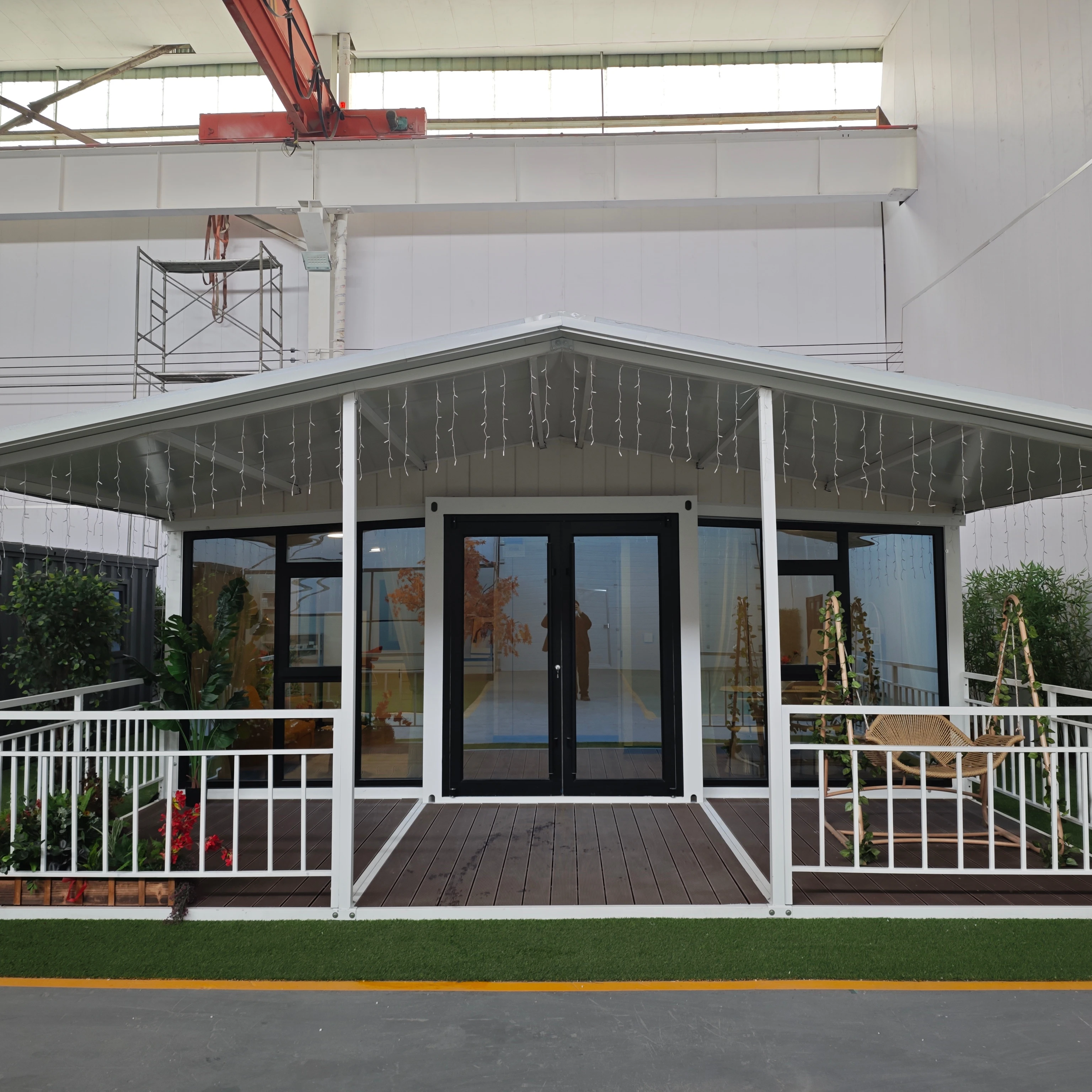
Many house manufacturers maintain customer experience centers or model homes where prospective buyers can see and touch actual products and materials. Virtual consultation services have expanded access to expert design guidance, enabling customers in remote locations to receive the same level of support as those near manufacturing facilities. Detailed project timelines and regular progress updates help customers plan their overall construction projects effectively.
Post-Sale Support and Warranty Programs
Comprehensive warranty programs and ongoing customer support are essential components of the value proposition offered by leading house manufacturers. These programs typically include structural warranties, component warranties, and customer service support for questions or issues that may arise after installation. Many companies maintain dedicated customer service teams specifically trained to address post-sale inquiries and coordinate warranty service when needed.
Proactive customer communication programs keep homeowners informed about maintenance requirements, seasonal preparation recommendations, and available upgrades or improvements. Some house manufacturers offer annual maintenance inspection services to help ensure optimal performance and catch potential issues before they become significant problems. Customer feedback systems enable continuous improvement of products and services based on real-world performance data and user experiences.
FAQ
How do I choose the right house manufacturer for my project
Selecting the appropriate house manufacturer requires careful evaluation of multiple factors including their experience with projects similar to yours, quality standards, pricing transparency, and customer service reputation. Research their portfolio of completed projects, read customer reviews, and request references from recent clients. Verify their licensing, insurance coverage, and certifications relevant to your local market. Schedule facility tours and meet with their design team to assess their capabilities and communication style.
What price range should I expect when working with professional house manufacturers
Pricing from house manufacturers varies significantly based on size, customization level, materials selected, and geographic location. Entry-level manufactured homes typically start around forty to sixty thousand dollars, while luxury custom homes can exceed several hundred thousand dollars. Most house manufacturers provide detailed quotes that break down costs by category, including base structure, finish selections, delivery, and installation. Request quotes from multiple manufacturers to ensure competitive pricing for your specific requirements.
How long does the manufacturing and delivery process typically take
Manufacturing timelines depend on the complexity of your home design, current production schedules, and seasonal demand fluctuations. Standard home designs typically require four to eight weeks for manufacturing, while highly customized homes may take twelve weeks or longer. Weather conditions, material availability, and local permitting requirements can impact overall project timelines. Reputable house manufacturers provide realistic timeline estimates and regular progress updates throughout the manufacturing process.
What warranties and support do house manufacturers typically provide
Most established house manufacturers offer comprehensive warranty programs covering structural components, major systems, and material defects for specified periods. Structural warranties often extend ten years or longer, while mechanical systems and appliances typically include shorter-term coverage. Many manufacturers provide detailed maintenance guides and customer support services to help homeowners properly care for their homes. Review warranty terms carefully and understand what maintenance activities are required to maintain coverage.