 EN
EN
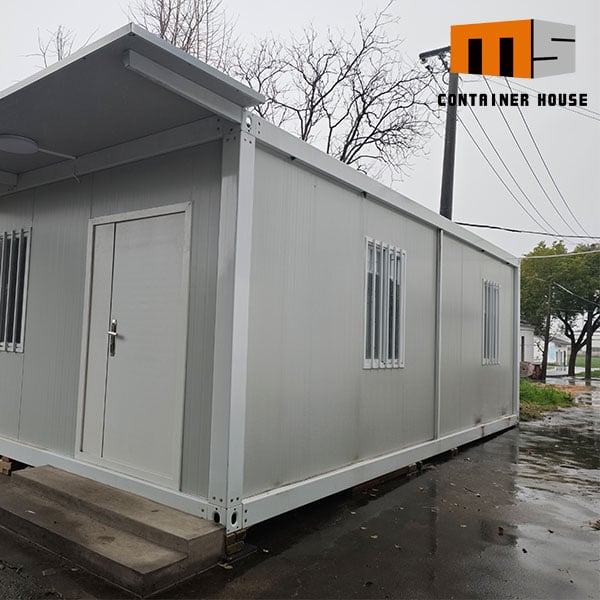
The construction industry has witnessed remarkable innovation in recent years, with the emergence of the foldable house representing one of the most exciting developments. These revolutionary structures combine affordability, sustainability, and convenience in ways traditional housing never could. Understanding the true cost of a foldable house involves examining multiple factors beyond the initial purchase price, from shipping and installation to long-term maintenance and customization options.
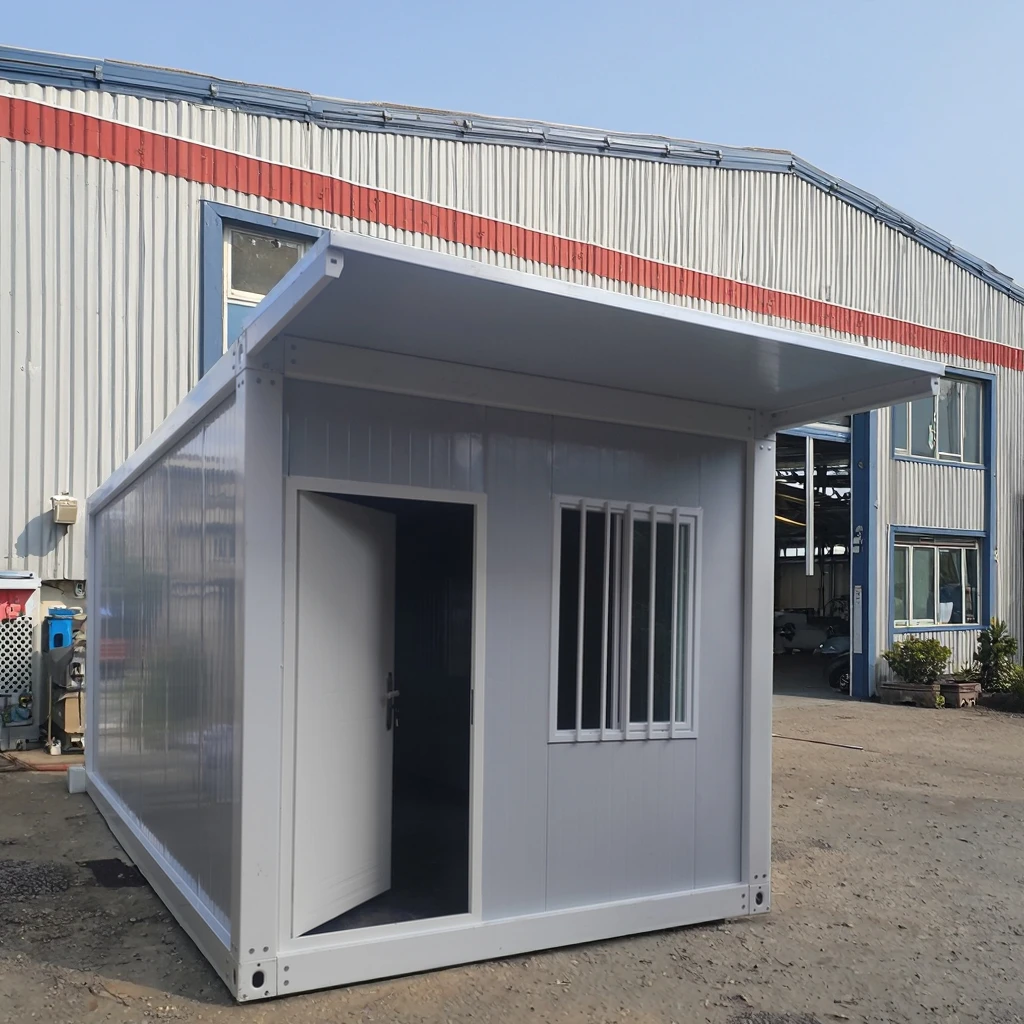
Modern foldable house designs offer unprecedented flexibility for homeowners, businesses, and organizations seeking rapid deployment solutions. The pricing structure for these innovative buildings varies significantly based on size, materials, features, and manufacturing quality. Many buyers discover that investing in a premium foldable house delivers superior long-term value compared to budget alternatives that may require frequent repairs or replacement.
Initial Purchase Pricing Structure
Entry-Level Foldable House Options
Basic foldable house models typically range from $15,000 to $35,000 for standard residential units. These entry-level options usually feature essential amenities including insulation, electrical systems, and basic plumbing connections. The affordability of these models makes the foldable house concept accessible to first-time buyers, students, or those seeking temporary housing solutions.
Entry-level pricing often reflects simplified designs with standard materials and minimal customization options. However, even basic models incorporate the fundamental advantages that make the foldable house attractive: rapid assembly, portability, and energy efficiency. Buyers should carefully evaluate included features to ensure the base model meets their specific requirements.
Mid-Range Market Segment
Mid-range foldable house options typically cost between $35,000 and $65,000, offering enhanced features and superior construction quality. These models often include upgraded insulation, premium flooring materials, enhanced electrical systems, and more sophisticated climate control options. The additional investment usually translates to improved comfort and durability.
Many buyers find mid-range models provide the optimal balance between affordability and functionality. These units frequently incorporate modular design elements that allow for future expansion or reconfiguration. The enhanced build quality in this price segment often results in lower maintenance costs and extended lifespan compared to budget alternatives.
Premium Foldable House Solutions
High-end foldable house models can range from $65,000 to $150,000 or more, depending on size and luxury features. Premium options often include smart home technology, high-grade materials, advanced insulation systems, and custom architectural elements. These sophisticated units rival traditional homes in comfort and aesthetics.
Luxury foldable house designs frequently incorporate sustainable technologies such as solar panels, rainwater collection systems, and energy-efficient appliances. The higher initial investment often generates significant long-term savings through reduced utility costs and minimal environmental impact.
Additional Cost Considerations
Shipping and Transportation Expenses
Transportation costs represent a significant factor in overall foldable house pricing, particularly for international purchases. Domestic shipping within major markets typically adds $2,000 to $8,000 to the total cost, depending on distance and unit size. International shipping can increase costs substantially, sometimes adding $10,000 or more to the final price.
The compact nature of a properly designed foldable house actually minimizes shipping costs compared to traditional modular construction. Most units can be transported in standard shipping containers, reducing logistics complexity and associated expenses. Buyers should factor transportation costs into their budget planning to avoid unexpected financial surprises.
Site Preparation and Foundation Requirements
Foundation preparation costs vary dramatically based on location, soil conditions, and local building codes. Simple concrete pad foundations might cost $3,000 to $8,000, while more complex foundation systems could require $10,000 to $20,000 or more. The lightweight nature of most foldable house designs often reduces foundation requirements compared to traditional construction.
Site preparation may also include utility connections, drainage systems, and access road improvements. Professional site assessment helps identify potential challenges and associated costs before purchase. Many buyers underestimate these expenses, so thorough planning prevents budget overruns during the installation phase.
Permits and Regulatory Compliance
Building permits and regulatory approval processes add both time and expense to foldable house projects. Permit costs typically range from $500 to $5,000, depending on local regulations and project complexity. Some jurisdictions have streamlined approval processes for prefabricated structures, while others require extensive documentation and inspections.
Working with experienced contractors familiar with foldable house installations can expedite the permitting process and ensure compliance with all applicable codes. Professional guidance helps navigate complex regulatory requirements and prevents costly delays or modifications.
Long-Term Investment Analysis
Maintenance and Operational Costs
Maintenance expenses for a well-built foldable house typically remain lower than traditional construction due to simplified systems and quality materials. Annual maintenance costs usually range from $500 to $2,000, covering routine inspections, minor repairs, and system updates. The modular nature of most designs simplifies component replacement and upgrades.
Energy efficiency features common in modern foldable house designs significantly reduce operational costs. Many owners report utility bills 40-60% lower than comparable traditional homes. Solar panels and other sustainable technologies can further reduce long-term operational expenses while increasing property value.
Resale Value and Market Appreciation
The growing acceptance of alternative housing solutions has positively impacted foldable house resale values. Well-maintained units from reputable manufacturers often retain 70-80% of their original value after five years. Premium models with desirable features may appreciate in value, particularly in markets with housing shortages.
Market demand for sustainable, affordable housing continues increasing, creating favorable conditions for foldable house resale. The portability advantage allows owners to relocate their investment, providing flexibility unavailable with traditional real estate. This mobility can be particularly valuable for professionals or families with changing location requirements.
Customization and Upgrade Options
Interior Finishing and Appliance Packages
Customization options significantly impact overall foldable house costs but allow buyers to create personalized living spaces. Interior upgrade packages typically add $5,000 to $25,000 to base prices, depending on selected finishes and appliances. Premium materials, smart home features, and luxury fixtures can substantially increase the final investment.
Many manufacturers offer modular upgrade systems that allow future enhancements without major reconstruction. This approach enables buyers to start with basic configurations and add features over time as budgets allow. The flexibility to customize makes each foldable house unique while maintaining cost control.
Expansion and Modular Additions
Expandable foldable house designs accommodate growing space requirements through modular additions. Additional units typically cost 70-80% of the original base price, as foundation and utility connections already exist. This scalability provides long-term flexibility for families or businesses with evolving needs.
Modular expansion capabilities represent a key advantage of the foldable house concept over traditional construction. Adding rooms or functional spaces requires minimal site disruption and can often be completed within days rather than months. This efficiency reduces both costs and inconvenience associated with home expansion projects.
Financing and Purchase Options
Traditional Lending Considerations
Financing a foldable house purchase can present unique challenges, as traditional mortgage lenders may have limited experience with alternative housing types. Some lenders classify these structures as personal property rather than real estate, affecting available loan terms and interest rates. Specialized lenders increasingly offer programs tailored to prefabricated and modular housing.
Cash purchases remain common in the foldable house market, allowing buyers to avoid lending complications and potentially negotiate better prices. However, financing options continue expanding as mainstream acceptance grows. Researching multiple lending sources helps identify the most favorable terms for individual situations.
Manufacturer Financing Programs
Many foldable house manufacturers now offer direct financing programs to simplify the purchase process. These arrangements often feature competitive interest rates and streamlined approval processes designed specifically for their products. Manufacturer financing can expedite delivery timelines and provide warranty protection throughout the loan term.
Direct financing arrangements frequently include installation and setup services, creating comprehensive purchase packages. This integration reduces coordination challenges and ensures proper installation by factory-trained technicians. The convenience of single-source purchasing and financing appeals to many buyers seeking simplified transactions.
FAQ
What is the average total cost including installation for a basic foldable house
The total cost for a basic foldable house including installation typically ranges from $25,000 to $50,000. This includes the unit purchase price, shipping, basic foundation preparation, and professional installation. Additional costs for permits, utility connections, and site improvements may add $5,000 to $15,000 depending on location and requirements.
How do foldable house costs compare to traditional home construction
Foldable house costs are typically 40-70% lower than traditional construction on a per-square-foot basis. While a traditional home might cost $150-250 per square foot, a foldable house often costs $60-120 per square foot including installation. The significant cost savings come from factory efficiency, reduced labor requirements, and streamlined construction processes.
Are there ongoing costs specific to foldable house ownership
Ongoing costs for foldable house ownership are generally lower than traditional homes due to energy-efficient design and simplified systems. Annual maintenance typically costs $500-2,000, while utility expenses are often 40-60% lower than comparable traditional homes. Some units may require periodic inspections or certifications depending on local regulations.
Can foldable house costs be reduced through bulk purchases or community projects
Yes, significant cost reductions are possible through bulk purchases or community development projects. Multiple unit orders often qualify for 10-25% discounts from manufacturers. Community projects can also share foundation preparation, utility installation, and permit costs, reducing individual unit expenses. Some developers offer group purchase programs that provide additional savings and coordinated installation services.