
 EN
EN
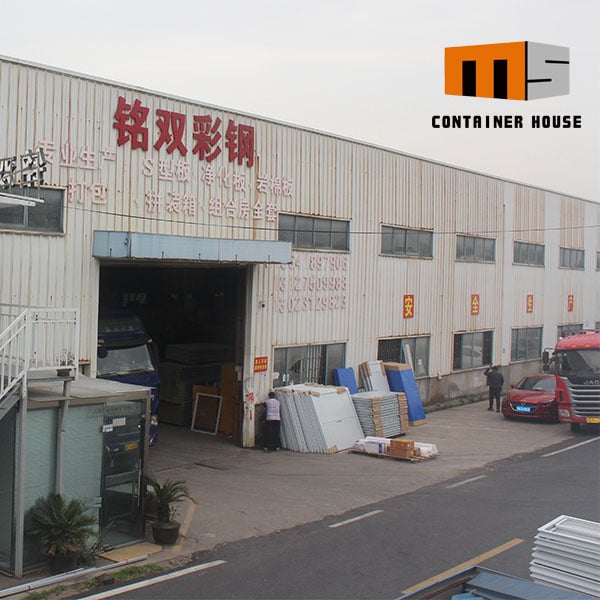
The modern construction landscape has evolved dramatically, presenting homeowners with diverse building options that extend far beyond traditional construction methods. House manufacturers have emerged as a compelling alternative to conventional builders, offering streamlined processes, cost-effective solutions, and innovative approaches to residential construction. Understanding the fundamental differences between these two construction methodologies is crucial for anyone considering building a new home, as each approach offers distinct advantages that cater to different needs, budgets, and timelines.
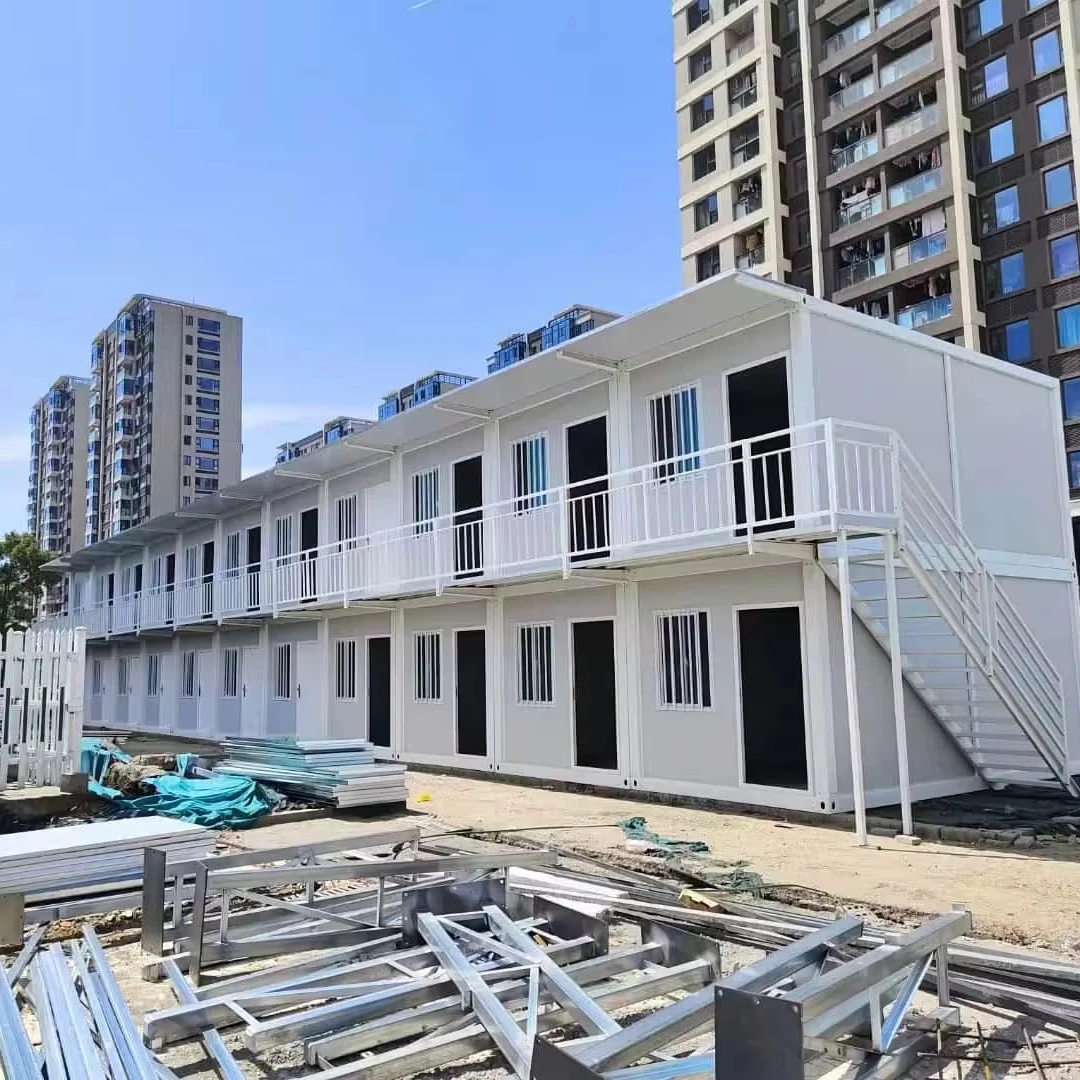
The distinction between house manufacturers and traditional builders encompasses multiple factors including construction methods, quality control, pricing structures, and project timelines. While traditional builders construct homes on-site using conventional methods, house manufacturers utilize controlled factory environments to produce residential structures with greater precision and efficiency. This fundamental difference in approach creates ripple effects throughout the entire construction process, influencing everything from material sourcing to final delivery.
Manufacturing Process and Construction Methods
Factory-Based Production Advantages
House manufacturers operate within controlled factory environments that offer numerous advantages over traditional on-site construction. These facilities maintain consistent working conditions regardless of weather, allowing for uninterrupted production schedules and superior quality control. The assembly-line approach enables manufacturers to optimize workflows, reduce material waste, and implement standardized quality checkpoints throughout the construction process.
Factory-based construction allows house manufacturers to leverage specialized equipment and tools that would be impractical for on-site use. This includes precision cutting machinery, automated assembly systems, and climate-controlled curing environments that ensure optimal material performance. The controlled environment also facilitates better inventory management and just-in-time delivery of components, reducing storage costs and material degradation.
Traditional On-Site Construction Characteristics
Traditional builders rely on on-site construction methods that have been refined over centuries. This approach involves coordinating multiple trades and subcontractors at the construction site, with each phase of construction dependent on the completion of previous stages. Weather conditions, site accessibility, and local regulations significantly impact project timelines and construction quality.
The traditional building process offers greater flexibility for customization and site-specific adaptations. Builders can make real-time adjustments to accommodate unique site conditions, incorporate last-minute design changes, and utilize locally sourced materials. However, this flexibility often comes at the cost of extended construction timelines and increased susceptibility to weather-related delays.
Quality Control and Standardization
Manufacturing Quality Assurance Systems
House manufacturers implement comprehensive quality assurance systems that surpass typical on-site inspection protocols. Factory environments enable continuous monitoring of construction processes, with quality control checkpoints integrated at every stage of production. This systematic approach ensures consistent quality across all units and reduces the likelihood of construction defects.
The standardized nature of factory production allows house manufacturers to develop refined construction techniques and identify optimal material specifications through extensive testing and iteration. Quality control teams can inspect work at optimal lighting conditions and accessibility, ensuring thorough evaluation of all components before assembly. This controlled environment also facilitates the implementation of advanced testing procedures that would be challenging to perform on traditional construction sites.
Traditional Builder Quality Management
Traditional builders typically rely on periodic inspections conducted by building officials, third-party inspectors, and internal quality control personnel. While experienced builders maintain high standards, the on-site nature of construction introduces variables that can impact consistency. Weather conditions, varying skill levels among subcontractors, and site-specific challenges can influence the final quality of construction.
Traditional construction quality often depends heavily on the expertise and reputation of individual builders and their subcontractor networks. Established builders with strong quality management systems can deliver exceptional results, but the decentralized nature of on-site construction makes standardization more challenging compared to factory-based production methods.
Cost Structure and Pricing Models
Manufacturing Cost Efficiency
House manufacturers benefit from economies of scale that traditional builders cannot easily replicate. Bulk material purchasing, standardized designs, and optimized production processes contribute to significant cost reductions. The factory environment eliminates many of the inefficiencies associated with on-site construction, including weather-related delays, material theft, and coordination challenges between multiple trades.
Manufacturing operations can leverage lean production principles to minimize waste and optimize resource utilization. Predictable production schedules enable better workforce planning and reduced labor costs per unit. Additionally, house manufacturers often maintain strategic partnerships with material suppliers, securing preferential pricing that translates to cost savings for customers.
Traditional Builder Pricing Considerations
Traditional builders typically operate with higher overhead costs due to the nature of on-site construction. Project-specific costs include site preparation, temporary utilities, security, and weather protection measures. The coordination of multiple subcontractors and extended project timelines contribute to increased labor and management expenses.
Traditional construction pricing models often include contingency allowances to account for unforeseen circumstances, weather delays, and change orders. While this approach provides flexibility, it can result in higher overall project costs compared to the more predictable pricing structures offered by house manufacturers.
Timeline and Delivery Schedules
Manufacturing Production Speed
House manufacturers excel in delivering projects within compressed timeframes due to their controlled production environments and standardized processes. Factory production can proceed simultaneously with site preparation activities, significantly reducing overall project duration. Most manufactured homes can be completed in a fraction of the time required for traditional construction.
The predictable nature of factory production enables house manufacturers to provide accurate delivery schedules with minimal risk of delays. Weather-independent production, optimized workflows, and readily available materials contribute to reliable timeline adherence that customers can depend upon for planning purposes.
Traditional Construction Timelines
Traditional construction projects are subject to numerous factors that can extend completion timelines. Weather conditions, permit approval processes, material delivery schedules, and subcontractor availability all influence project duration. Sequential construction phases mean that delays in one area can cascade throughout the entire project timeline.
While traditional builders work to minimize delays through careful planning and project management, the inherent complexity of coordinating multiple trades and external factors makes timeline predictability more challenging compared to controlled manufacturing environments.
Customization and Design Flexibility
Manufacturing Customization Options
Modern house manufacturers offer extensive customization options within their standardized production systems. Modular design approaches allow customers to select from various floor plans, exterior finishes, interior fixtures, and optional features. Advanced manufacturing systems can accommodate significant customization while maintaining production efficiency.
House manufacturers increasingly utilize computer-aided design and manufacturing technologies to provide personalized solutions without sacrificing the benefits of standardized production. This approach enables customers to achieve unique aesthetic and functional requirements while benefiting from manufacturing efficiencies.
Traditional Builder Flexibility
Traditional builders offer virtually unlimited customization possibilities, constrained primarily by budget, building codes, and structural engineering requirements. This flexibility enables truly unique architectural designs, site-specific adaptations, and incorporation of specialized features that may not be feasible in manufacturing environments.
The traditional building approach accommodates evolving customer preferences throughout the construction process, allowing for design modifications and upgrades as projects progress. However, this flexibility often comes with associated costs and potential timeline implications that customers must consider.
Environmental Impact and Sustainability
Manufacturing Environmental Benefits
House manufacturers typically demonstrate superior environmental performance through optimized material utilization, reduced waste generation, and energy-efficient production processes. Factory environments enable precise material cutting and assembly, minimizing construction waste that would otherwise require disposal.
Controlled production environments allow house manufacturers to implement comprehensive recycling programs and sustainable material sourcing practices. The efficiency gains inherent in manufacturing processes translate to reduced overall environmental impact per housing unit produced.
Traditional Construction Environmental Considerations
Traditional construction sites typically generate more waste due to the nature of on-site assembly and material handling. However, traditional builders often have greater flexibility in incorporating locally sourced materials and implementing site-specific sustainability measures that may not be feasible in manufacturing environments.
The environmental impact of traditional construction varies significantly based on builder practices, material choices, and construction methodologies employed. Progressive traditional builders increasingly adopt sustainable practices, though implementation consistency may vary across projects.
Financing and Insurance Considerations
Manufacturing Financing Options
House manufacturers often provide streamlined financing solutions that accommodate the unique aspects of manufactured home purchases. These may include partnerships with specialized lenders who understand the manufacturing process and can offer appropriate loan products for customers.
The standardized nature of manufactured homes can facilitate more predictable appraisal processes and insurance requirements. However, customers should carefully evaluate financing terms and ensure that manufactured homes meet local building codes and zoning requirements that may affect loan eligibility.
Traditional Construction Financing
Traditional construction typically utilizes conventional construction-to-permanent loan products that are widely available from various lenders. These financing options are well-established and understood by real estate professionals, appraisers, and insurance providers.
The familiarity of traditional construction financing can simplify the approval process and provide customers with numerous lending options. However, construction loans often require more complex documentation and progress-based funding disbursements compared to manufactured home financing.
FAQ
What is the main difference between house manufacturers and traditional builders
The primary difference lies in the construction environment and methodology. House manufacturers build homes in controlled factory settings using assembly-line processes, while traditional builders construct homes on-site using conventional methods. This fundamental difference affects quality control, timelines, costs, and customization options available to homeowners.
Are manufactured homes as durable as traditionally built homes
Modern manufactured homes built by reputable house manufacturers can match or exceed the durability of traditionally constructed homes. Factory-controlled environments enable consistent quality control, precise material installation, and comprehensive testing procedures. However, durability ultimately depends on the specific manufacturer, materials used, and adherence to applicable building codes and standards.
How do costs compare between manufactured and traditional construction
House manufacturers typically offer more cost-effective solutions due to economies of scale, standardized production processes, and reduced labor costs. Manufacturing efficiencies can result in savings of 10-30% compared to traditional construction, though final costs depend on customization levels, site preparation requirements, and local market conditions.
Can manufactured homes be customized to the same extent as traditional builds
While house manufacturers offer extensive customization options within their production systems, traditional builders provide virtually unlimited customization possibilities. Modern manufacturing approaches increasingly accommodate significant personalization, but traditional construction remains superior for unique architectural designs or highly specialized features that require extensive modification from standard manufacturing processes.