
 EN
EN
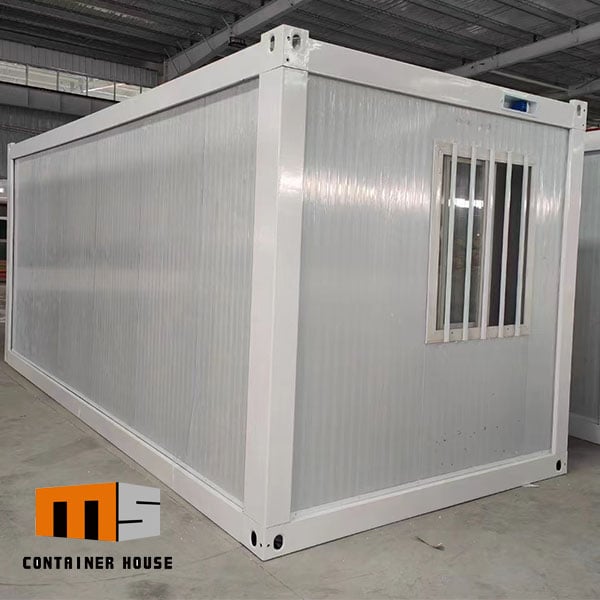
The modern housing landscape is witnessing a revolutionary shift as more people explore alternative living solutions beyond conventional construction methods. Among these innovative approaches, the container house has emerged as a compelling option that challenges traditional homebuilding concepts. This sustainable and cost-effective housing solution transforms shipping containers into functional living spaces, offering unique advantages that appeal to environmentally conscious individuals and those seeking affordable homeownership. Understanding the fundamental differences between container houses and traditional homes requires examining various factors including construction timeline, environmental impact, customization possibilities, and long-term value considerations.
Construction Timeline and Process Efficiency
Speed of Assembly and Installation
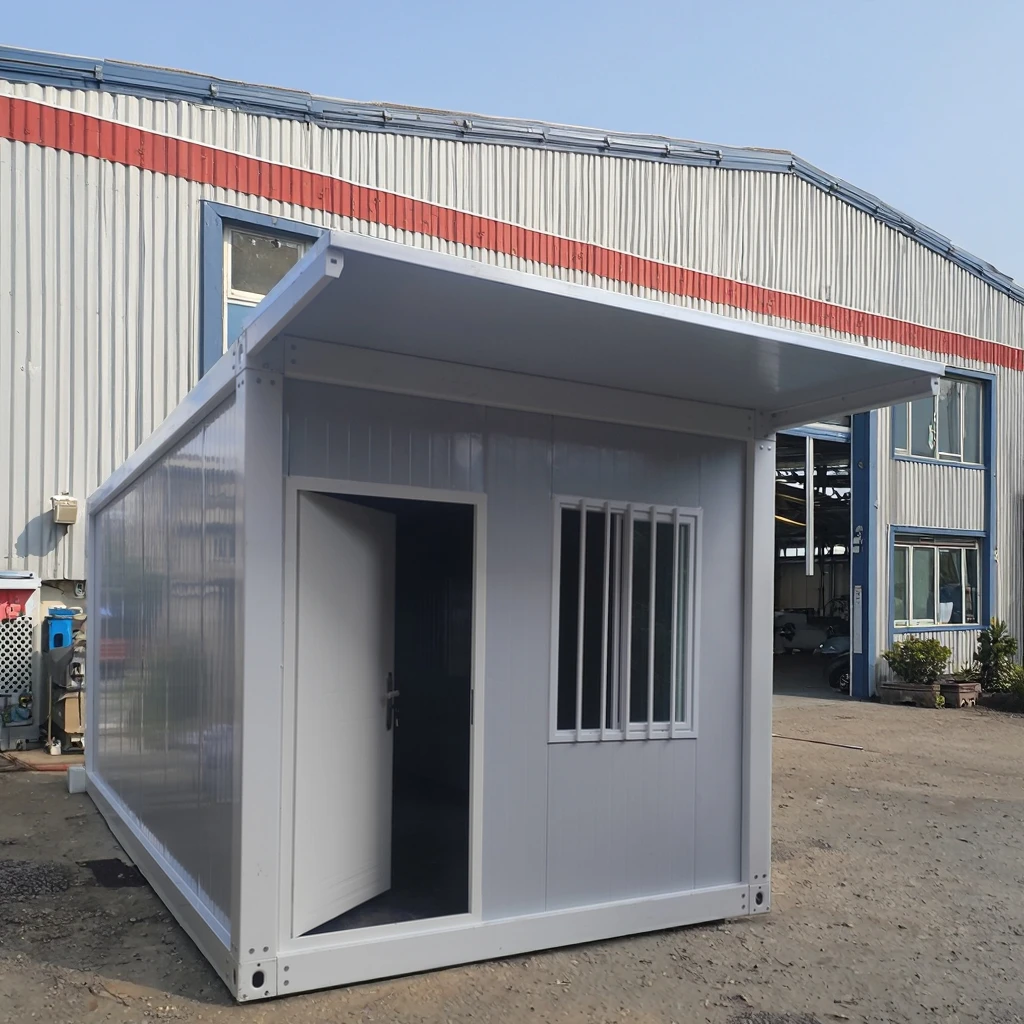
Container housing construction dramatically reduces building timelines compared to traditional home construction methods. A standard container house can be assembled and made habitable within weeks rather than months, depending on the complexity of the design and customization requirements. This accelerated construction process stems from the pre-fabricated nature of shipping containers, which arrive on-site as structural shells ready for modification. Professional contractors can quickly install electrical systems, plumbing, insulation, and interior finishes without the extensive foundation work and framing required for conventional homes.
Traditional home construction involves multiple phases including site preparation, foundation pouring, framing, roofing, and sequential installation of various systems. Weather conditions can significantly delay traditional construction, while container houses offer more predictable timelines due to their modular nature. The streamlined construction process also reduces labor costs and minimizes the coordination challenges typically associated with managing multiple subcontractors across extended construction periods.
Permitting and Regulatory Considerations
Obtaining building permits for container houses can present unique challenges that differ significantly from traditional home permitting processes. Many local building codes have not yet adapted to accommodate container housing, requiring property owners to work closely with municipal authorities to ensure compliance with safety and zoning regulations. Some jurisdictions classify container houses as temporary structures, which may limit their placement in certain residential areas or affect property tax assessments.
Traditional homes benefit from well-established building codes and standardized permitting procedures that contractors and architects understand thoroughly. The regulatory framework for conventional construction has evolved over decades, creating clear guidelines for materials, structural requirements, and safety standards. However, progressive municipalities are increasingly recognizing container housing as legitimate residential structures, developing specific codes that address the unique characteristics of converted shipping containers.
Cost Analysis and Financial Considerations
Initial Investment and Material Costs
The upfront costs of container house construction typically range from 20% to 50% lower than comparable traditional homes, depending on the level of customization and finish quality desired. A basic shipping container suitable for residential conversion costs between $2,000 and $5,000, providing the primary structural framework at a fraction of traditional building material costs. Additional expenses include insulation, electrical work, plumbing, windows, doors, and interior finishes, but the overall material requirements remain substantially lower than conventional construction.
Traditional home construction involves extensive material costs including foundation materials, lumber, roofing systems, siding, and various structural components that can accumulate significant expenses before any interior work begins. The standardized nature of container construction allows for more predictable cost estimation, while traditional home costs can vary dramatically based on material choices, site conditions, and design complexity. Container houses also reduce waste generation during construction, contributing to additional cost savings through improved material efficiency.
Long-term Value and Resale Potential
The resale market for container houses remains relatively niche compared to traditional homes, potentially affecting long-term investment value and marketability. While container houses appeal to specific buyer segments interested in sustainable living and unique architectural features, they may face challenges in mainstream real estate markets where conventional homes dominate buyer preferences. The innovative nature of container housing can be both an advantage and disadvantage depending on local market conditions and buyer demographics.
Traditional homes generally maintain more stable resale values due to established market demand and widespread acceptance among buyers and lenders. Financing options for traditional homes are more readily available through conventional mortgage products, while container house financing may require alternative lending solutions or cash purchases. However, as sustainability awareness increases and housing affordability challenges persist, container houses may gain broader acceptance and improved resale prospects in future real estate markets.
Environmental Impact and Sustainability
Resource Conservation and Recycling Benefits
Container housing represents an exceptional example of upcycling industrial materials for residential purposes, transforming decommissioned shipping containers that might otherwise become waste into functional living spaces. Each repurposed container eliminates approximately 3,500 kilograms of steel from potential landfill disposal while reducing the demand for new construction materials. This circular economy approach significantly decreases the environmental footprint associated with residential construction by extending the useful life of existing industrial infrastructure.
The manufacturing process for traditional home construction materials requires substantial energy inputs and generates considerable carbon emissions throughout the supply chain. Lumber harvesting, steel production, concrete manufacturing, and transportation of building materials contribute to significant environmental impacts that container houses largely avoid by utilizing existing structures. The reduced material requirements for container house construction also minimize transportation needs and associated fuel consumption during the building process.
Energy Efficiency and Carbon Footprint
Modern container houses can achieve excellent energy efficiency through proper insulation strategies and sustainable design principles. The compact size of most container house designs naturally reduces heating and cooling requirements compared to larger traditional homes. Advanced insulation materials and techniques can address the thermal bridging challenges associated with steel construction, creating comfortable living environments with minimal energy consumption.
Traditional homes vary widely in energy efficiency depending on construction methods, insulation quality, and system specifications. While well-designed traditional homes can achieve high efficiency ratings, the larger floor plans typical of conventional construction generally require more energy for heating, cooling, and lighting. Container houses encourage minimalist living approaches that inherently reduce resource consumption and environmental impact through smaller space requirements and simplified mechanical systems.
Design Flexibility and Customization Options
Architectural Possibilities and Limitations
Container house design offers unique architectural opportunities while presenting specific constraints related to the rectangular shipping container form factor. Creative architects and designers have developed innovative approaches to combine multiple containers, create interesting angles, and incorporate traditional building elements to expand design possibilities. The modular nature of containers allows for future expansion through additional container integration, providing scalable housing solutions that can adapt to changing needs over time.
Traditional home construction provides virtually unlimited design flexibility, constrained primarily by budget, local building codes, and site conditions. Architects can create custom floor plans, incorporate complex rooflines, and utilize diverse materials to achieve specific aesthetic goals. The established construction industry supporting traditional homes offers extensive options for windows, doors, fixtures, and finishes that may require modification or special ordering for container applications.
Interior Space Optimization
The compact dimensions of shipping containers demand creative interior design solutions to maximize functional space within the available square footage. Standard containers provide approximately 160 square feet of floor space, requiring efficient layouts and multi-functional furniture to create comfortable living environments. This constraint encourages innovative storage solutions, convertible spaces, and minimalist design principles that can result in surprisingly functional small homes when properly executed.
Traditional homes typically offer more generous interior space that accommodates conventional furniture arrangements and room configurations. The larger floor plans common in traditional construction provide dedicated spaces for specific functions without requiring the space-saving strategies essential in container house design. However, the spatial constraints of container houses can promote more intentional living practices and reduce accumulation of unnecessary possessions.
Maintenance and Durability Considerations
Structural Integrity and Weather Resistance
Shipping containers are engineered to withstand extreme weather conditions and heavy loads during marine transportation, providing excellent structural integrity for residential applications. The steel construction offers superior resistance to wind, seismic activity, and impact damage compared to many traditional building materials. However, proper treatment of cut openings and welded connections is essential to maintain structural strength and prevent moisture infiltration that could lead to corrosion issues over time.
Traditional homes utilize diverse materials with varying durability characteristics depending on construction quality and regional climate conditions. Wood frame construction requires regular maintenance to prevent rot, insect damage, and structural deterioration, while masonry and steel frame traditional homes may offer superior longevity. The maintenance requirements for traditional homes are well-understood by contractors and homeowners, with established procedures for addressing common issues and extending building lifespan.
Insulation and Climate Control Challenges
The steel construction of containers creates thermal bridging challenges that require careful attention during insulation installation to achieve comfortable interior conditions. Condensation control becomes critical in container houses due to the temperature differential between interior and exterior steel surfaces. Proper vapor barriers, ventilation systems, and insulation strategies can address these challenges, but they require specialized knowledge and potentially higher-quality materials than traditional construction methods.
Traditional home construction typically incorporates proven insulation and climate control methods that building professionals understand thoroughly. The wood or masonry construction common in traditional homes provides better thermal performance characteristics than steel, reducing the complexity of achieving effective insulation. Established HVAC systems and installation practices for traditional homes create predictable comfort levels and energy performance that homeowners can easily maintain and repair.
FAQ
How long do container houses typically last compared to traditional homes
Container houses can last 25-30 years or longer with proper maintenance and corrosion prevention, though this is generally shorter than well-built traditional homes which can last 50-100 years. The lifespan depends heavily on climate conditions, maintenance quality, and the initial condition of the container. Regular inspection and treatment of any rust or structural issues can significantly extend container house longevity.
Are container houses safe during extreme weather events
Container houses offer excellent structural strength and can withstand high winds, earthquakes, and heavy snow loads better than many traditional construction methods. However, proper anchoring to foundations and professional installation of modifications like windows and doors are essential for safety. The steel construction provides superior impact resistance compared to wood frame traditional homes.
What financing options are available for container house purchases
Financing container houses can be more challenging than traditional homes, as many conventional mortgage lenders are unfamiliar with this construction type. Options include personal loans, construction loans, alternative lenders specializing in unique properties, or cash purchases. Some lenders are becoming more accommodating as container houses gain acceptance in residential markets.
Can container houses be expanded or modified after initial construction
Container houses offer excellent expansion possibilities through the addition of more containers or traditional construction elements. The modular nature allows for horizontal or vertical expansion, and containers can be connected through various methods. However, any structural modifications should be performed by qualified professionals to maintain safety and building code compliance.