
 EN
EN
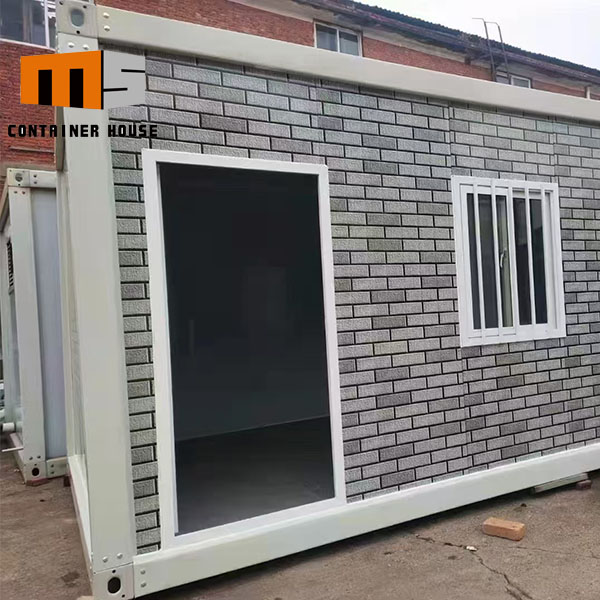
Building a container house has become an increasingly popular alternative to traditional construction methods, offering affordability, sustainability, and modern design flexibility. Whether you're looking to create a permanent residence, vacation home, or workspace, constructing a container house provides unique advantages that appeal to environmentally conscious builders and budget-minded homeowners alike. This comprehensive guide will walk you through every aspect of container house construction, from initial planning and design considerations to the final finishing touches that transform a shipping container into a comfortable living space.
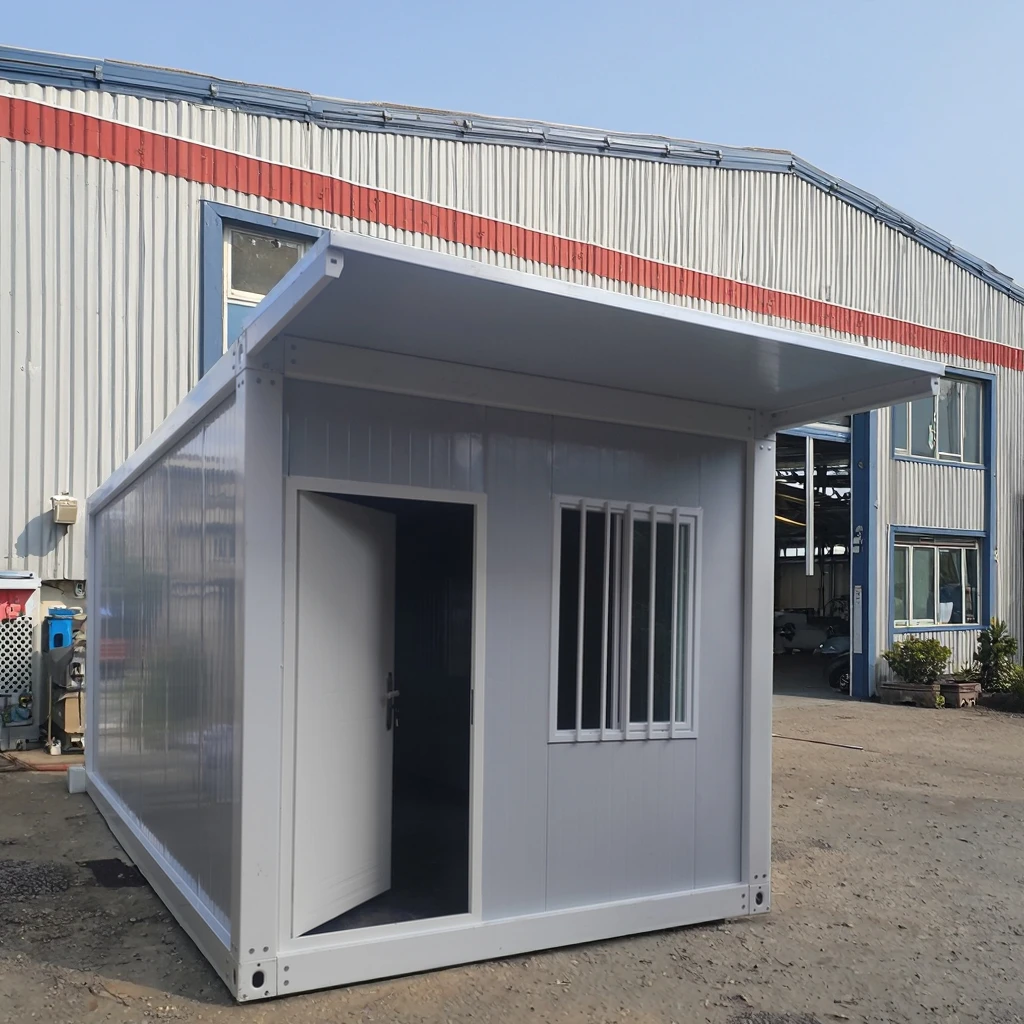
Planning Your Container House Project
Selecting the Right Container Type
The foundation of any successful container house project begins with choosing the appropriate shipping container. Standard containers come in 20-foot and 40-foot lengths, with 40-foot high-cube containers being particularly popular for residential applications due to their extra height of 9.5 feet compared to the standard 8.5 feet. When selecting containers, prioritize those in good structural condition with minimal rust and corrosion. One-trip containers, which have only made a single journey from manufacturer to destination, offer the best condition but come at a premium price.
Consider the number of containers needed for your container house design and how they will be arranged. Single-container homes work well for minimalist living or as studio spaces, while multi-container configurations can create larger floor plans with distinct room divisions. The container's cargo doors should be evaluated for their intended use in your design, as they can serve as large openings for patios or be replaced entirely with custom window and door configurations.
Design Considerations and Layout Planning
Effective design planning for your container house involves maximizing the limited space while maintaining structural integrity. Standard shipping containers measure 8 feet wide by 8.5 feet tall internally, creating unique spatial challenges that require creative solutions. Consider the placement of essential systems like plumbing, electrical, and HVAC early in the design process, as these will significantly impact your layout options and construction sequence.
Think about natural light sources and ventilation patterns when planning window and door locations. Container houses benefit from strategic openings that prevent the interior from feeling cramped or bunker-like. Plan for adequate insulation space, as containers are essentially metal boxes that can become uncomfortably hot or cold without proper thermal barriers. Factor in ceiling height requirements for different areas, keeping in mind that insulation and interior finishes will reduce the available headroom.
Foundation and Site Preparation
Foundation Requirements for Container Houses
Proper foundation preparation is crucial for container house stability and longevity. While containers are designed to stack and bear significant weight at their corner posts, they require level, stable support points to prevent structural stress and warping. Concrete pier foundations are the most common and cost-effective solution, with piers positioned directly under each corner casting and at intermediate points along the container's length for additional support.
The foundation design must account for local building codes, soil conditions, and climate factors. In areas with expansive soils or freeze-thaw cycles, deeper foundations may be necessary to prevent shifting or heaving. Proper drainage around the foundation prevents water accumulation that could lead to container corrosion over time. Consider incorporating utilities access points in your foundation design, including electrical conduits and plumbing sleeves that will connect to your container house systems.
Site Preparation and Container Delivery
Site preparation extends beyond foundation installation to include access roads, utility connections, and crane or heavy equipment access for container placement. Coordinate container delivery with your construction schedule, ensuring the foundation is complete and cured before the container arrives. Most containers are delivered via flatbed truck and positioned using a crane or specialized container handling equipment.
Clear the site of obstacles and ensure adequate space for delivery vehicles to maneuver safely. Mark utility lines and establish temporary power and water sources for the construction process. Consider the final grading and landscaping plans during site preparation, as it's much easier to establish proper drainage and access paths before the container house is in place. Weather protection for tools and materials should also be planned, especially if construction will span multiple seasons.
Structural Modifications and Reinforcement
Cutting Openings for Windows and Doors
Creating openings in shipping containers requires careful planning and proper reinforcement to maintain structural integrity. Container strength comes from its corrugated steel walls acting as a unified structural system, so any cuts must be properly framed and reinforced. Mark all opening locations precisely and double-check measurements before cutting, as mistakes in container modification are expensive to correct.
Use appropriate cutting tools such as plasma cutters, angle grinders, or reciprocating saws with metal cutting blades. Cut openings slightly smaller than the final required size, then expand gradually to ensure perfect fit. Install steel frame reinforcement around each opening immediately after cutting to prevent the container walls from warping or losing structural strength. Professional welding is typically required for proper reinforcement installation.
Joining Multiple Containers
Multi-container house designs require secure connections between units to create a unified structure. Containers can be joined end-to-end, side-by-side, or in stacked configurations, each requiring different connection methods and structural considerations. Welded connections provide the strongest joints but require professional welding skills and equipment.
When joining containers, ensure proper alignment and level positioning before making permanent connections. Use temporary bracing to hold containers in position during the joining process. Consider thermal expansion and contraction in your connection design, especially for large multi-container configurations. Interior connections between containers often require removing portions of the container walls, creating large openings that must be properly framed and finished to provide seamless transitions between spaces.
Insulation and Climate Control Systems
Insulation Installation Methods
Effective insulation is essential for container house comfort and energy efficiency. Metal containers conduct heat and cold readily, making them uncomfortable without proper thermal barriers. Spray foam insulation provides excellent thermal performance and air sealing but requires professional installation and proper ventilation during application. Rigid foam board insulation offers good performance at lower cost and can be installed by skilled DIY builders.
Batt insulation works in container applications but requires careful installation to prevent thermal bridging through the metal structure. Consider using a combination of insulation types, with continuous exterior insulation to minimize thermal bridging and interior insulation for additional thermal mass. Vapor barriers are crucial in most climates to prevent condensation issues within the wall assembly. Plan insulation installation before electrical and plumbing rough-in to ensure proper coordination of systems.
HVAC System Design and Installation
Container house HVAC systems must be sized appropriately for the relatively small spaces while providing adequate air circulation and filtration. Mini-split heat pump systems are popular choices due to their efficiency, quiet operation, and flexibility in zoning different areas. Ductless systems eliminate the need for extensive ductwork installation within the limited ceiling and wall cavity space available in containers.
Ventilation is particularly important in container houses due to their tight construction and potential for moisture buildup. Install exhaust fans in bathrooms and kitchens, and consider whole-house ventilation systems or heat recovery ventilators in tightly sealed containers. Plan HVAC equipment locations carefully, considering both interior space requirements and exterior equipment placement. Proper refrigerant line routing and electrical connections require coordination with other building systems.
Electrical and Plumbing Installation
Electrical System Planning and Installation
Electrical system installation in container houses requires careful planning due to the metal structure and limited space for running cables. Use appropriate conduit and electrical boxes rated for the installation conditions, and ensure all connections meet local electrical codes. Ground the container properly to prevent electrical hazards, as the metal structure can conduct electricity if not properly grounded.
Plan circuit layouts to minimize cable runs and maximize convenience for occupants. Consider higher outlet densities than typical residential construction, as container house spaces may have different furniture arrangements and usage patterns. Install appropriate electrical service size based on anticipated loads, including HVAC equipment, kitchen appliances, and any workshop or office equipment. Smart home systems can add significant value and convenience to container house projects.
Plumbing System Design and Installation
Plumbing installation in container houses requires compact, efficient designs that maximize space utilization while providing necessary functionality. Plan plumbing layouts to minimize fixture distances and reduce the complexity of drain, waste, and vent systems. Consider using PEX piping for supply lines due to its flexibility and ease of installation in tight spaces.
Tankless water heaters save space and provide on-demand hot water, making them ideal for container house applications. Install proper insulation around supply lines to prevent freezing in cold climates and reduce energy losses. Drainage systems must be properly sloped and vented according to plumbing codes, which may require creative routing solutions within the container structure. Consider greywater recycling systems for environmentally conscious container house projects.
Interior Finishing and Space Optimization
Flooring Selection and Installation
Flooring choices for container houses should balance durability, comfort, and installation ease within the unique constraints of container construction. The original container flooring is typically marine-grade plywood treated with chemicals that may not be suitable for living spaces. Plan to replace or cover the original flooring with appropriate residential materials.
Luxury vinyl plank flooring offers excellent durability and water resistance while being relatively easy to install over existing subfloors. Polished concrete provides a modern aesthetic and excellent thermal mass properties. Traditional hardwood flooring can work in container houses but requires proper moisture control and acclimatization. Consider radiant floor heating systems for additional comfort and efficient heating in cold climates.
Wall and Ceiling Finishes
Interior finishes should complement the industrial aesthetic of container construction while providing comfort and functionality. Exposed container walls can be treated with appropriate primers and paints designed for metal surfaces, creating an authentic industrial look. Alternatively, frame interior walls to provide space for utilities and insulation while creating conventional finished surfaces.
Ceiling treatments require special consideration due to the corrugated container roof structure. Suspended ceilings provide easy access to utilities while creating a flat surface for conventional finishes. Wood planking or other architectural elements can add warmth and visual interest to container interiors. Consider acoustic treatments to reduce sound transmission and reverberation within the metal structure.
FAQ
What permits are required for building a container house
Permit requirements for container house construction vary significantly by location and intended use. Most jurisdictions require building permits for permanent container house installations, and the structure must comply with local building codes, zoning regulations, and safety standards. Contact your local building department early in the planning process to understand specific requirements, as some areas have restrictions on container house construction or require special approvals. Professional architectural or engineering drawings may be required for permit approval, particularly for multi-container or modified container designs.
How much does it cost to build a container house
Container house construction costs vary widely based on size, complexity, location, and finish level, but typically range from $150 to $400 per square foot for a completed home. Basic container modifications and finishes can cost as little as $50,000 for a simple single-container home, while luxury multi-container designs can exceed $200,000. Major cost factors include container purchase or rental, foundation work, structural modifications, utility installations, and interior finishes. DIY builders can reduce costs significantly by performing their own labor, but professional services are recommended for structural modifications, electrical, and plumbing work.
Are container houses energy efficient
Container houses can be very energy efficient when properly designed and constructed, but require careful attention to insulation and thermal bridging issues. The metal container structure conducts heat readily, making adequate insulation crucial for energy performance. Properly insulated container houses typically perform better than conventional stick-frame construction due to their tight building envelope and smaller interior volumes. Energy efficiency can be enhanced through high-performance windows, efficient HVAC systems, and renewable energy installations such as solar panels.
How long do container houses last
Well-maintained container houses can last 50 years or more, similar to conventional residential construction. The steel container structure is inherently durable and resistant to many environmental factors when properly treated and maintained. Key longevity factors include proper foundation design, adequate moisture control, regular maintenance of exterior finishes, and protection from corrosion. Containers used in marine environments may have reduced lifespans due to salt exposure, so careful inspection and treatment of any existing corrosion is important during the conversion process.