 EN
EN
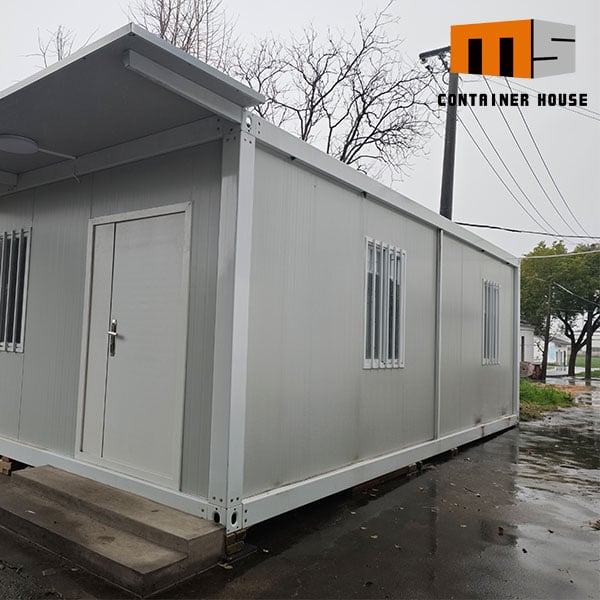
The housing industry is experiencing a revolutionary transformation with the emergence of innovative living solutions that prioritize mobility, sustainability, and affordability. Modern consumers increasingly seek alternatives to traditional construction methods, driving demand for flexible housing options that can adapt to changing lifestyles and economic conditions. This shift has sparked significant interest in portable living solutions that offer the comfort of permanent structures while maintaining the flexibility of temporary accommodations.
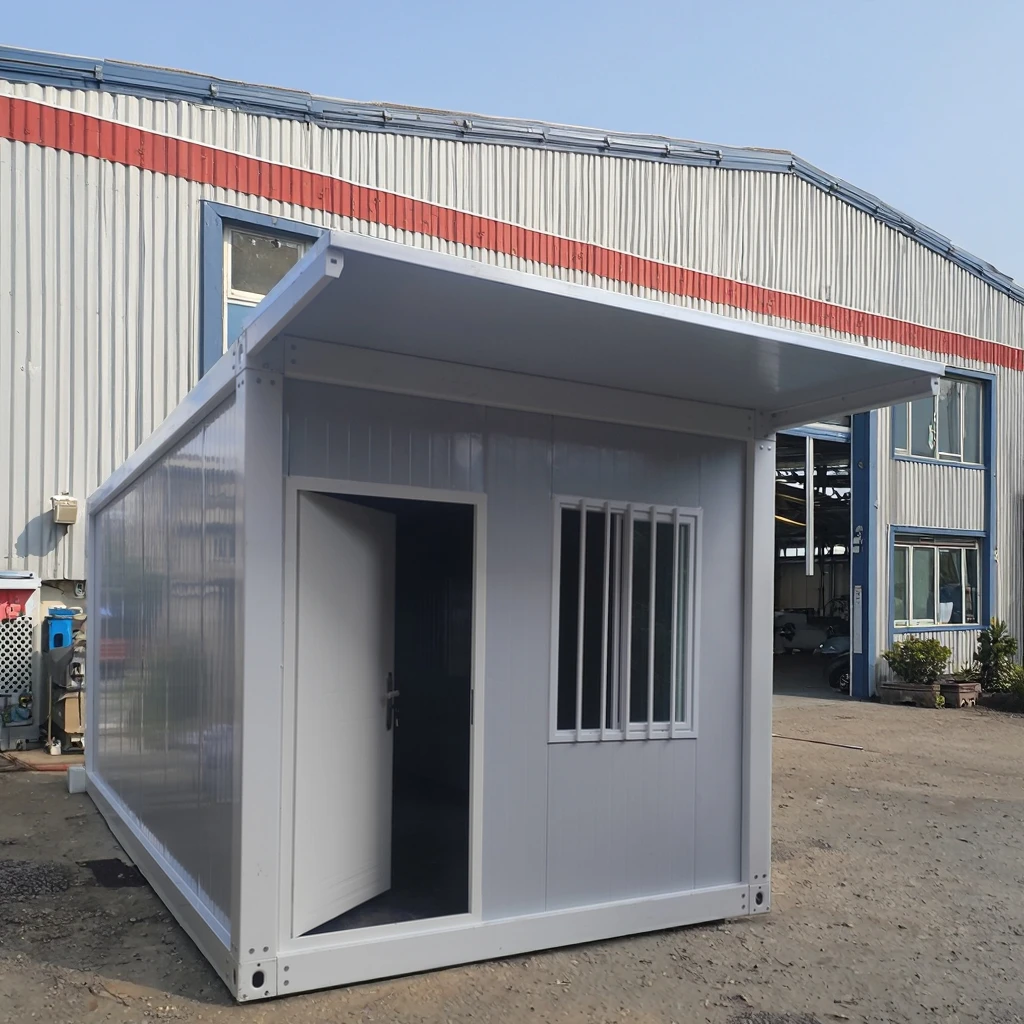
Among the most promising developments in portable architecture, foldable house technology stands out as a game-changing innovation that addresses multiple housing challenges simultaneously. These structures combine engineering excellence with practical functionality, offering solutions for emergency housing, temporary workforce accommodations, and sustainable living initiatives. The growing acceptance of modular construction methods has paved the way for wider adoption of these versatile building systems across various sectors.
Understanding Foldable House Technology
Core Design Principles
The foundation of foldable house design rests on advanced engineering principles that maximize structural integrity while minimizing assembly complexity. These innovative structures utilize lightweight yet durable materials, including high-strength steel frames and insulated panels that provide excellent thermal performance. The folding mechanism incorporates precision-engineered hinges and locking systems that ensure stability once deployed, creating living spaces that meet or exceed traditional building standards.
Manufacturing processes for foldable house units involve sophisticated quality control measures that guarantee consistent performance across all components. Factory-controlled production environments enable precise tolerances and superior finish quality compared to on-site construction methods. This controlled manufacturing approach also reduces material waste and ensures that each unit meets stringent safety and durability requirements before shipment to end users.
Structural Engineering Advantages
Advanced structural engineering enables foldable house designs to achieve remarkable strength-to-weight ratios that surpass many conventional building methods. The integration of modern materials science with traditional construction principles creates structures capable of withstanding extreme weather conditions while maintaining portability. Load distribution systems within these units ensure that weight is evenly dispersed across the frame, preventing stress concentrations that could compromise structural integrity.
Seismic resistance features built into foldable house designs make them particularly suitable for deployment in earthquake-prone regions. The flexible connections and energy-absorbing components help dissipate seismic forces, reducing the risk of structural damage during ground movement events. This resilience factor has made these structures increasingly popular for disaster relief applications and emergency housing programs worldwide.
Applications Across Industries
Emergency and Disaster Relief
Emergency response organizations have embraced foldable house technology as a critical tool for rapid deployment in disaster-affected areas. These structures can be transported efficiently to remote locations and assembled quickly by small teams, providing immediate shelter for displaced populations. The speed of deployment often means the difference between adequate and inadequate emergency response, making these solutions invaluable for humanitarian organizations.
Long-term disaster recovery efforts benefit significantly from the durability and comfort features of modern foldable house designs. Unlike temporary tents or trailers, these structures provide dignified living conditions that support community recovery and psychological well-being. The ability to relocate these units as recovery progresses allows for flexible resource allocation and optimized land use during reconstruction phases.
Commercial and Industrial Applications
Industries requiring temporary workforce accommodations have found foldable house solutions to be cost-effective alternatives to traditional construction or rental arrangements. Mining operations, construction projects, and oil exploration activities often operate in remote locations where conventional housing options are impractical or unavailable. These portable structures provide comfortable living conditions that help attract and retain skilled workers in challenging environments.
The scalability of foldable house installations makes them ideal for projects with fluctuating workforce requirements. Companies can easily adjust accommodation capacity as project phases change, avoiding the costs associated with maintaining unused facilities. This flexibility has made these solutions particularly attractive to project managers seeking to optimize operational efficiency and control accommodation expenses.
Environmental Impact and Sustainability
Reduced Carbon Footprint
The environmental benefits of foldable house construction extend far beyond their portable nature, encompassing significant reductions in carbon emissions throughout their lifecycle. Factory production methods enable efficient material utilization and energy consumption compared to traditional on-site construction processes. Transportation efficiency is dramatically improved since multiple units can be shipped in compact configurations, reducing fuel consumption and logistics costs.
Material selection for foldable house construction increasingly emphasizes renewable and recyclable components that minimize environmental impact. Manufacturers are integrating sustainable insulation materials, low-emission finishes, and energy-efficient systems that reduce operational carbon footprints. The reusable nature of these structures means that materials can serve multiple purposes over extended periods, maximizing resource efficiency.
Resource Conservation Benefits
Water conservation features integrated into modern foldable house designs help reduce resource consumption in areas where water availability may be limited. Low-flow fixtures, greywater recycling systems, and rainwater collection capabilities can be incorporated into these structures without compromising functionality. These features make foldable house installations particularly suitable for environmentally sensitive locations or water-scarce regions.
Energy efficiency improvements in recent foldable house generations have achieved remarkable performance levels that rival or exceed traditional construction standards. Advanced insulation systems, high-performance windows, and efficient HVAC systems work together to minimize energy consumption while maintaining comfortable interior conditions. Solar panel integration capabilities allow many units to achieve net-zero or net-positive energy performance in suitable climates.
Economic Advantages and Cost Analysis
Initial Investment Considerations
The economic appeal of foldable house investments becomes apparent when comparing total project costs against traditional construction alternatives. While initial purchase prices may seem substantial, the elimination of site preparation, foundation work, and extended construction timelines often results in significant overall savings. Financing options specifically designed for portable building purchases make these investments accessible to a broader range of buyers.
Return on investment calculations for foldable house purchases must consider factors beyond initial acquisition costs, including maintenance requirements, utility efficiency, and potential resale values. The durability of modern units ensures that depreciation rates remain favorable compared to conventional mobile structures. Additionally, the ability to relocate these assets provides flexibility that can enhance their long-term value proposition.
Operational Cost Benefits
Ongoing operational expenses for foldable house installations typically run lower than comparable traditional housing options due to energy efficiency features and reduced maintenance requirements. Factory-built quality control results in fewer defects and failures that require costly repairs or replacements. Standardized components and modular design principles also simplify maintenance procedures and reduce the need for specialized repair services.
Insurance costs for foldable house structures often reflect their superior engineering and safety features, resulting in lower premiums compared to site-built alternatives. The transportable nature of these assets also provides protection against certain location-specific risks, as units can be relocated to avoid potential hazards. This risk mitigation capability has made these structures attractive to insurance providers and property owners alike.
Future Innovations and Market Trends
Technological Advancements
Emerging technologies promise to revolutionize foldable house design and functionality in the coming years, with smart home integration leading the way toward more responsive and efficient living spaces. Internet of Things sensors and automated systems will enable these structures to optimize energy consumption, monitor structural health, and provide enhanced security features. Artificial intelligence integration may eventually allow foldable house units to adapt automatically to changing environmental conditions and occupant preferences.
Materials science breakthroughs continue to expand the possibilities for foldable house construction, with lighter yet stronger materials enabling larger structures without compromising portability. Nanotechnology applications may soon provide self-healing surfaces, improved thermal properties, and enhanced durability characteristics that extend service life significantly. These advances will likely make foldable house options even more attractive to consumers seeking high-performance housing solutions.
Market Growth Projections
Industry analysts project substantial growth in the foldable house market driven by increasing awareness of housing affordability challenges and environmental concerns. Demographic trends toward smaller household sizes and mobile lifestyles align perfectly with the advantages offered by portable housing solutions. Government incentives for sustainable construction methods and disaster preparedness initiatives are also expected to boost market demand.
International expansion opportunities for foldable house manufacturers appear particularly promising in developing markets where traditional construction infrastructure may be limited. The ability to deliver complete housing solutions without requiring extensive local construction capabilities opens new markets and applications. Export potential for these products continues to grow as global awareness of their benefits increases among potential users and regulators.
FAQ
How long does it take to assemble a foldable house
Most foldable house units can be fully assembled by a small team in 2-6 hours depending on size and complexity. Basic models may require only 2-3 people and simple tools, while larger configurations might need specialized equipment and additional personnel. The streamlined assembly process is designed to minimize skill requirements and reduce installation time significantly compared to traditional construction methods.
What utilities can be connected to a foldable house
Modern foldable house designs accommodate standard utility connections including electricity, water, sewer, and telecommunications services. Many units feature pre-installed wiring and plumbing systems that simply require connection to local utility sources. Off-grid capabilities are also available through solar power systems, water tanks, and septic solutions for locations without municipal services.
Are foldable houses suitable for permanent residence
Yes, high-quality foldable house units are engineered for permanent occupancy and meet residential building codes in many jurisdictions. These structures provide comfort, durability, and safety features comparable to traditional homes while offering the additional benefit of relocatability. Many owners use them as permanent residences, vacation homes, or rental properties with excellent long-term performance.
What maintenance is required for foldable house structures
Maintenance requirements for foldable house units are generally minimal due to quality materials and factory construction methods. Regular tasks include cleaning, checking seals and weatherstripping, and maintaining mechanical systems as with any home. The modular design allows for easy access to components and straightforward replacement of parts when necessary, often without requiring professional service technicians.