
 EN
EN
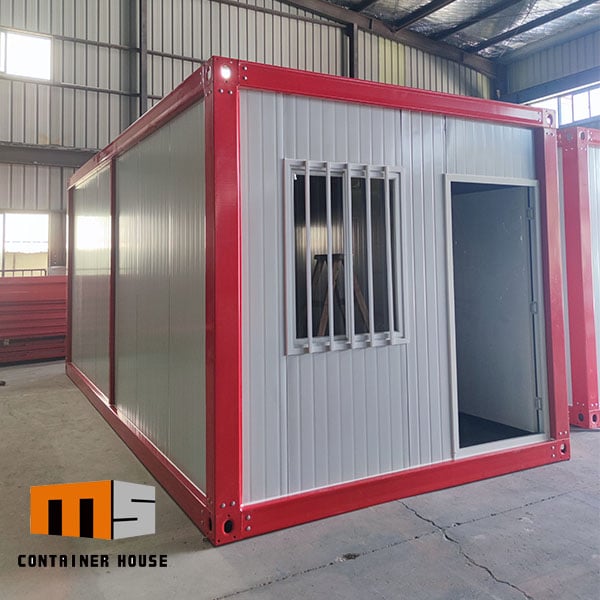
Modern prefab house construction has revolutionized the way we think about home building, offering innovative solutions that combine efficiency, sustainability, and stunning design aesthetics. These factory-built homes are transforming residential architecture by providing homeowners with faster construction timelines, reduced costs, and exceptional quality control that traditional building methods often struggle to match.
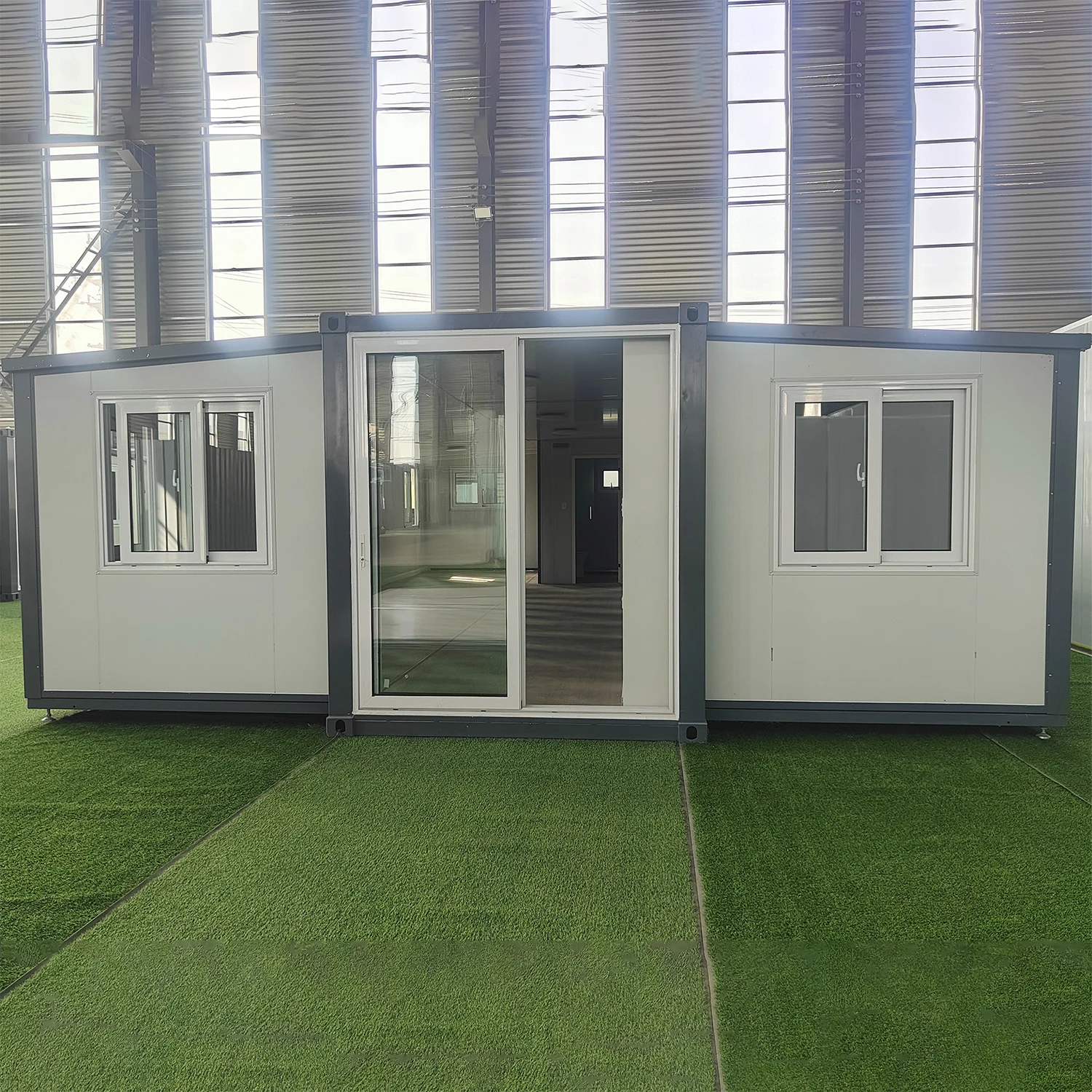
The contemporary prefab house market showcases remarkable diversity in architectural styles, from minimalist container conversions to luxurious multi-story family homes. Each prefab house design represents careful engineering and thoughtful planning, ensuring that every square foot serves a purpose while maintaining the visual appeal that modern homeowners demand.
Today's prefab house options extend far beyond the basic structures of previous decades, incorporating advanced materials, smart home technology, and energy-efficient systems that rival or exceed traditional construction standards. These homes demonstrate that prefabricated construction can deliver both functionality and beauty without compromising on either aspect.
Contemporary Minimalist Prefab House Designs
Sleek Single-Story Layouts
The single-story prefab house design emphasizes clean lines, open floor plans, and seamless indoor-outdoor living experiences. These homes typically feature large windows that flood interior spaces with natural light while maintaining privacy through strategic positioning and landscaping elements.
Contemporary single-story prefab house models often incorporate flat or gently sloped rooflines that create striking silhouettes against the landscape. The exterior materials frequently combine metal siding, wood accents, and glass panels to achieve a sophisticated aesthetic that appeals to design-conscious buyers.
Interior layouts in these prefab house designs prioritize functionality through efficient kitchen placement, integrated storage solutions, and flexible living areas that can adapt to different lifestyle needs. The absence of stairs makes these homes particularly attractive to aging-in-place buyers and families with young children.
Multi-Level Modern Structures
Two and three-story prefab house designs maximize living space on smaller lots while maintaining the construction advantages of factory building. These vertical designs often feature dramatic ceiling heights, mezzanine levels, and creative use of vertical space that would be challenging to achieve with traditional construction methods.
The structural engineering behind multi-level prefab house construction allows for innovative architectural features like cantilevers, large overhangs, and expansive glass walls that create striking visual impact. Advanced connection systems ensure structural integrity while maintaining the speed advantages of prefabricated construction.
Interior design in multi-story prefab house models often incorporates floating staircases, double-height living areas, and carefully planned sight lines that enhance the sense of spaciousness throughout the home.
Sustainable and Eco-Friendly Prefab House Options
Net-Zero Energy Designs
Energy-efficient prefab house designs integrate solar panels, advanced insulation systems, and high-performance windows to achieve net-zero or near net-zero energy consumption. These homes demonstrate that environmental responsibility and modern comfort can coexist seamlessly in prefabricated construction.
The factory-controlled environment of prefab house manufacturing allows for precise installation of energy systems, ensuring optimal performance and eliminating the installation inconsistencies that can plague site-built homes. Quality control measures during production result in superior air sealing and thermal performance.
Smart home integration in eco-friendly prefab house designs includes automated lighting systems, programmable thermostats, and energy monitoring capabilities that help homeowners optimize their environmental impact while reducing utility costs.
Sustainable Material Integration
Modern prefab house construction increasingly emphasizes sustainable materials like reclaimed wood, recycled steel, and low-impact concrete alternatives. These material choices reduce the environmental footprint of construction while often providing superior durability and aesthetic appeal.
The controlled manufacturing environment allows prefab house builders to source materials more efficiently, reduce waste through precise cutting and planning, and implement recycling programs for manufacturing byproducts that would typically end up in landfills.
Water conservation features in sustainable prefab house designs include rainwater collection systems, greywater recycling, and drought-resistant landscaping that reduces ongoing environmental impact while lowering maintenance requirements for homeowners.
Luxury Prefab House Concepts
High-End Finishes and Features
Luxury prefab house designs challenge preconceptions about manufactured homes by incorporating premium materials, custom millwork, and high-end appliances that rival those found in custom-built luxury residences. These homes prove that factory construction can deliver exceptional quality and sophisticated design.
The precision of factory construction actually enhances the installation of luxury features, ensuring that expensive finishes are protected during the building process and installed with greater accuracy than is typically possible with on-site construction methods.
Custom prefab house options allow buyers to specify premium features like stone countertops, hardwood flooring, and designer lighting fixtures while maintaining the time and cost advantages that make prefab house construction attractive to discerning homeowners.
Architectural Innovation
Cutting-edge prefab house designs push the boundaries of what's possible with manufactured construction, incorporating curved walls, complex rooflines, and innovative structural systems that create truly unique architectural statements.
Advanced manufacturing techniques allow prefab house builders to create custom components that would be prohibitively expensive or technically challenging for traditional construction, opening up new possibilities for architectural expression and design innovation.
The integration of smart home technology in luxury prefab house models includes automated systems for lighting, climate control, security, and entertainment that can be pre-installed and tested in the factory environment before delivery to the building site.
Compact and Affordable Prefab House Solutions
Tiny House Innovations
Compact prefab house designs maximize functionality in minimal square footage through clever space-saving solutions, multi-purpose furniture, and innovative storage systems that make small homes feel surprisingly spacious and comfortable.
The precision of prefab house manufacturing is particularly beneficial for tiny homes, where every inch matters and careful planning is essential for creating livable spaces that don't feel cramped or cluttered.
Modern tiny prefab house designs often incorporate outdoor living elements like decks, patios, and covered porches that effectively extend the living space beyond the interior footprint while maintaining the compact building envelope.
Starter Home Designs
Entry-level prefab house options provide first-time buyers with attractive, well-designed homes at accessible price points, proving that affordability doesn't require sacrificing quality or aesthetic appeal in manufactured construction.
The streamlined production process of prefab house manufacturing helps control costs while maintaining consistent quality standards, making homeownership more accessible to buyers who might otherwise struggle to afford site-built alternatives.
Efficient prefab house layouts maximize the perceived size of compact homes through open floor plans, strategic window placement, and design elements that create visual continuity between interior and exterior spaces.
Container and Modular Prefab House Designs
Shipping Container Conversions
Container-based prefab house designs transform industrial shipping containers into modern living spaces, creating affordable housing solutions that appeal to environmentally conscious buyers and those seeking distinctive architectural character.
The structural strength of shipping containers provides an excellent foundation for prefab house construction, allowing for creative modifications like large window openings, multi-container configurations, and stacking arrangements that create unique architectural forms.
Modern container prefab house designs address the challenges of container living through proper insulation, ventilation systems, and interior finishing that create comfortable living environments while preserving the industrial aesthetic that makes these homes distinctive.
Modular System Integration
Modular prefab house systems allow homeowners to start with basic configurations and expand their homes over time by adding compatible modules, providing flexibility for growing families or changing lifestyle needs.
The standardized connections and interfaces in modular prefab house designs ensure that future additions integrate seamlessly with existing structures, maintaining architectural continuity while providing practical expansion options.
Advanced modular prefab house concepts include specialized modules for different functions, such as bedroom wings, entertainment spaces, or home office additions that can be configured in multiple arrangements to suit individual preferences and site constraints.
Smart Technology Integration in Prefab House Design
Home Automation Systems
Modern prefab house designs increasingly incorporate comprehensive home automation systems that control lighting, climate, security, and entertainment through integrated smart home platforms that enhance convenience and energy efficiency.
The controlled manufacturing environment allows prefab house builders to pre-install and test smart home systems before delivery, ensuring proper integration and functionality that might be more challenging to achieve with retrofitted systems in traditional homes.
Voice-controlled interfaces and smartphone apps in smart prefab house designs provide intuitive control over home systems while collecting data that helps homeowners optimize their energy usage and maintenance schedules.
Energy Management Technology
Advanced energy management systems in prefab house designs monitor and control electrical loads, solar panel output, and battery storage systems to maximize energy efficiency and minimize utility costs for homeowners.
Real-time energy monitoring capabilities allow prefab house owners to track their consumption patterns, identify opportunities for efficiency improvements, and make informed decisions about their energy usage and environmental impact.
Integration with utility grid systems enables prefab house energy management systems to participate in demand response programs and sell excess solar production back to the grid, potentially generating revenue for homeowners.
Customization and Personalization Options
Exterior Design Flexibility
Contemporary prefab house manufacturers offer extensive customization options for exterior finishes, allowing homeowners to choose from various siding materials, color schemes, and architectural details that reflect personal style preferences.
The factory production environment enables precise application of custom exterior features, ensuring consistent quality and weather resistance that might be more difficult to achieve with site-applied finishes in traditional construction.
Regional adaptation capabilities allow prefab house designs to incorporate local architectural elements and materials that help manufactured homes blend seamlessly with existing neighborhood character and building traditions.
Interior Layout Adaptability
Flexible interior design options in prefab house construction include moveable partition walls, convertible spaces, and adaptable room configurations that allow homeowners to modify their living spaces as their needs change over time.
The precision of prefab house manufacturing enables accurate installation of custom built-in furniture, storage solutions, and architectural features that maximize space utilization while reflecting individual lifestyle requirements.
Universal design principles integrated into prefab house layouts ensure accessibility for residents with varying mobility needs while maintaining attractive aesthetics that don't compromise the home's visual appeal.
FAQ
How long does it take to build a prefab house compared to traditional construction
A typical prefab house can be manufactured in 4-12 weeks and assembled on-site within days or weeks, significantly faster than traditional construction which often takes 6-12 months. The controlled factory environment eliminates weather delays and allows multiple construction phases to occur simultaneously, dramatically reducing overall project timelines while maintaining superior quality control throughout the building process.
What are the main cost advantages of choosing a prefab house over site-built construction
Prefab house construction typically costs 10-25% less than comparable site-built homes due to factory efficiencies, bulk material purchasing, reduced labor costs, and eliminated weather delays. Additional savings come from shorter construction loans, reduced site supervision requirements, and the precision manufacturing that minimizes material waste and construction errors that often increase costs in traditional building projects.
Can prefab house designs be customized to match local building codes and climate requirements
Yes, reputable prefab house manufacturers design their homes to meet or exceed local building codes and can adapt designs for various climate zones, seismic requirements, and regional preferences. The factory-controlled environment actually enables more precise compliance with building standards and allows for specialized features like enhanced insulation, hurricane-resistant construction, or earthquake-resilient structural systems that ensure optimal performance in specific geographic areas.
What financing options are available for prefab house purchases
Most prefab house buyers can qualify for traditional mortgage financing, including conventional loans, FHA loans, and VA loans, provided the home meets permanent foundation requirements and local building codes. Many manufacturers also offer specialized financing programs or partnerships with lenders familiar with prefab house construction, and the shorter construction timeline often results in reduced construction loan costs compared to traditional building projects.
Table of Contents
- Contemporary Minimalist Prefab House Designs
- Sustainable and Eco-Friendly Prefab House Options
- Luxury Prefab House Concepts
- Compact and Affordable Prefab House Solutions
- Container and Modular Prefab House Designs
- Smart Technology Integration in Prefab House Design
- Customization and Personalization Options
-
FAQ
- How long does it take to build a prefab house compared to traditional construction
- What are the main cost advantages of choosing a prefab house over site-built construction
- Can prefab house designs be customized to match local building codes and climate requirements
- What financing options are available for prefab house purchases