 EN
EN
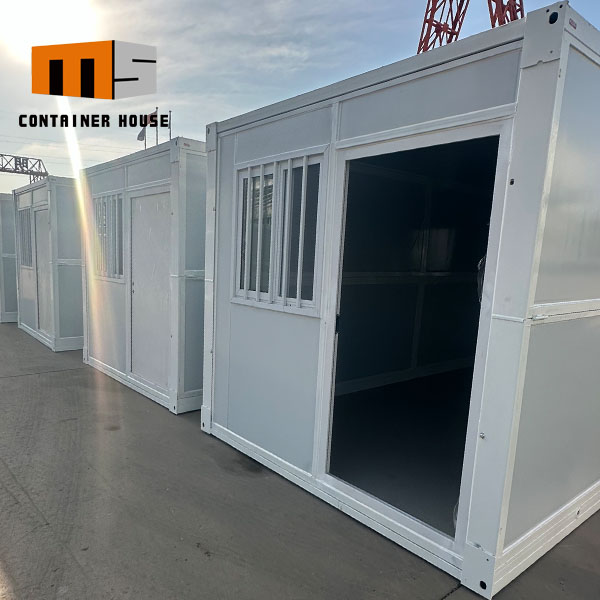
The contemporary housing landscape is witnessing a revolutionary shift toward mobility and flexibility, with the mobile house concept emerging as a compelling solution for modern living challenges. These innovative dwellings combine the comfort of traditional homes with the freedom of relocation, catering to professionals, digital nomads, and families seeking adaptable living arrangements. The mobile house market has expanded significantly, offering diverse designs that prioritize sustainability, efficiency, and aesthetic appeal while maintaining full functionality.
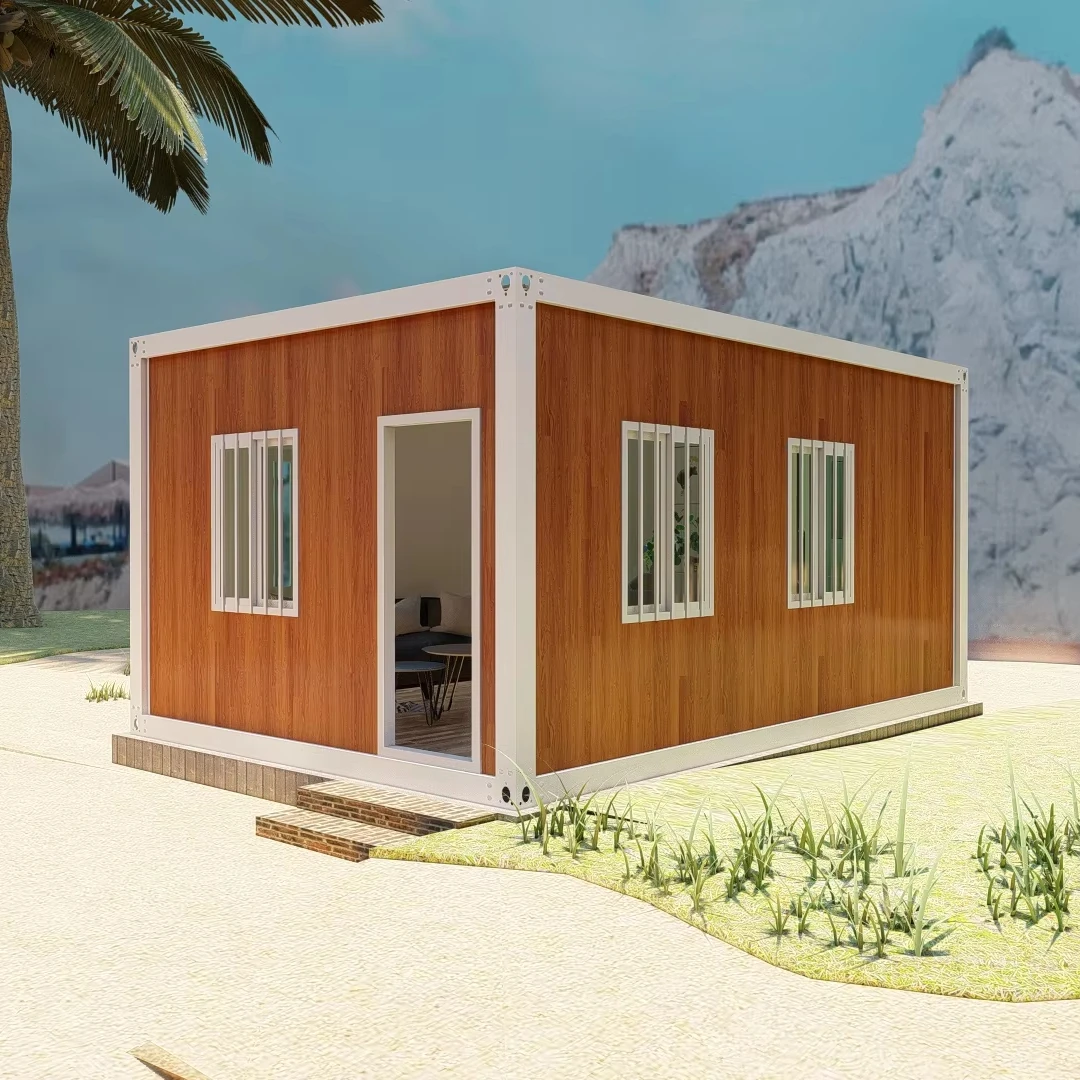
Modern mobile house designs integrate cutting-edge technology with space optimization techniques, creating living environments that maximize every square foot. These structures represent a paradigm shift in residential architecture, where mobility doesn't compromise quality or comfort. The evolution of mobile house construction has embraced advanced materials, smart home integration, and energy-efficient systems that rival traditional residential properties.
Contemporary Minimalist Mobile House Designs
Scandinavian-Inspired Mobile Houses
The Scandinavian design philosophy translates beautifully into mobile house architecture, emphasizing clean lines, natural materials, and abundant natural light. These mobile house designs typically feature white or light wood exteriors with large windows that create an airy, spacious feeling despite compact dimensions. Interior layouts prioritize functionality with built-in storage solutions, multipurpose furniture, and neutral color palettes that enhance the sense of space.
Key characteristics include exposed ceiling beams, hardwood flooring, and strategic use of glass to blur indoor-outdoor boundaries. The mobile house construction incorporates sustainable materials like reclaimed wood and energy-efficient insulation systems. These designs often feature fold-out decks or patios that extend living space when stationary, making them ideal for both temporary and permanent placement.
Industrial Modern Mobile House Concepts
Industrial design elements bring a sophisticated urban aesthetic to mobile house construction, featuring exposed steel framing, corrugated metal siding, and concrete accents. These mobile house designs appeal to individuals seeking contemporary style with a robust, masculine edge. The industrial mobile house typically incorporates large sliding doors, floor-to-ceiling windows, and open-concept interiors that maximize spatial flow.
Materials selection emphasizes durability and low maintenance, with powder-coated steel frames, weatherproof cladding, and commercial-grade fixtures. The mobile house interior often features polished concrete floors, exposed ductwork, and minimalist cabinetry that maintains the industrial theme while ensuring practical functionality. These designs frequently incorporate smart home technology and energy management systems.
Luxury Mobile House Configurations
Executive Mobile Office Houses
The rise of remote work has created demand for luxury mobile house designs that serve as sophisticated home offices. These structures combine residential comfort with professional functionality, featuring dedicated workspace areas, high-speed internet infrastructure, and premium finishes. The executive mobile house typically includes separate zones for work, relaxation, and basic living needs, maintaining work-life balance even in compact spaces.
Advanced features include climate control systems, soundproofing for video conferences, built-in storage for office equipment, and ergonomic workspace design. The mobile house exterior often projects a professional image with contemporary materials and landscaping elements that enhance curb appeal. Many designs incorporate outdoor workspace options like covered terraces or retractable awnings for weather-protected outdoor meetings.
Resort-Style Mobile Houses
Luxury resort-inspired mobile house designs bring vacation home aesthetics into portable form, featuring premium materials, spa-like bathrooms, and entertainment-focused layouts. These mobile house concepts often include features like rooftop decks, outdoor kitchens, and panoramic windows that showcase surrounding landscapes. The interior design emphasizes relaxation and luxury with high-end appliances, custom millwork, and resort-quality finishes.
Construction standards match traditional luxury homes, with superior insulation, premium HVAC systems, and smart home integration. The mobile house design often incorporates outdoor living spaces that can be enclosed or opened depending on weather conditions, creating versatile entertainment areas that adapt to different seasons and locations.
Sustainable and Eco-Friendly Mobile House Solutions
Solar-Powered Mobile House Systems
Environmental consciousness drives innovation in sustainable mobile house design, with solar power systems becoming standard features rather than optional upgrades. These mobile house configurations integrate photovoltaic panels seamlessly into roof design, often achieving net-zero energy consumption through efficient systems and battery storage solutions.
Advanced energy management systems monitor consumption patterns and optimize power usage throughout the mobile house infrastructure. Many designs incorporate backup generators for extended off-grid capability, making these structures completely self-sufficient for extended periods. The sustainable mobile house often features LED lighting, energy-star appliances, and smart thermostats that minimize environmental impact while maintaining comfort.
Green Building Materials and Construction
Sustainable mobile house construction emphasizes recycled materials, low-impact manufacturing processes, and end-of-life recyclability. Innovative materials include bamboo flooring, recycled steel framing, and bio-based insulation that reduce environmental footprint without compromising structural integrity. The mobile house design process considers entire lifecycle impacts, from manufacturing through disposal or repurposing.
Water conservation features include rainwater collection systems, greywater recycling, and low-flow fixtures that minimize resource consumption. Many sustainable mobile house designs incorporate living walls or green roofs that provide natural insulation, improve air quality, and create connection with nature even in urban environments.
Family-Oriented Mobile House Designs
Multi-Bedroom Mobile House Layouts
Family-focused mobile house designs challenge traditional assumptions about space limitations, creating comfortable multi-bedroom layouts through innovative design techniques. These structures often feature bunk bed configurations, convertible spaces, and creative storage solutions that accommodate children while maintaining adult living areas. The mobile house floor plan typically includes designated homework areas, toy storage, and safety features appropriate for various age groups.
Privacy considerations drive design decisions in family mobile house configurations, with sound dampening materials, separate sleeping zones, and flexible room dividers that adapt to changing family needs. Many designs incorporate outdoor play areas or covered porches that extend usable family space beyond interior boundaries.
Educational and Learning Spaces
Modern mobile house designs increasingly incorporate dedicated learning environments, reflecting the growing trend of homeschooling and remote education. These spaces feature proper lighting for reading and studying, built-in desks, and technology infrastructure to support digital learning platforms. The mobile house interior often includes library areas, science experiment zones, and art creation spaces that foster educational development.
Flexibility remains paramount in educational mobile house design, with furniture and fixtures that adapt to different learning activities and age groups. Many designs incorporate outdoor classroom spaces that take advantage of natural settings for environmental education and physical activities.
Specialized Mobile House Applications
Medical and Healthcare Mobile Houses
Healthcare applications drive specialized mobile house development, creating portable medical facilities that bring services to underserved areas. These mobile house designs incorporate medical equipment mounting systems, sterilization capabilities, and patient privacy features while maintaining mobility for deployment flexibility. Advanced HVAC systems ensure proper air quality and temperature control for medical procedures and equipment storage.
Regulatory compliance shapes medical mobile house construction, with adherence to healthcare facility standards for accessibility, safety, and infection control. Many designs feature separate entrance and exit points, waiting areas, and consultation spaces that replicate traditional medical office functionality in portable form.
Emergency Response Mobile Houses
Disaster response and emergency management increasingly rely on mobile house solutions for temporary housing, command centers, and support facilities. These specialized mobile house designs prioritize rapid deployment, self-sufficiency, and durability under adverse conditions. Construction emphasizes weather resistance, structural stability, and independence from local utilities through integrated power, water, and waste management systems.
Communication infrastructure becomes critical in emergency mobile house applications, with satellite connectivity, radio equipment, and coordination technology built into the structure. Many designs feature expandable configurations that create larger facilities by connecting multiple mobile house units as situation demands require.
Technology Integration in Mobile House Design
Smart Home Systems and Automation
Contemporary mobile house designs extensively integrate smart home technology, creating connected living environments that optimize comfort, security, and energy efficiency. Automated systems control lighting, climate, security, and entertainment through centralized interfaces accessible via smartphone applications. The mobile house infrastructure supports high-speed internet connectivity essential for remote work and digital lifestyle requirements.
Advanced mobile house designs incorporate artificial intelligence systems that learn occupant preferences and automatically adjust environmental controls for optimal comfort and efficiency. Integration extends to maintenance monitoring, with sensors that track system performance and alert owners to potential issues before they become problems.
Security and Monitoring Technology
Security considerations drive technology integration in mobile house design, with comprehensive monitoring systems that protect both occupied and unoccupied structures. Advanced features include motion detection, door and window sensors, and video surveillance systems accessible remotely through mobile applications. The mobile house security system often integrates with local emergency services and security companies for professional monitoring.
GPS tracking and anti-theft systems become essential for mobile house protection during transport and storage. Many designs incorporate hidden kill switches, alarm systems, and recovery assistance features that deter theft and aid in recovery if unauthorized movement occurs.
Construction and Manufacturing Innovations
Modular Construction Techniques
Modern mobile house manufacturing embraces modular construction techniques that improve quality control, reduce costs, and accelerate production timelines. Factory-built components ensure consistent quality while weather-protected construction environments eliminate delays and material damage common in traditional site-built construction. The mobile house assembly process often incorporates standardized connections and components that facilitate maintenance and future modifications.
Quality control advantages of factory construction include precise measurements, controlled material conditions, and systematic inspection processes that exceed typical site construction standards. Many mobile house manufacturers implement lean production techniques that minimize waste and optimize efficiency throughout the construction process.
Advanced Materials and Engineering
Engineering innovations continually advance mobile house construction through new materials and structural techniques that reduce weight while increasing strength and durability. Composite materials, advanced steel alloys, and engineered wood products enable larger spans and more open interior layouts than traditional construction methods. The mobile house structure often incorporates computer-aided design optimization that maximizes strength-to-weight ratios.
Thermal performance improvements through advanced insulation materials and construction techniques create mobile house designs that exceed traditional building energy efficiency standards. Many manufacturers implement continuous improvement programs that integrate new materials and techniques as they become available and proven.
FAQ
What are the main advantages of choosing a mobile house over traditional housing
Mobile house designs offer significant advantages including location flexibility, reduced property taxes, lower utility costs, and simplified maintenance requirements. The ability to relocate your home provides unprecedented freedom for lifestyle changes, job relocations, or seasonal preferences. Additionally, mobile house construction typically costs less than traditional building while offering comparable comfort and functionality. Many owners appreciate the minimalist lifestyle that mobile house living encourages, reducing possessions and focusing on experiences rather than accumulation.
How do mobile house designs address weather resistance and structural integrity
Modern mobile house construction incorporates advanced engineering techniques and materials that meet or exceed traditional building codes for weather resistance. Structural systems use engineered connections, reinforced framing, and impact-resistant materials designed for transport stresses and environmental exposure. Many mobile house designs undergo extensive testing for wind loads, seismic activity, and temperature extremes. Advanced anchoring systems and foundation options provide stability equivalent to permanent structures when properly installed.
What financing options are available for mobile house purchases
Mobile house financing includes specialized RV loans, personal loans, and some conventional mortgages depending on foundation type and local regulations. Many lenders offer competitive rates for mobile house purchases, particularly for high-quality units that maintain value well. Buyers can explore manufacturer financing programs, credit union options, and alternative lending sources that understand mobile house market dynamics. Down payment requirements and terms vary significantly, making it important to compare multiple financing sources before making purchase decisions.
How do zoning laws and regulations affect mobile house placement
Mobile house placement regulations vary significantly by location, with some areas embracing alternative housing while others maintain restrictive zoning requirements. Many jurisdictions classify mobile house units differently based on size, foundation type, and intended use duration. Prospective owners should research local zoning ordinances, building codes, and homeowners association rules before selecting placement locations. Some areas offer designated mobile house communities or tiny house villages that provide compliant placement options with shared amenities and services.